


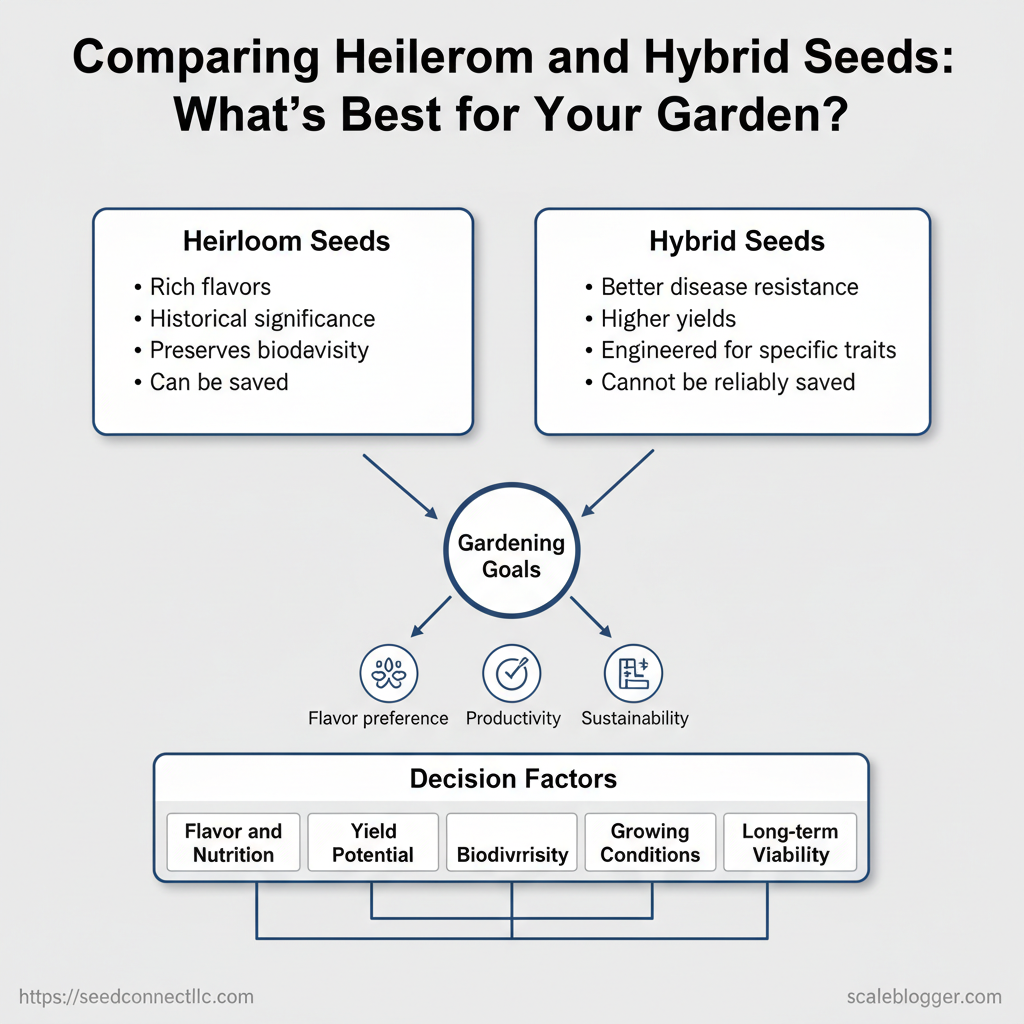
When deciding between heirloom and hybrid seeds, it’s essential to understand that each option has distinct advantages for your garden. Heirloom seeds offer rich flavors and historical significance, while hybrid seeds may provide better disease resistance and higher yields. The choice ultimately depends on your gardening goals, such as flavor preference or productivity.
This decision matters greatly; it affects not only the success of your garden but also the biodiversity and sustainability of your planting choices. For instance, researching specific heirloom varieties can reveal their unique benefits, such as drought tolerance or taste, which can significantly improve your gardening outcomes.
Here are some key takeaways to guide your decision-making process:
- Flavor and Nutrition: Heirloom seeds often provide superior taste and nutritional value.
- Yield Potential: Hybrid seeds are engineered for higher yields and disease resistance.
- Biodiversity: Choosing heirloom seeds helps preserve plant diversity and traditional farming practices.
- Growing Conditions: Consider your local climate and soil conditions when selecting seeds.
- Long-term Viability: Heirloom seeds can be saved and replanted, while hybrids may not produce true-to-type offspring.
> [!TIP] Before making your choice, assess what you value most in your garden: flavor, yield, or sustainability.
Ready to dive deeper? Explore our seed collection to find the perfect fit for your garden!
Table of Contents
- What Are Heirloom Seeds?
- Section Content
- What Are Hybrid Seeds?
- Key Differences Between Heirloom and Hybrid Seeds
- Which Seeds Should You Choose for Your Garden?
What Are Heirloom Seeds?
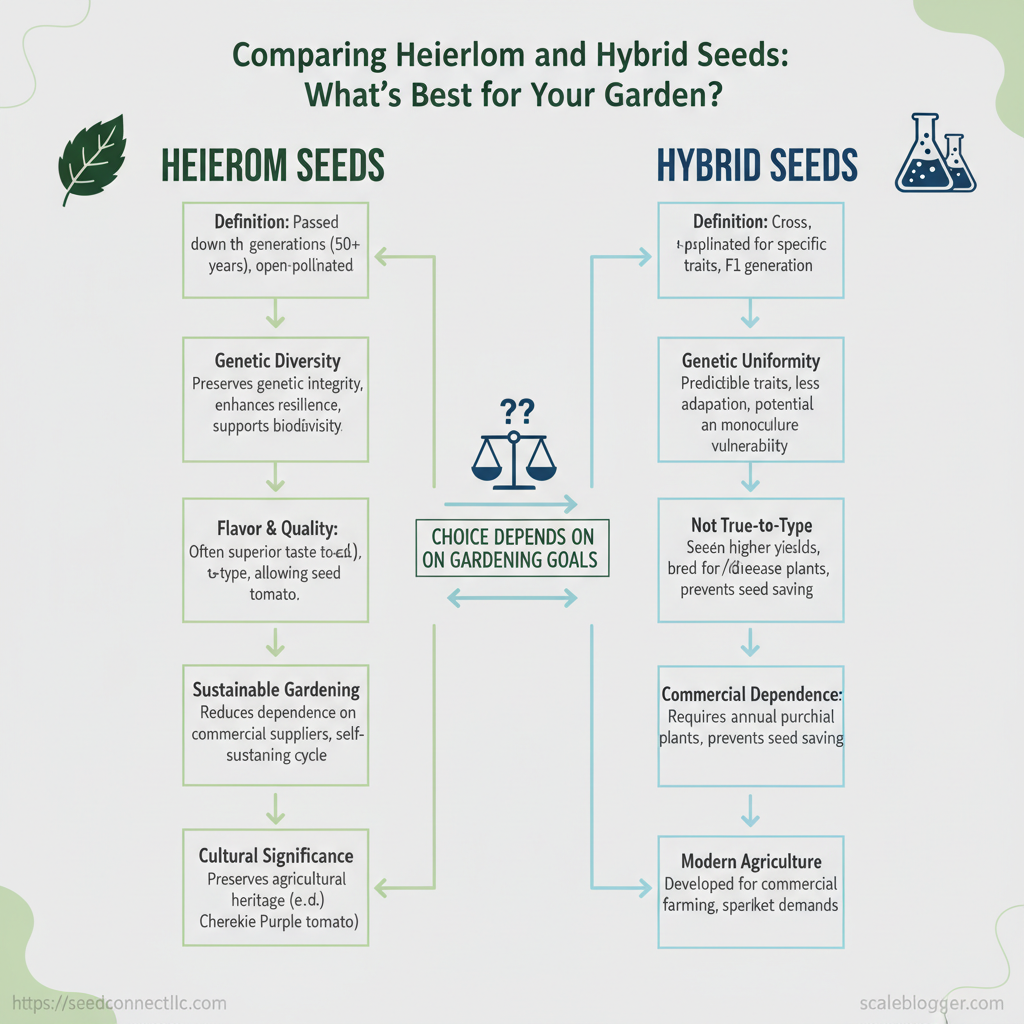
Heirloom seeds are defined as seeds that have been passed down through generations, often for at least 50 years. They are typically open-pollinated, meaning they are pollinated naturally by insects, birds, or the wind, which preserves their genetic integrity. These seeds are not hybrid varieties, allowing gardeners to save seeds from their plants and grow the same variety year after year. The significance of heirloom seeds lies in their rich genetic diversity, superior flavor, and the cultural heritage they embody, making them a valuable asset to sustainable gardening practices.
Characteristics of Heirloom Seeds
Heirloom seeds possess several distinct characteristics that set them apart from conventional seeds:
- Open-Pollinated: These seeds can reproduce themselves in subsequent generations, maintaining the same traits as the parent plant. This is crucial for gardeners who wish to save seeds for future planting.
- Genetic Diversity: Heirloom varieties contribute to biodiversity in gardens. This genetic variation enhances resilience against pests and diseases, making gardens more sustainable.
Flavor and Quality: Many heirloom varieties are known for their exceptional taste and quality. For instance, the Brandywine tomato* is celebrated for its sweet flavor, which is often preferred over commercial hybrids.
> Studies suggest that heirloom varieties often have a richer flavor profile compared to their hybrid counterparts, making them a favorite among chefs and home cooks alike.
Benefits of Using Heirloom Seeds
Utilizing heirloom seeds offers numerous benefits for gardeners, the environment, and communities:
- Sustainable Gardening: By choosing heirloom seeds, gardeners can create a self-sustaining cycle. Saving seeds from year to year reduces dependence on commercial seed suppliers.
- Support for Local Ecosystems: Heirloom varieties are often better adapted to local growing conditions, supporting local ecosystems and wildlife. Planting them encourages biodiversity in your garden.
- Cultural Significance: Many heirloom seeds carry historical stories and cultural significance, preserving agricultural heritage. For example, the Cherokee Purple tomato is not only a flavorful variety but also a part of Native American history.
Conclusion
Embracing heirloom seeds allows gardeners to contribute to sustainability, preserve biodiversity, and enjoy the unique flavors that these seeds offer. By choosing heirloom varieties, you support a rich agricultural tradition while enhancing the quality of your garden produce.
> [!TIP] Consider joining local seed exchanges to share and acquire heirloom seeds, fostering community and preserving genetic diversity.
What Are Hybrid Seeds?
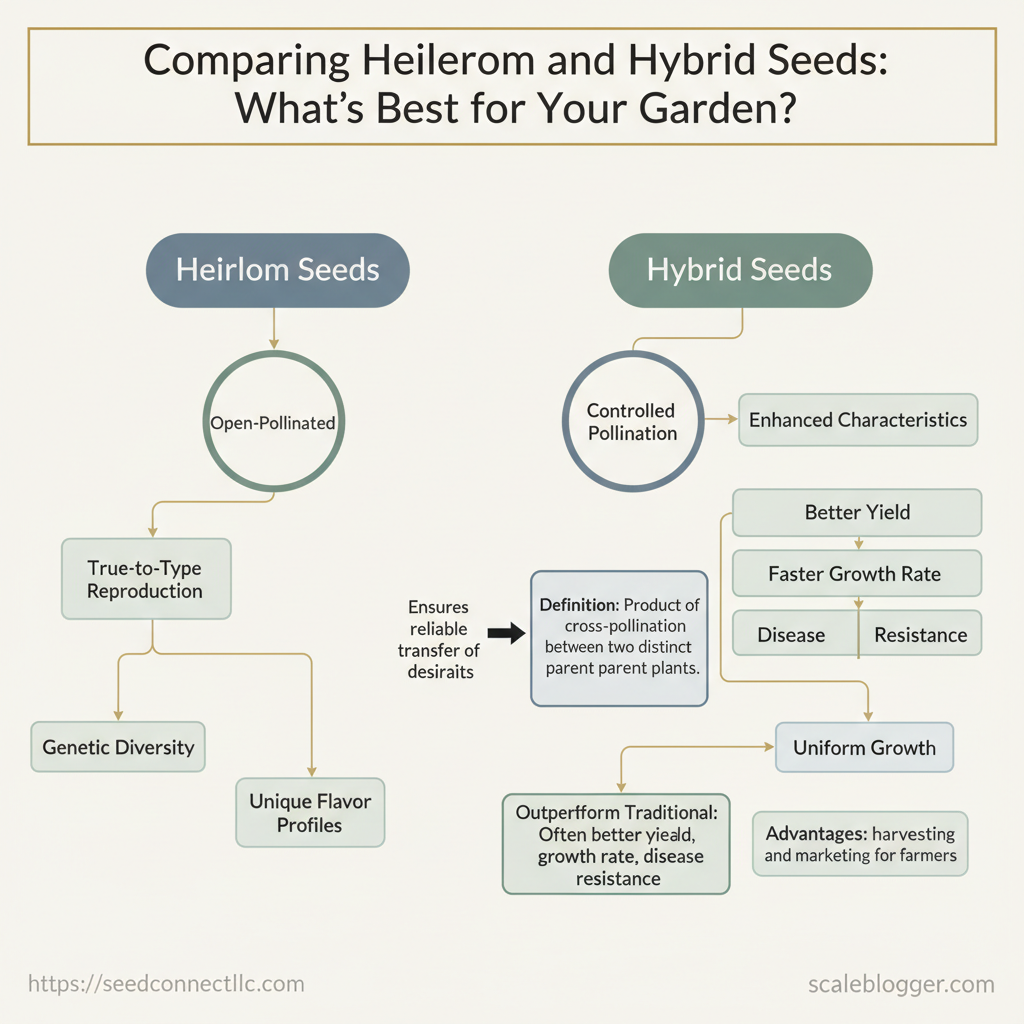
Hybrid seeds are the product of cross-pollination between two genetically distinct parent plants. This method of breeding aims to combine specific traits from each parent, resulting in seeds that exhibit enhanced characteristics. The key takeaway is that hybrid seeds often outperform traditional seeds in terms of yield, growth rate, and disease resistance.
Hybrid seeds showcase a range of characteristics that make them appealing to farmers and gardeners alike:
- Controlled Pollination: Hybrid seeds are produced through controlled pollination, ensuring that the desired traits from both parent plants are reliably passed on to the offspring. This method reduces the risk of genetic variability often seen in open-pollinated seeds.
- Uniform Growth: Plants grown from hybrid seeds typically exhibit uniformity in size, shape, and maturity. This consistency is advantageous for farmers, as it simplifies harvesting and marketing.
- Higher Yield Potential: Hybrid varieties are often bred specifically for higher productivity, leading to greater harvests compared to traditional seed options. Studies have shown that hybrid corn, for example, can yield 20-30% more than its open-pollinated counterparts.
The benefits of using hybrid seeds extend beyond just improved yield:
- Disease Resistance: Many hybrid seeds are bred for enhanced resistance to common plant diseases and pests. For instance, hybrid tomatoes may be engineered to withstand blight, reducing crop loss and minimizing the need for chemical treatments.
- Adaptability to Conditions: Hybrid seeds can be tailored to thrive in specific environmental conditions, such as drought or extreme temperatures. This adaptability is crucial for farmers facing climate variability, allowing them to maintain productivity under challenging circumstances.
- Faster Growth Rates: Hybrid plants often mature more quickly than traditional varieties. This early maturity can result in earlier harvests, enabling farmers to capitalize on market opportunities or plant subsequent crops within the same growing season.
> Studies indicate that utilizing hybrid seeds can lead to a substantial increase in agricultural productivity, particularly in developing regions where food security is a pressing issue.
In summary, hybrid seeds are a valuable resource for modern agriculture, offering controlled growth, increased yields, and adaptability to varying conditions. The combination of these characteristics not only enhances the efficiency of farming practices but also supports the ever-growing global food demand.
Key Differences Between Heirloom and Hybrid Seeds
Understanding the key differences between heirloom and hybrid seeds is essential for gardeners and farmers looking to optimize their crop choices. Heirloom seeds are open-pollinated varieties that have been passed down for generations, known for their genetic diversity and unique flavors. Conversely, hybrid seeds are produced through controlled pollination techniques to create specific traits, often resulting in more uniform crops with predictable growth patterns.
The primary distinctions lie in their genetic stability, biodiversity, and taste quality. Heirloom seeds offer a wide range of flavors and nutrients, appealing to consumers who value taste and quality. Hybrid seeds, while generally more resistant to diseases and adverse conditions, may lack the depth of flavor found in their heirloom counterparts.
Genetic Diversity vs. Uniformity
- Genetic Stability: Heirloom seeds maintain genetic diversity, which can lead to resilience against pests and diseases. This stability is crucial for sustainable farming practices.
- Impact on Biodiversity: Heirloom varieties contribute to agricultural biodiversity, preserving unique traits that can be beneficial in changing climates.
- Growth Consistency: Hybrid seeds provide uniformity in growth and yield, making them appealing for commercial farming. However, this uniformity can limit genetic variation, which is vital for long-term sustainability.
> Studies indicate that crops derived from heirloom seeds can adapt better to environmental changes due to their diverse genetics, whereas hybrid seeds may require more inputs to thrive.
Taste and Quality Comparison
- Flavor Profiles: Heirloom vegetables are often celebrated for their rich, complex flavors. For example, heirloom tomatoes can have a variety of tastes, ranging from sweet to tangy, which many chefs prefer for gourmet dishes.
- Nutritional Value: Research suggests that heirloom varieties may offer higher nutritional benefits; for instance, heirloom carrots often have higher levels of antioxidants compared to hybrids.
- Market Preferences: Consumers increasingly favor heirloom produce for its taste and the story behind it, leading to higher prices at farmers’ markets compared to hybrid varieties.
> Industry research indicates that the demand for heirloom produce has grown significantly, with many consumers willing to pay a premium for the authenticity and flavor that these varieties provide.
Takeaway
In summary, while heirloom seeds offer diversity and superior flavor, hybrid seeds provide consistency and resilience. Choosing between them depends on the specific goals of the gardener or farmer, whether that’s to cultivate unique flavors or achieve reliable yields.
Which Seeds Should You Choose for Your Garden?
Selecting the right seeds for your garden is crucial to achieving a flourishing and productive growing season. Climate suitability, gardening goals, and local conditions are all significant factors to consider when making your choices. By aligning your seed selection with your unique gardening environment and objectives, you can maximize your chances of success.
Factors to Consider
When choosing seeds, keep the following key factors in mind:
Climate Suitability: Understanding your local climate is essential. For instance, cool-season crops like spinach thrive in temperate conditions, while warm-season crops* such as tomatoes flourish in hotter climates. Research indicates that selecting crops suited to your climate can improve yield by up to 50%.
- Personal Gardening Goals: Are you looking to grow vegetables for your family, or do you want a flower garden for aesthetics? Clarifying your goals can help narrow down your seed options. For example, if you aim for a sustainable garden, consider heirloom varieties that are often more resilient and flavorful.
- Local Gardening Conditions: Take into account soil type, sunlight, and water availability. If your soil is sandy, opt for drought-tolerant varieties like succulents or certain legumes. Similarly, if you have limited sunlight, consider shade-tolerant plants such as leafy greens.
> Studies suggest that properly matching seed varieties to specific local conditions can reduce the need for fertilizers and pesticides significantly.
Personal Experiences and Testimonials
Real-life experiences from seasoned gardeners can provide valuable insights:
- Diverse Gardening Scenarios: A community gardener shared that planting native wildflowers not only beautified their garden but also attracted pollinators, enhancing overall garden health.
- Seasoned Gardener Recommendations: One experienced gardener recommends starting with easy-to-grow seeds like radishes and zucchini for beginners. These crops typically germinate quickly and yield abundantly, providing instant gratification.
- Local Cooperative Insights: Joining a local gardening cooperative can be beneficial. Members often share successful varieties that perform well in your specific region, offering a wealth of tailored advice.
> [!TIP] When in doubt, consult with local nurseries or gardening clubs for seed recommendations that suit your region’s specific climate and soil conditions.
Takeaway
Choosing the right seeds involves understanding your local climate, personal gardening goals, and unique gardening conditions. By leveraging both expert advice and personal experiences, you can cultivate a thriving garden tailored to your needs.
📥 Download: Heirloom vs. Hybrid Seeds Checklist (PDF)
In conclusion, choosing between heirloom and hybrid seeds ultimately hinges on your gardening goals and preferences. Understanding the unique benefits of each option can significantly enhance your garden’s productivity and flavor. For instance, heirloom varieties, such as the ‘Brandywine’ tomato, not only provide a burst of rich taste but also connect you to a lineage of traditional gardening practices. Conversely, hybrid seeds like ‘Early Girl’ can offer higher yields and disease resistance, making them ideal for those seeking efficiency and reliability.
As you embark on your gardening journey, consider what you value most in your plants. Start by experimenting with a mix of both heirloom and hybrid seeds to discover which varieties thrive best in your environment. For more in-depth guidance, check out the Seed Savers Exchange, a valuable resource for heirloom seed information, or explore the USDA’s guide on hybrid seed benefits. By taking these steps, you can cultivate a garden that reflects your personal taste while maximizing productivity. Happy gardening!