

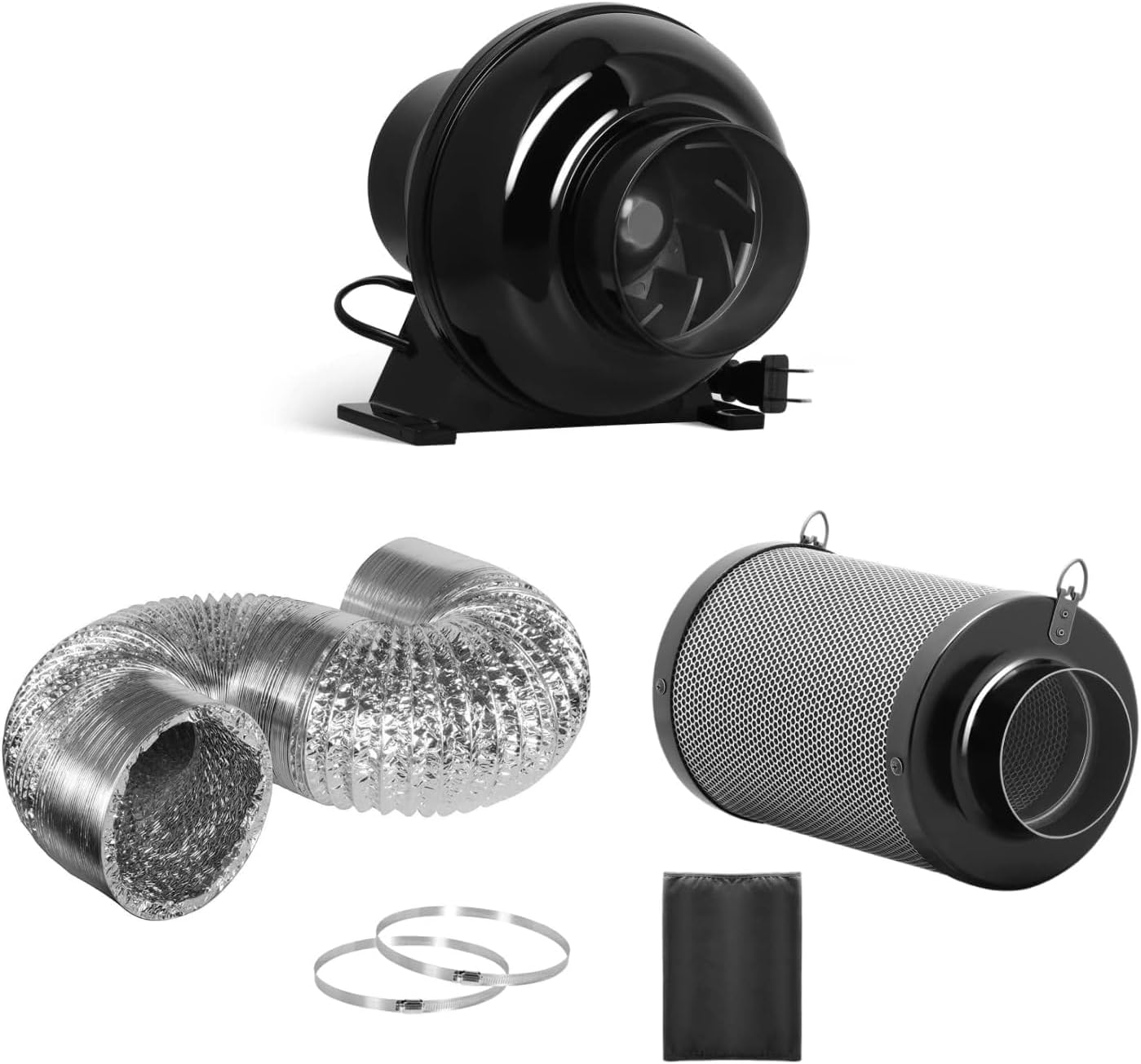
Smell That? Neither Do I.
Before I installed an inline duct fan with a carbon filter, my 4×4 grow tent reeked like a dispensary during harvest week.
But once I set up the AC Infinity CLOUDLINE system, it was like flipping a switch—no more lingering skunk, no more suspicious visitors asking questions.
Clean air, quiet operation, and serious odor control became my new normal.
If you’re growing indoors, managing heat, humidity, and plant odor isn’t optional—it’s essential.
That’s where a quality inline duct fan paired with a carbon filter makes all the difference.
Whether you’re running autos or photo strains, your plants (and your neighbors) will thank you.
Let’s break them down and find the perfect carbon filter fan combo for your next harvest.
My 4×4 Grow Tent Setup: What I Used and Why
When I built out my 4×4 grow tent (4’x4’x6.5′), I quickly learned that ventilation is everything.
With 104 cubic feet of space, I needed a fan that could fully replace the air every minute—so 104 CFM minimum.
But that’s just the starting point.
- Carbon filters reduce airflow by ~25%
- Ducting drops CFM by ~1% per foot
- Each 90° bend can cut up to 30%
- Grow lights = more heat → +10% airflow needed
Add it all up, and a 200+ CFM fan running at lower speeds (instead of maxed out) gave me quieter, more efficient airflow—plus longer fan life.
Why I Went with a 6-Inch Inline Fan + Carbon Filter Combo
Sure, a 4-inch fan could technically work in a 4×4 grow tent—but here’s why I chose a 6-inch setup instead:
- More Power:
A 6-inch fan moves ~402 CFM vs. just 205 CFM for a 4-inch. Once you factor in duct bends, carbon filter drag, and heat from lights, that extra airflow isn’t just helpful—it’s essential. - Quieter Operation:
Bigger fans don’t have to work as hard. I can run the 6-inch fan at a lower speed (around level 5–7), keeping noise way down while still clearing the air. One grower nailed it:
“Efficient and quiet, even with a filter attached.” - Avoids Tent Collapse:
I heard from a grower who maxed their 6-inch fan:
“It sucked the tent walls inward and bent the frame.”
The fix? A variable speed controller to dial in airflow and avoid vacuum-sealing your plants.
AC Infinity vs VIVOSUN vs iPower: Which Inline Fan System Wins?
I tested three top inline duct fan + carbon filter combos for my 4×4 grow tent.
Each one serves a different type of grower.
AC Infinity CLOUDLINE T6 – Best Overall for Quiet, Smart Control
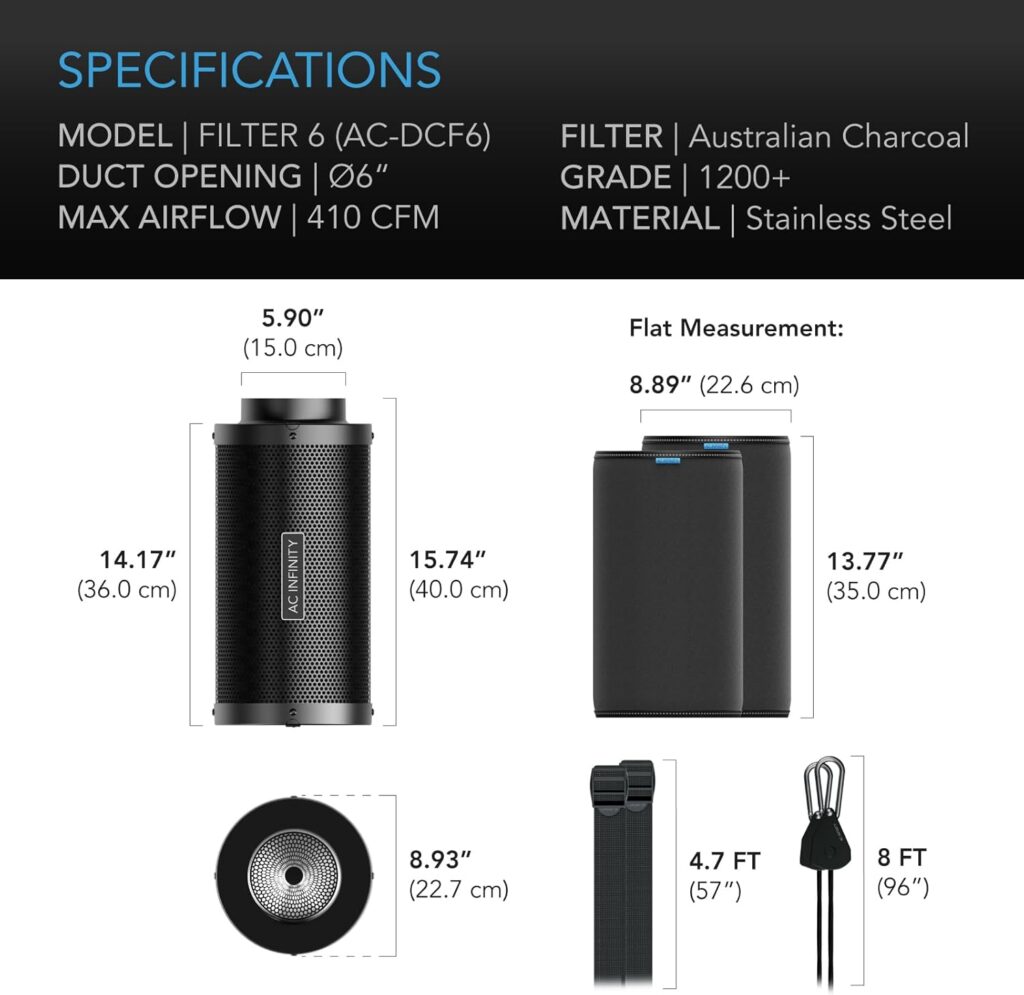
This was the most advanced system I tried.
It runs ultra-quiet, pushes strong airflow (352 CFM), and comes with a digital controller that turns the fan on/off based on temp and humidity.
- Perfect for stealth grows or rooms near living areas
- Premium filter traps odors longer
- Best automation features — ideal if you want “set it and forget it”
VIVOSUN 6″ Fan Combo – Best Value for Mid-Sized Grows
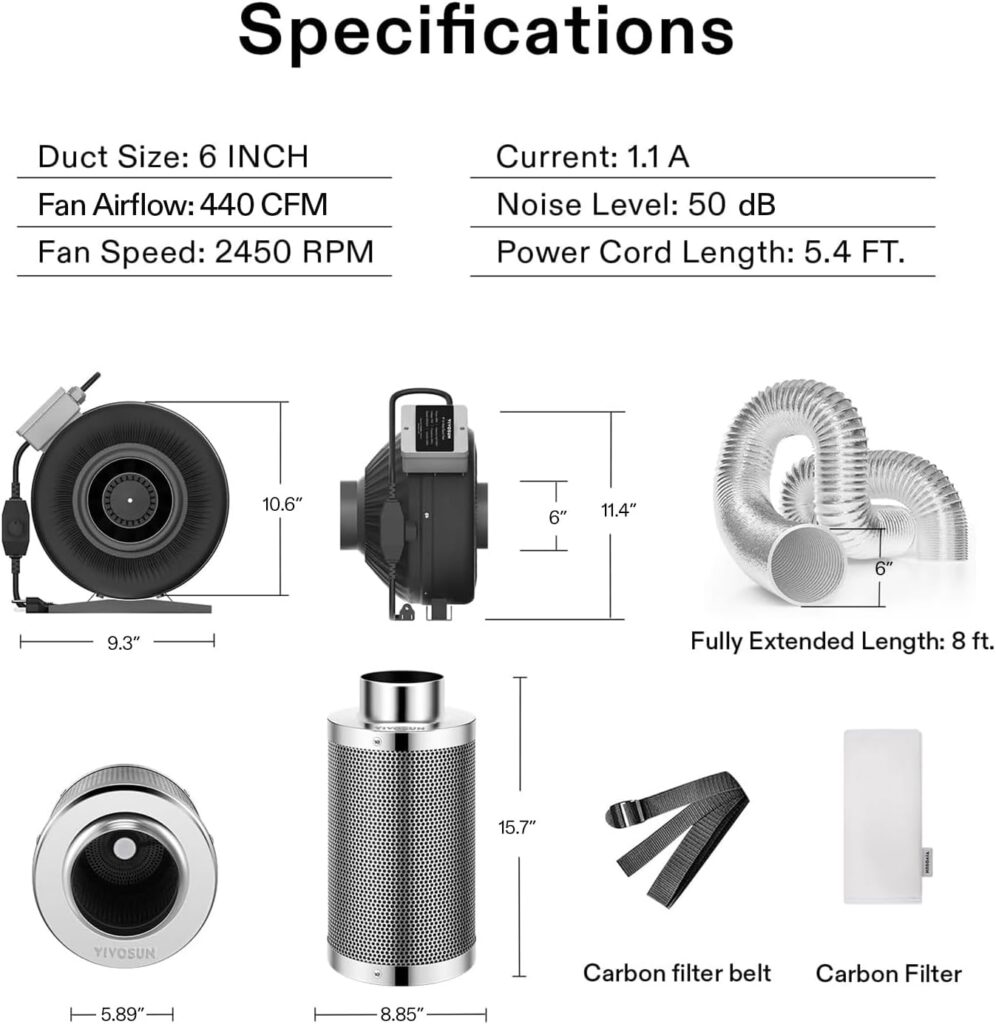
A solid budget-friendly option with decent airflow (~223 CFM) and good carbon filtration.
It’s less powerful but still reliable for a typical 4×4 tent.
- Works well if you already have a controller
- Compatible with other systems like AC Infinity T-series fans
- Good entry-level odor control
iPower Fan Kit – Cheapest, Gets the Job Done
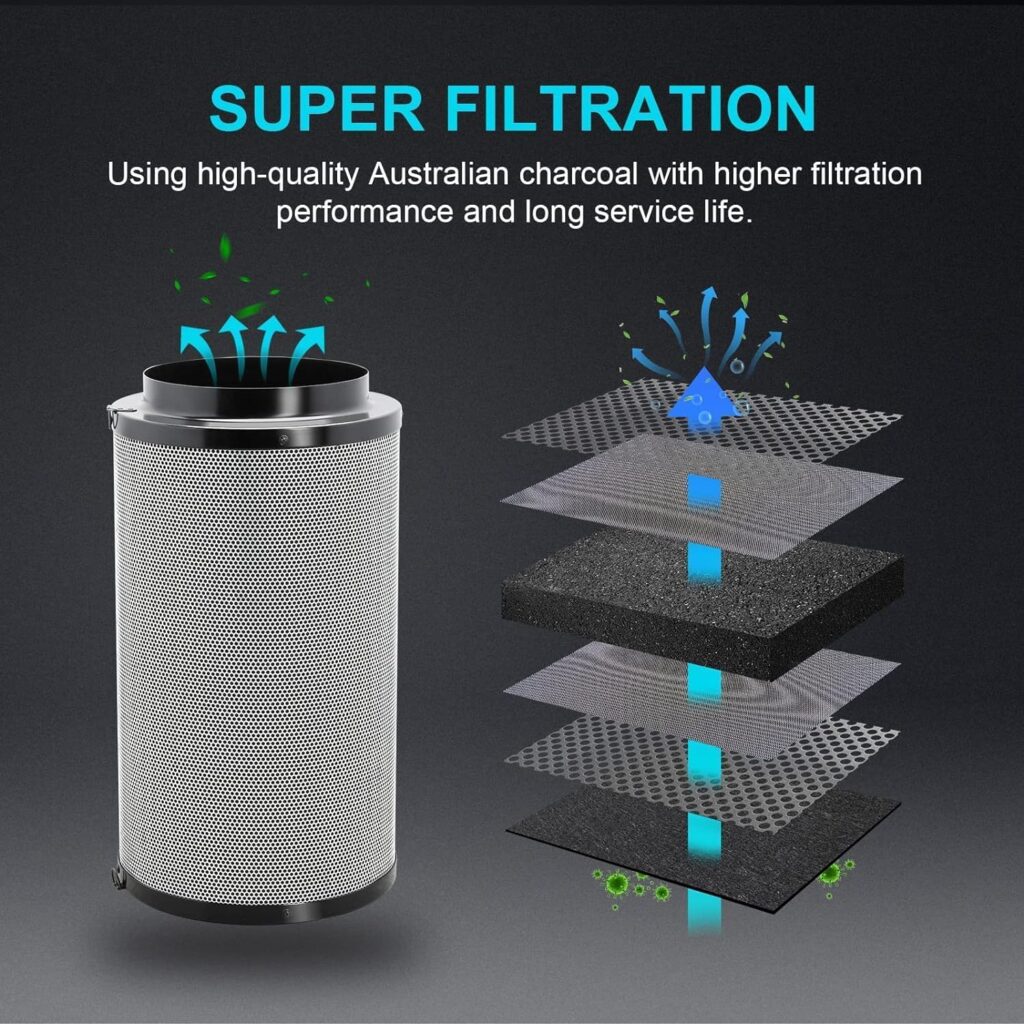
No-frills setup that works for new growers on a tight budget.
Reviews say it handles small tents fine but expect basic performance.
- Good starter option
- Less quiet, limited features
- Use with a timer or manual setup
Bottom Line:
Choose AC Infinity if you want smart automation, quiet running, and long-term reliability.
Go VIVOSUN for solid performance on a budget.
Try iPower if you just need something simple to get started.
Installation Walkthrough: Inline Fan and Carbon Filter Setup
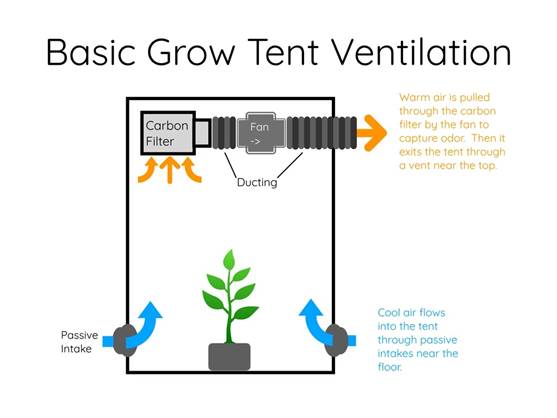
Image Source: GrowersLove.com
After picking the right gear (I went with the AC Infinity 6” system), I learned fast that good setup matters as much as good gear.
My Final Layout:
- Carbon filter hangs near the top of the tent (hot air rises)
- Connected to a 6-inch inline fan
- Exhausts through ducting out the tent port
→ This is called the “pull configuration”—air gets filtered before it hits the fan, which protects the motor and boosts odor control.
How I Set It Up:
- Mounted carbon filter to tent crossbars using straps
- Hung fan with rope ratchets for easy height adjustment
- Connected the fan and filter with a short duct section
- Ran flexible ducting to the exhaust port with minimal bends (better airflow!)
- Used clamps and tape for airtight seals
Wiring Tips:
- Use GFCI outlets (moisture = risk)
- Keep cords off the ground
- Avoid long extension cords—I wired a dedicated outlet
- Add a smoke detector nearby for safety
Why AC Infinity Worked Best for Me:
- Super quiet, even on medium settings
- Digital controller adjusts speed based on heat & humidity
- Premium filter lasts longer and traps more smell
Want quieter fans, better smell control, and smoother airflow? Install it right the first time—and your plants (and nose) will thank you.
Performance Results: How the Best Inline Fans Actually Performed in My 4×4 Grow Tent
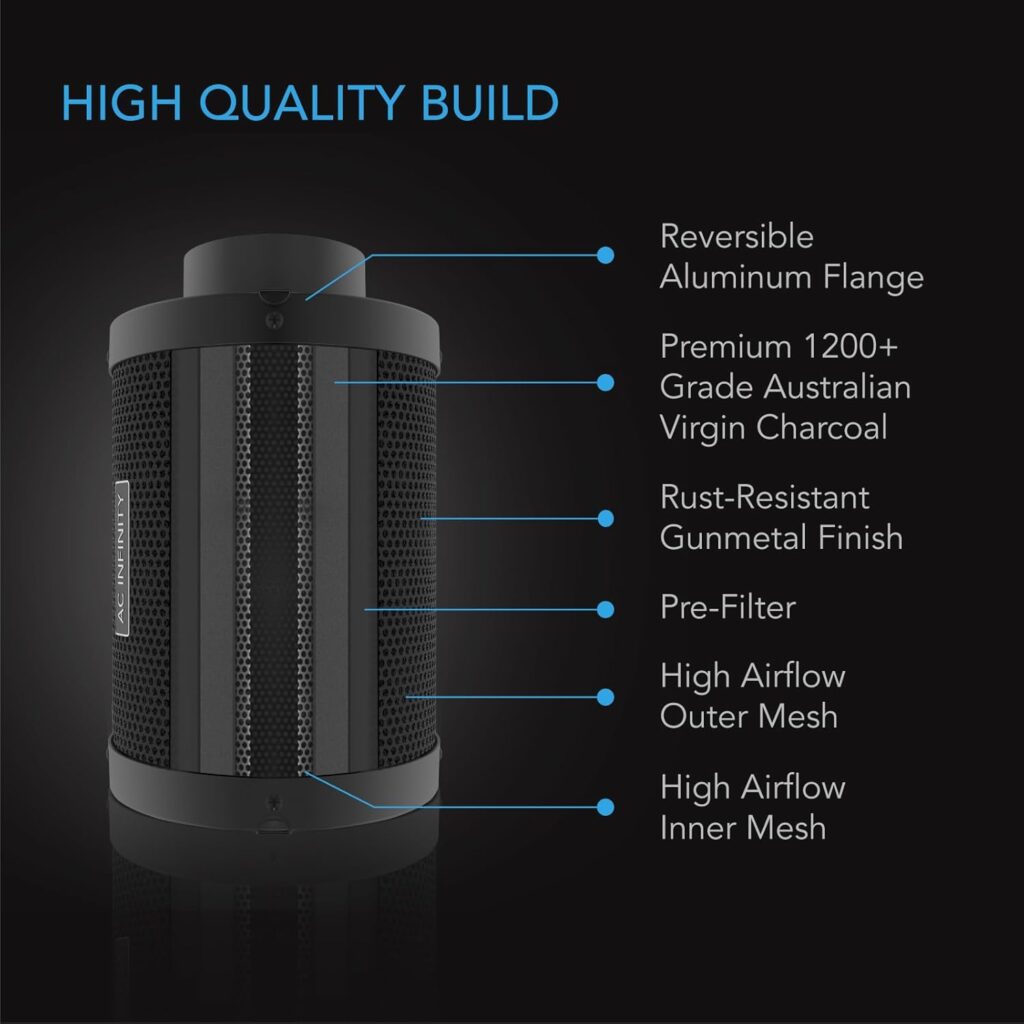
After 30 days of real use, I tested three carbon filter fan combos—AC Infinity, VIVOSUN, and iPower—on what really matters: airflow, noise, and odor control.
Airflow Results: Real CFM, Not Just Claims
- AC Infinity CLOUDLINE pushed 380 CFM max (no filter), dropping to 285 CFM with filter—exactly what you’d expect from a quality 6″ inline duct fan.
- With a fan speed of 6/10, I still got 205 CFM—plenty for a 4×4 tent—and super quiet.
- VIVOSUN and iPower topped out at around 223 CFM with filters and needed higher speeds (and noise) to match airflow.
Pro Tip: Always buy a fan rated 25% higher than your CFM needs to compensate for filter drag, bends, and ducting losses.
Noise Levels: Which Inline Fan Is the Quietest?
| Brand | Low Speed | Medium | High |
| AC Infinity | 28 dBA | 32 dBA | 38 dBA |
| VIVOSUN | 35 dBA | 42 dBA | 51 dBA |
| iPower | 37 dBA | 45 dBA | 54 dBA |
AC Infinity won by a mile—its EC motor with PWM control delivered whisper-quiet operation even at medium speeds.
I could run it at night without hearing it from the next room.
Mounting hack: Use rope ratchets or vibration-dampening hangers to lower fan noise by up to 5 dBA.
Odor Control: Which Filter Actually Worked?
- AC Infinity’s carbon filter with 1200+ IAV RC412 charcoal stayed effective the full 30-day test, even at 60–65% humidity.
- VIVOSUN and iPower filters started to fade around day 18–22, especially during heavy flowering.
- Best setup? Vertical mounting + steady airflow + < 60% humidity = longer-lasting filter performance.
Most filters need replacing every 6–12 months in high-humidity, high-odor grows. AC Infinity lasted longer than budget options in my side-by-side test.
Maintenance & Longevity Tips for Your Inline Fan + Carbon Filter Setup
Your carbon filter fan setup is only as good as the care you give it.
I’ve found that proper upkeep not only improves performance but extends the life of your gear by months—or even years.
When to Replace Your Carbon Filter
Forget the 24-month marketing claims. Real-world use tells a different story.
Here’s what actually affects lifespan:
- Carbon thickness: 38mm beds last longer (like in AC Infinity & VIVOSUN).
- Humidity: High humidity clogs filters faster.
- VOC load: More smell = faster saturation.
- Fan speed: High speed moves more air—and wears carbon out faster.
My results:
- VIVOSUN → lasted 11 months before odor started leaking
- AC Infinity → stayed strong for 8 months but needed early swap in high humidity
- iPower → worked but needed earlier replacement
Bottom line: Expect 6–18 months depending on your setup and climate.
Fan Cleaning = Better Airflow & Longer Motor Life
Dust buildup kills airflow. I clean my fan every 6 months.
Quick fan cleaning checklist:
- Unplug power
- Remove impeller housing screws
- Wipe blades with soft cloth + soapy water
- Avoid getting the motor wet
- Dry thoroughly and reassemble
Pre-filter tip:
Wash pre-filter sleeves every 30 days. I rotate two—one in use, one drying.
NEVER wash the carbon canister. Water ruins activated carbon permanently.
Signs Your Filter Is Dying
Don’t wait until your room smells like a skunky jungle.
Watch for:
- Odors creeping back in
- Weird ozone-like scent
- Reduced airflow or fan working harder
- No improvement after pre-filter wash
Running a dead filter can even release trapped VOCs, harming your plants.
Final Thoughts: Why the Right Carbon Filter Fan Setup Matters
After months of testing inline duct fan setups in my 4×4 grow tent, I learned one thing: your ventilation system makes or breaks your grow.
A quality carbon filter fan doesn’t just handle odors—it creates the healthy, stable environment your plants need to thrive.
What worked best for me?
The AC Infinity CLOUDLINE won for quiet, powerful airflow and lasting odor control.
But if you’re on a tighter budget, both VIVOSUN and iPower did the job well—just expect more manual tuning and slightly louder performance.
The 6-inch system was a game-changer. It gave me headroom (literally and figuratively)—enough power to ventilate properly, and low-speed quiet I could live with.
Routine maintenance made it all last longer.
Cleaning pre-filters monthly, watching humidity, and tracking filter life saved me costly surprises.
When you treat your carbon filter fan as part of a complete airflow system—not just an odor plug—you get healthier plants, fewer problems, and a better grow from seed to harvest.