

Your go-to resource for understanding, choosing, and using the best soil aerators—plus three top picks to reclaim lush, healthy turf.
Compacted soil is a silent lawn killer.
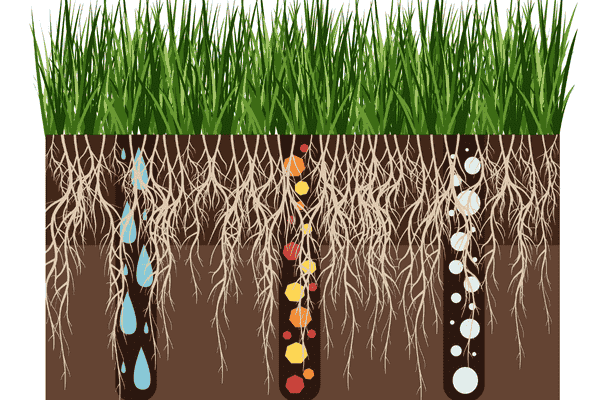
When earth becomes hard and lifeless, roots struggle to access air, water, and nutrients—leading to thin, patchy grass and soggy puddles after just a sprinkle of rain.
The good news? Soil aeration restores your lawn’s vitality by punching holes that let it breathe.
Let’s dig in—literally.
Table of Contents
2. What Is Soil Aeration?
Soil aeration is the process of creating small channels or removing plugs of soil to improve oxygen, water, and nutrient flow to grassroots. There are two primary methods:
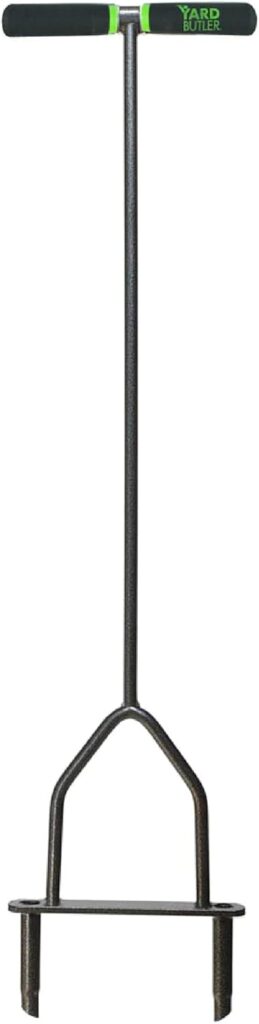
- Core (Plug) Aeration: Extracts ¾″–½″ diameter soil cores, reducing compaction at depth
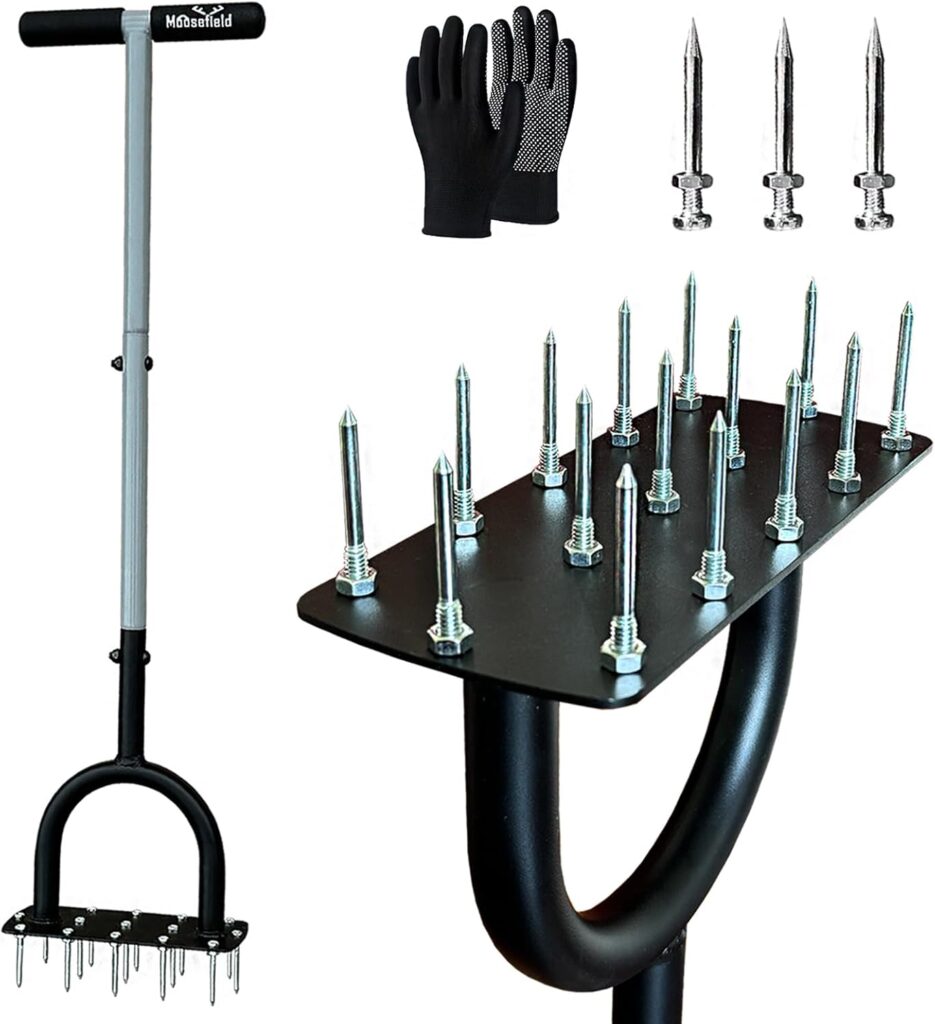
- Spike Aeration: Punctures holes with solid tines, quick for lighter soil
Both methods alleviate compaction, promote deeper root growth, and help prevent water runoff—giving you a thicker, greener lawn.
3. When & Why You Should Aerate
Signs Your Soil Needs Aeration
- Poor drainage: Water pools after light rain
- Thatch buildup: Thick layer of dead grass you can’t rake through
- Shallow roots: Grass pulls up easily
Ideal Timing
- Cool-season grasses: Early fall (Sept–Oct) or spring (Mar–Apr)
- Warm-season grasses: Late spring (May–June)
- Aerate when soil is moist (but not waterlogged) for best tine penetration.
4. Types of Soil Aerators
| Type | How It Works | Pros | Cons | Ideal For |
| Core Aerators | Remove ½″–¾″ plugs of soil | Deep compaction relief | Heavy, slower coverage | Large lawns, clay soils |
| Spike Aerators | Drive spikes into soil | Quick, lightweight | Can worsen compaction | Small yards, garden beds |
| Rolling Aerators | Spike drum on wheels | Effortless for medium yards | Shallower aeration | Medium lawns, raised beds |
| Liquid Aerators | Chemical/no-dig solutions | No labor | Temporary effect | Hard-to-reach areas |
5. How to Choose the Right Soil Aerators
- Lawn Size & Terrain
- Small yards (<2,000 ft²): Manual spike or core aerator
- Medium yards (2,000–5,000 ft²): Rolling aerator for speed
- Large lawns (>5,000 ft²): Tow-behind or professional core aerator
- Soil Type & Compaction
- Clay soils: Core aerators to remove plugs
- Sandy soils: Spike aerators suffice where compaction is lighter
- Effort & Comfort
- Manual core: Best results but physically demanding
- Rolling: Easier push operation without lifting
- Budget
- Entry-level: Gonicc spike aerator (~$40)
- Mid-range: Rolling steel-tine aerator (~$70)
- Premium: Yard Butler coring aerator (~$100)
6. Top 3 Soil Aerators of 2025
6.1 Yard Butler Lawn Coring Aerator
- Style: Manual core aerator with 14″ steel hollow tines
- Key Features: Durable steel frame, comfort-grip handles, removes ½″ plugs
- Pros: Exceptional compaction relief; built to last
- Cons: Requires physical effort for large areas
- Best For: Small to medium lawns (up to 5,000 ft²)
- Affiliate Link: Buy Yard Butler Lawn Coring Aerator »
6.2 Gonicc Manual Lawn Aerator
- Style: Push-style spike aerator with 10 stainless steel spikes
- Key Features: Lightweight design, ergonomic handle
- Pros: Fast coverage, easy maneuvering
- Cons: Can create compaction rings around holes
- Best For: Small gardens, container beds
- Affiliate Link: Buy Gonicc Manual Lawn Aerator »
6.3 Rolling Lawn Aerator with Steel Tines
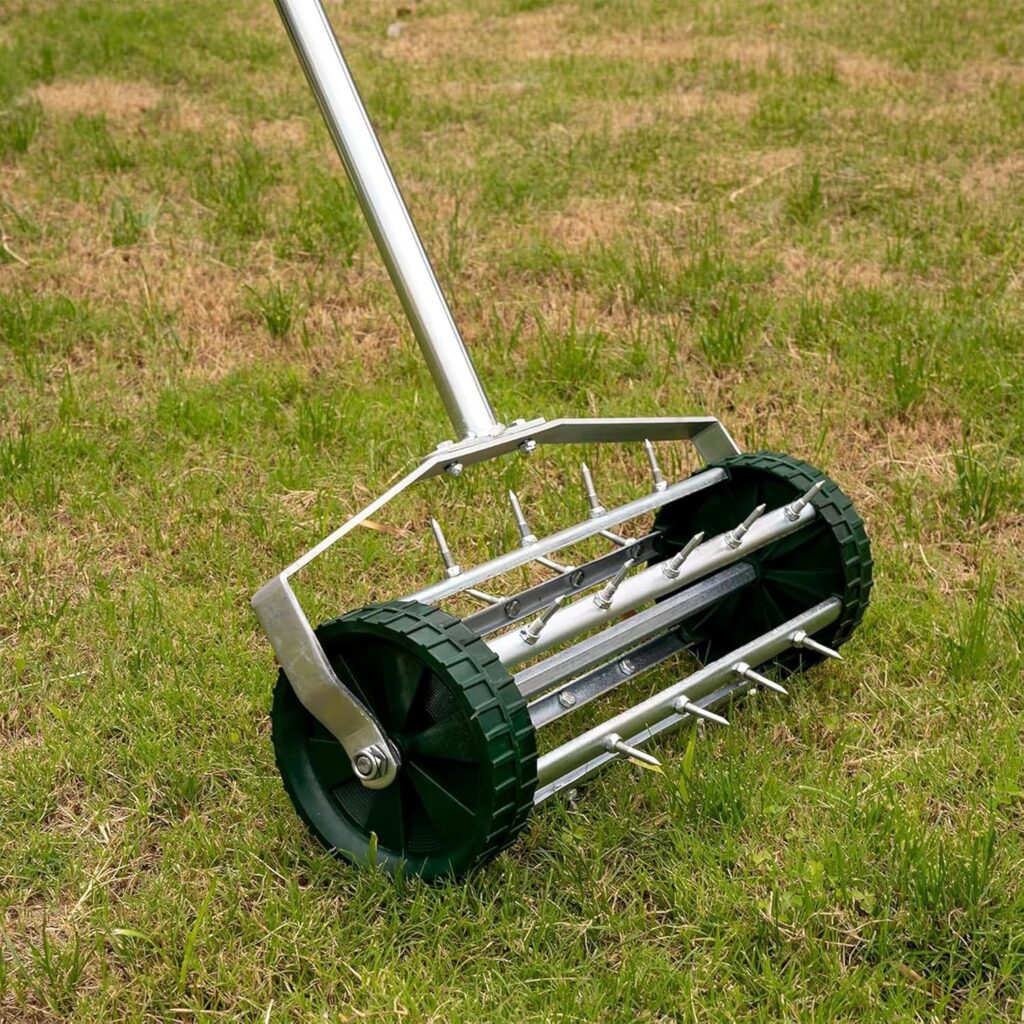
- Style: 12″ drum with fixed steel spikes on wheels
- Key Features: Push-pull rolling action; adjustable tine depth
- Pros: Effortless rolling; quick yard coverage
- Cons: Shallower penetration in heavy clay
- Best For: Medium lawns, raised beds, walkways
- Affiliate Link: Buy Rolling Lawn Aerator with Steel Tines »
7. Step-by-Step Soil Aeration Guide
- Mow First: Cut grass to recommended height (2–3″).
- Water Lightly: Soil should be damp—water 24 h before.
- Aerate in Cross-Pattern: Two passes—north-south & east-west—for even coverage.
- Post-Aeration Care:
- Top-dress with compost or sand to fill holes.
- Fertilize using a slow-release formula.
- Water lightly to settle soil cores back into place.
8. Potted Plants & Container Aeration
- Use hand-held spike forks or soil knives to gently poke holes without damaging roots.
- For small pots, liquid aerators (root enhancers) offer an instant boost.
10. Parting Remarks on Soil Aerators
Ready to revitalize your lawn and garden? Pick the soil aerator that fits your yard and budget, follow our step-by-step guide, and watch your turf transform.
Start Today:
- Yard Butler Coring Aerator for deep relief
- Gonicc Manual Aerator for quick, low-cost coverage
- Rolling Aerator w/ Steel Tines for easy push operation
For more gardening wisdom, check out our Soil Moisture Management Guide or download the Free Soil Aeration Checklist at theseedconnect.com/sage.
Breathe life back into your soil—one core at a time.