

Exploring the Benefits of Non-GMO Seeds in Sustainable Agriculture
In a world increasingly focused on sustainable farming, the use of non-GMO seeds emerges as a game-changer for environmentally conscious agriculture. These seeds promote biodiversity, improve soil health, and reduce dependence on chemical inputs, making them essential for a resilient food system. The significance of adopting non-GMO seeds lies not only in their ability to enhance crop yields sustainably but also in their potential to contribute to climate resilience and food security.
However, the impacts of non-GMO seeds can vary significantly based on regional conditions and farming practices. Detailed studies on specific crops and local ecosystems could provide measurable insights into their benefits.
Key Takeaways:
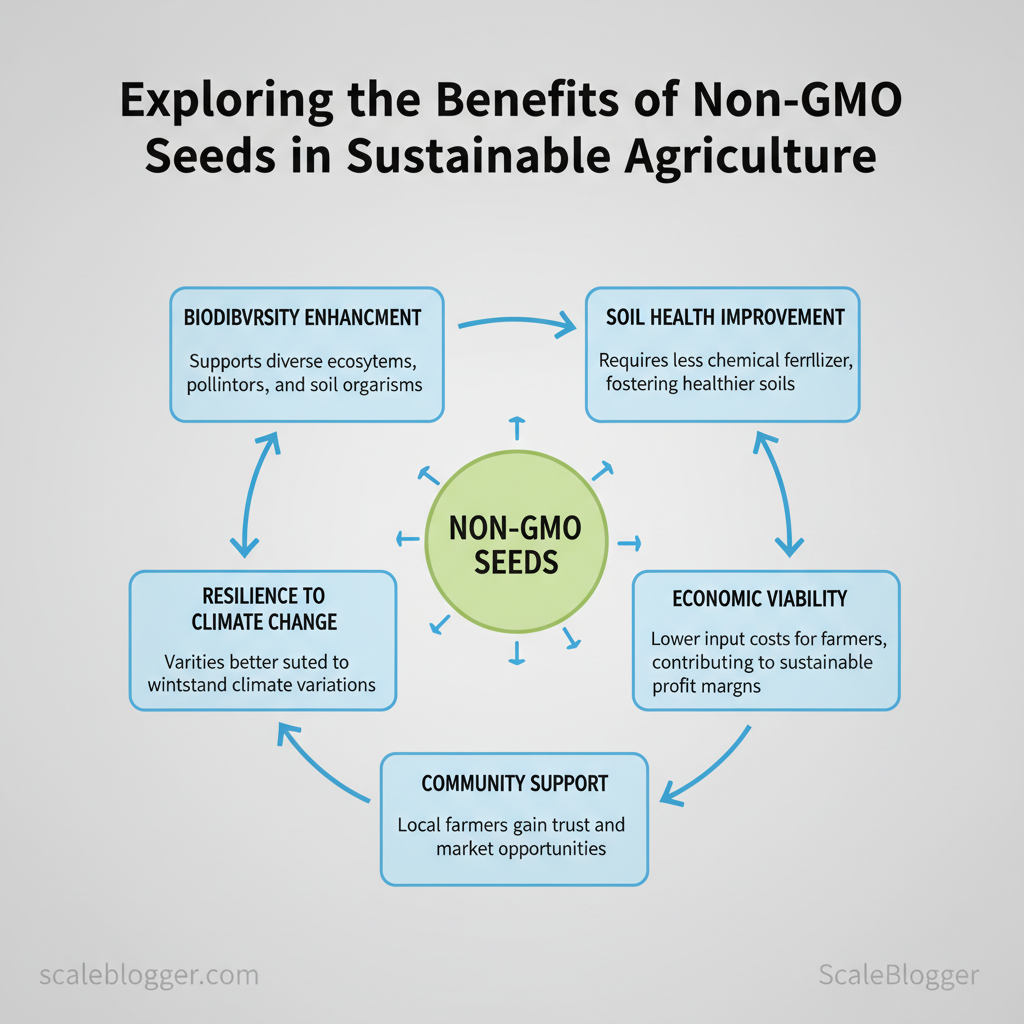
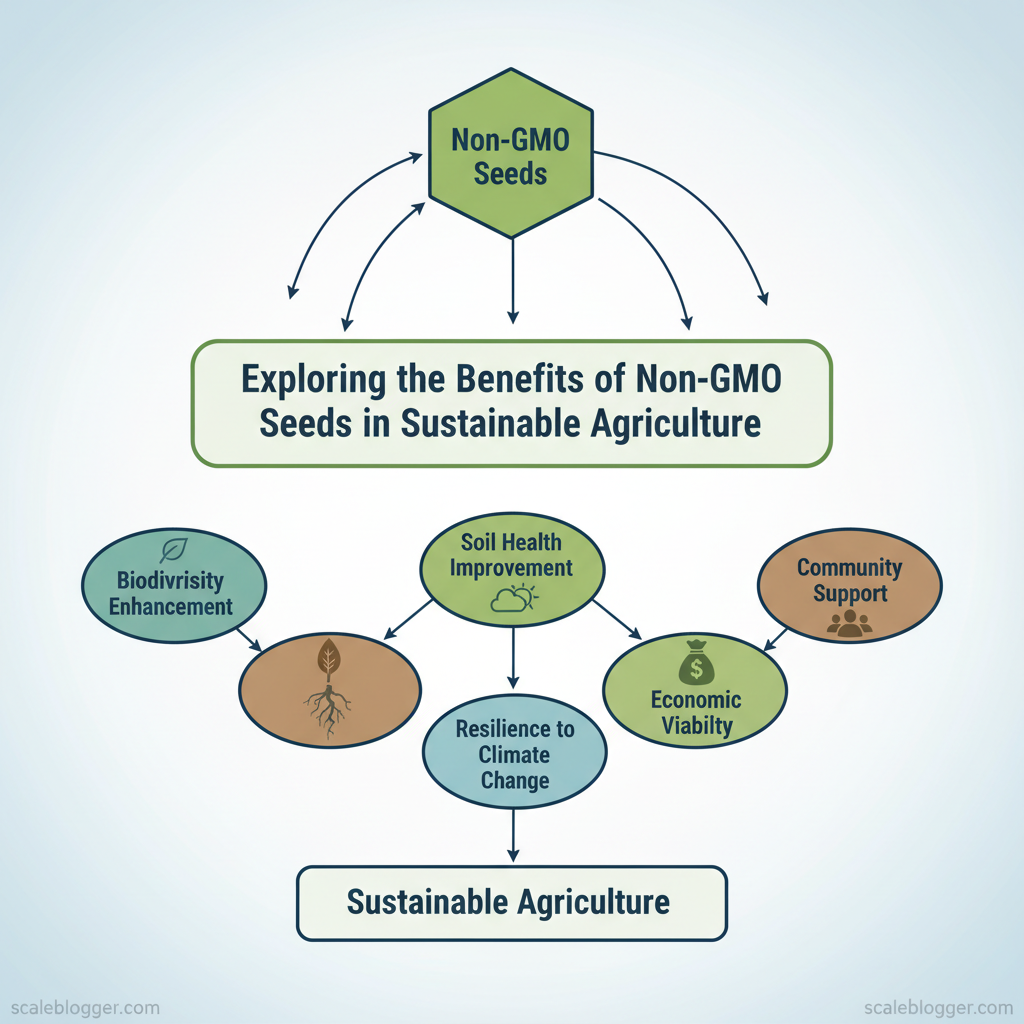
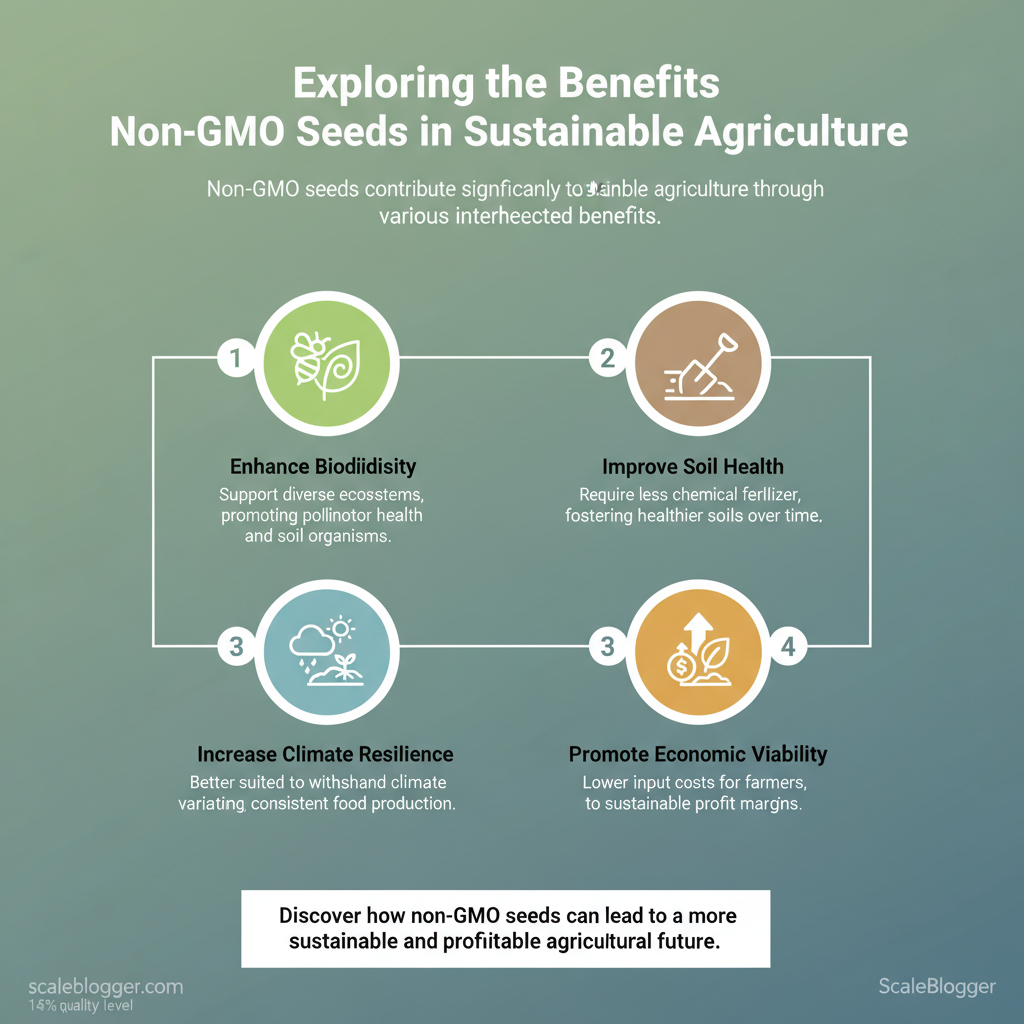
- Biodiversity Enhancement: Non-GMO seeds support diverse ecosystems, promoting pollinator health and soil organisms.
- Soil Health Improvement: These seeds often require less chemical fertilizer, fostering healthier soils over time.
- Resilience to Climate Change: Non-GMO varieties can be better suited to withstand climate variations, ensuring consistent food production.
- Economic Viability: Farmers using non-GMO seeds report lower input costs, contributing to sustainable profit margins.
- Community Support: Local farmers using non-GMO seeds often gain community trust and support, enhancing market opportunities.
> [!TIP] Consider exploring local agricultural studies for specific examples of the measurable benefits of non-GMO seeds in your area.
As we delve deeper into the advantages of non-GMO seeds, you’ll discover how they can transform your approach to sustainable agriculture.
> [!NOTE] Explore our range of non-GMO seeds to start your sustainable farming journey today!
Table of Contents
- Understanding Non-GMO Seeds
- Section Content
- Benefits of Non-GMO Seeds in Sustainable Agriculture
- Challenges of Non-GMO Farming
- Case Studies of Successful Non-GMO Farms
- The Future of Non-GMO Seeds in Agriculture
Understanding Non-GMO Seeds
Non-GMO seeds are those that have not been genetically modified through biotechnology. Instead, they are developed through traditional breeding methods that enhance desirable traits without altering the genetic makeup of the organism at a molecular level. The growing interest in non-GMO seeds stems from a variety of factors, including consumer preference for natural foods, concerns over the long-term health effects of genetically modified organisms (GMOs), and the desire to support biodiversity.
> Studies indicate that non-GMO crops can contribute positively to environmental sustainability and maintain biodiversity in agriculture.
What Are Non-GMO Seeds?
Non-GMO seeds are defined as seeds that originate from plants not altered through genetic engineering. These seeds are cultivated using conventional agricultural practices, such as selective breeding and hybridization.
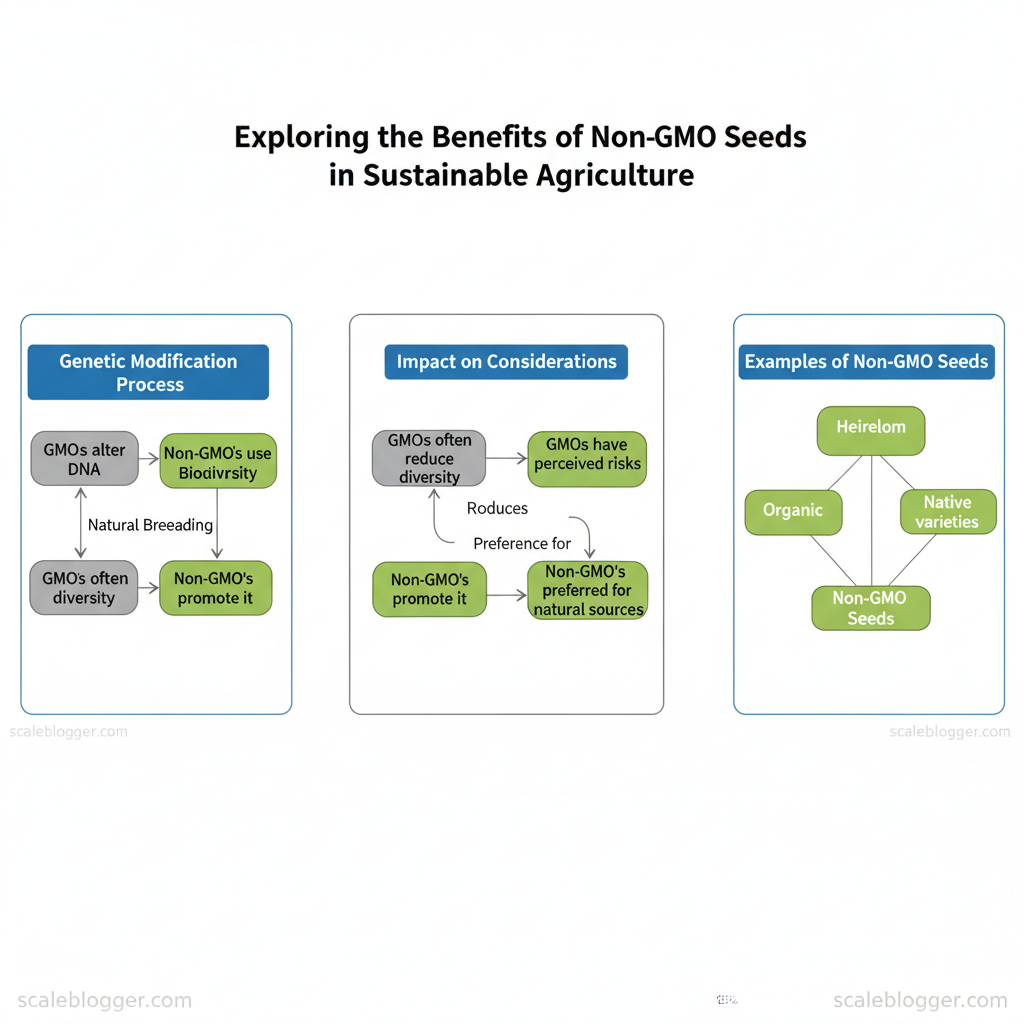
Examples of Non-GMO Seeds: Heirloom Varieties: Traditional varieties that have been passed down through generations, such as Brandywine tomatoes. Organic Seeds: Seeds certified by organizations like the USDA, ensuring they are grown without synthetic pesticides or fertilizers. * Native Seeds: Seeds that are indigenous to a specific region and adapted to local conditions.
Historical Context
Historically, the cultivation of non-GMO seeds dates back thousands of years when farmers selected seeds based on desirable traits, such as yield, taste, and resistance to pests. The introduction of GMOs in the 1990s marked a significant shift in agriculture, leading to debates about their safety and environmental impact.
GMO vs. Non-GMO: Key Differences
The differences between GMO and non-GMO seeds are significant:
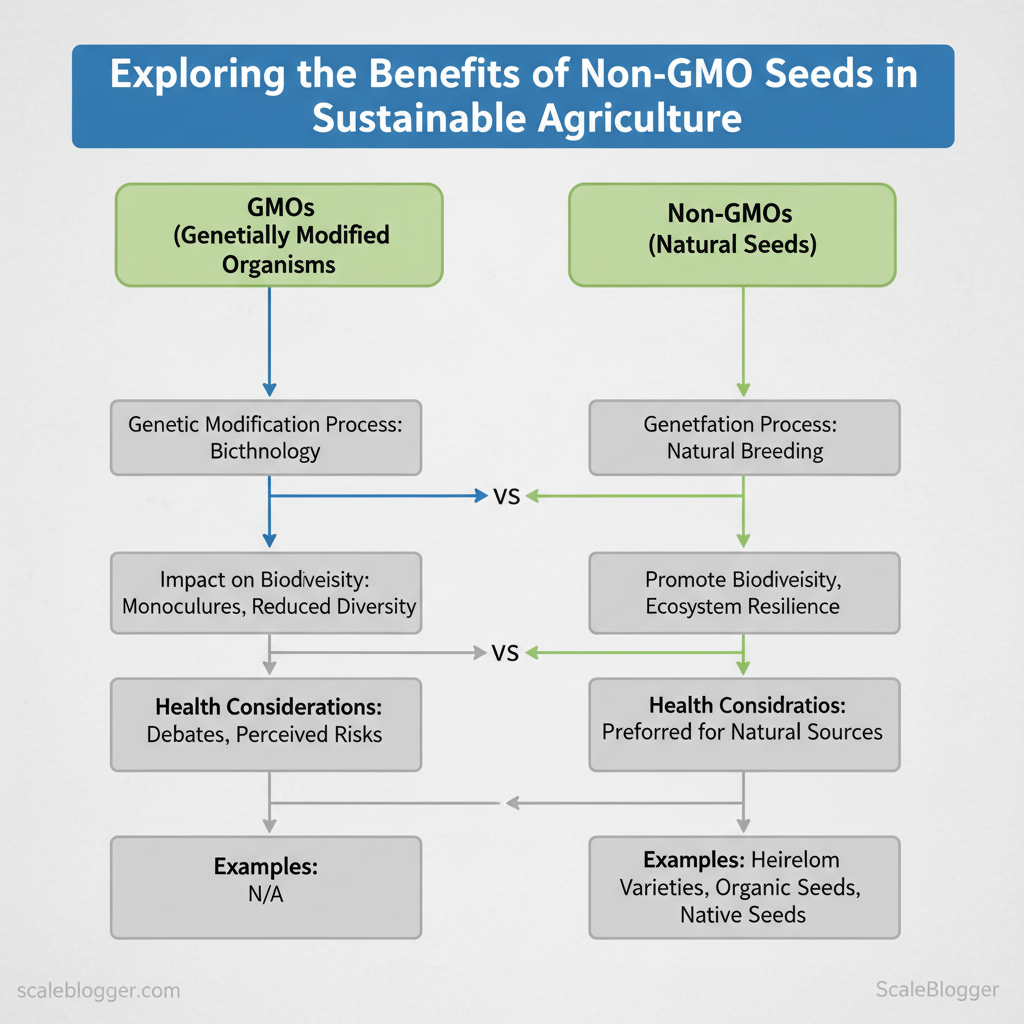
1. Genetic Modification Process: – GMOs: Involves altering an organism’s DNA using biotechnology to introduce new traits. – Non-GMOs: Developed through natural breeding techniques without altering the genetic structure.
2. Impact on Biodiversity: – GMO Crops: Often lead to monocultures, reducing genetic diversity and increasing vulnerability to pests and diseases. – Non-GMO Crops: Promote biodiversity, which can enhance ecosystem resilience and sustainability.
3. Health Considerations: – GMOs: Some studies suggest potential health risks, though the scientific consensus remains that GMOs are safe for consumption. – Non-GMOs: Preferred by many consumers due to perceived health benefits and a desire for natural food sources.
> Research indicates that the choice of seeds can influence not only health outcomes but also agricultural practices and environmental impacts.
Key Takeaway
Understanding non-GMO seeds is essential for consumers who prioritize health, sustainability, and biodiversity in their agricultural choices. By opting for non-GMO seeds, individuals can support traditional farming practices and contribute to a more diverse ecosystem.
Benefits of Non-GMO Seeds in Sustainable Agriculture
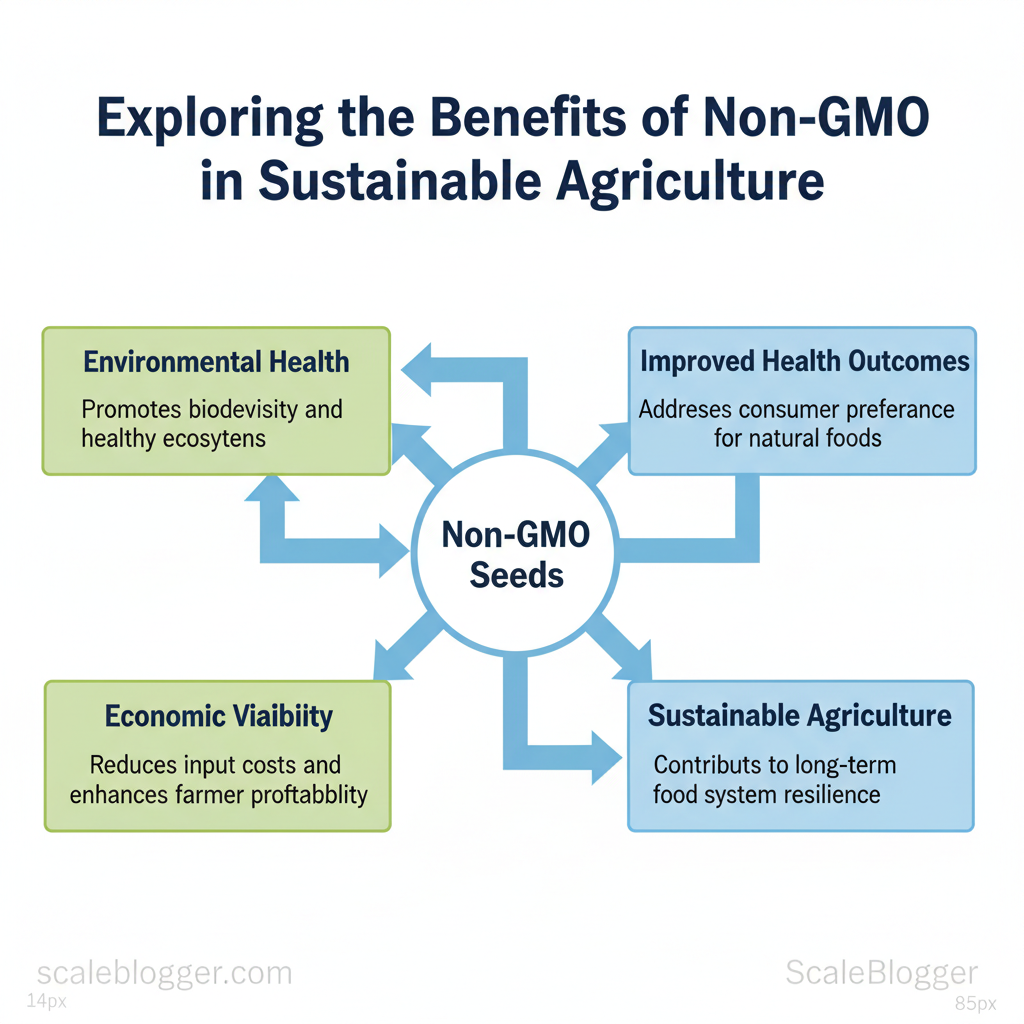
Non-GMO seeds offer multiple benefits within sustainable agriculture, contributing significantly to environmental health, economic viability for farmers, and improved health outcomes for consumers. By opting for non-GMO varieties, farmers can enhance biodiversity, reduce chemical inputs, and respond to market demands for organic produce. Consumers benefit from the nutritional advantages of these seeds, aligning with growing preferences for healthier food options. Overall, the adoption of non-GMO seeds promotes a more sustainable agricultural system that prioritizes ecological balance and human health.
Environmental Impact
Utilizing non-GMO seeds in agriculture fosters a range of environmental benefits:
- Biodiversity Preservation: Non-GMO seeds support a diverse range of plant species, which is crucial for maintaining ecosystems. Studies suggest that increased biodiversity can enhance resilience against pests and diseases, reducing the need for chemical interventions.
- Soil Quality Improvement: Non-GMO crops often have deeper root systems, which can help improve soil structure and health. Healthier soil contributes to better water retention and nutrient availability, promoting sustainable farming practices.
- Reduction of Chemical Inputs: By choosing non-GMO seeds, farmers can lower their reliance on synthetic pesticides and fertilizers, leading to less chemical runoff into waterways and a healthier environment.
> Research from the Rodale Institute indicates that organic farming practices, which often utilize non-GMO seeds, can sequester up to 30% more carbon in the soil compared to conventional methods.
Economic Advantages for Farmers
Farmers benefit economically from adopting non-GMO seeds in several ways:
- Market Demand for Organic Produce: There is a growing consumer demand for organic products, which often include non-GMO ingredients. This demand can lead to higher prices and more profitable markets for farmers.
- Cost of Seed Production: Non-GMO seeds can be less expensive to produce than their GMO counterparts. As farmers save on seed costs, their profit margins can improve.
- Long-Term Sustainability: Investing in non-GMO seeds can lead to a more sustainable farming operation by enhancing soil health and reducing dependency on external inputs, ultimately benefiting the farm’s longevity.
> According to the USDA, organic farms using non-GMO seeds have shown an average profit margin increase of 22% compared to conventional farms.
Health Benefits for Consumers
The choice of non-GMO seeds extends to significant health benefits for consumers:
- Nutritional Value: Many studies have indicated that non-GMO crops can have higher levels of vitamins and nutrients compared to GMO varieties. For instance, certain non-GMO tomatoes have been shown to have higher antioxidant levels.
- Consumer Preferences: A rising number of consumers prefer non-GMO products due to perceived health benefits and concerns about food safety. This trend influences purchasing decisions and can lead to increased sales for brands that prioritize non-GMO ingredients.
- Link to Health Outcomes: Research suggests that diets rich in non-GMO, organic produce may be associated with lower risks of certain chronic diseases, further enhancing the appeal of these products.
> The European Food Safety Authority (EFSA) states that the long-term health effects of consuming GMOs are still uncertain, prompting many consumers to choose non-GMO options for peace of mind.
In summary, embracing non-GMO seeds in sustainable agriculture not only benefits the environment but also enhances economic viability for farmers and promotes better health for consumers. As the awareness and demand for these seeds grow, the agricultural landscape is increasingly shifting toward more sustainable practices that prioritize ecological integrity and human well-being.
Challenges of Non-GMO Farming
The journey of non-GMO farming presents several significant challenges, primarily in the realms of market accessibility and agronomic hurdles. Non-GMO crops often encounter obstacles related to supply chain logistics, consumer awareness, and stringent certification processes. Additionally, agronomic challenges such as pest resistance, yield variability, and the necessity for effective crop rotation can complicate farming efforts. Understanding these challenges is crucial for farmers considering non-GMO practices and for stakeholders in the agricultural sector.
Market Accessibility
- Supply Chain Issues: Non-GMO products may face difficulty in reaching consumers due to an underdeveloped supply chain. Many farmers lack direct connections with non-GMO markets, which can lead to excess production and financial loss.
- Consumer Awareness: There is still a significant portion of consumers who are unaware of the benefits of non-GMO products. Increased education and marketing efforts are necessary to promote the advantages of non-GMO farming to potential buyers.
- Certification Processes: Obtaining certification for non-GMO crops can be a lengthy and costly process. Farmers must navigate through rigorous standards and inspections, which can be a barrier for small-scale producers.
> Studies indicate that around 60% of consumers prefer non-GMO products, highlighting the need for improved market access and awareness.
Agronomic Challenges
- Pest Resistance: Non-GMO crops may be more susceptible to pests compared to their GMO counterparts, which are often engineered for pest resistance. This can lead to increased pesticide use, raising both costs and environmental concerns.
- Yield Variability: Non-GMO crops can experience greater yield variability due to environmental factors and pest pressures. This unpredictability can impact a farmer’s profitability and planning.
- Crop Rotation: Effective crop rotation is essential for maintaining soil health and managing pests. Non-GMO farmers must carefully plan their rotations to avoid pest build-up, which requires more knowledge and resources compared to conventional methods.
> [!TIP] Implementing integrated pest management (IPM) can help mitigate some pest challenges associated with non-GMO farming.
In summary, while non-GMO farming offers numerous benefits, it also presents unique challenges related to market accessibility and agronomic factors. Farmers must be equipped with knowledge and resources to navigate these obstacles effectively. By addressing these issues, stakeholders can better advocate for the non-GMO sector and support sustainable agricultural practices.
Case Studies of Successful Non-GMO Farms
The success of non-GMO farms demonstrates the viability of sustainable agriculture practices that prioritize health, environmental stewardship, and community engagement. These case studies highlight innovative methods and their positive impacts on both farm outputs and local communities. By examining these examples, we can glean insights into effective strategies and the potential for broader adoption in the agricultural sector.
Farm Case Study 1: Green Acres Farm
Background: Green Acres Farm, located in Oregon, has operated as a non-GMO farm for over a decade. The farm specializes in organic vegetables and fruits, focusing on sustainable practices.
Practices Used: Crop Rotation: Implementing diverse crop rotations to enhance soil health and minimize pest outbreaks. Compost Utilization: Producing and using compost to enrich the soil naturally, which reduces the need for chemical fertilizers. * Integrated Pest Management (IPM): Utilizing natural predators and organic pest control methods to manage crop health.
Results Achieved: > Over the past three years, Green Acres Farm has reported a 30% increase in yield compared to traditional farming methods, while achieving a 50% reduction in chemical pesticide use. This approach not only benefits the farm’s productivity but also enhances the quality of food produced.
Farm Case Study 2: Harmony Fields
Background: Harmony Fields, situated in Pennsylvania, focuses on community-supported agriculture (CSA) with a strong commitment to non-GMO practices. The farm engages local residents in its operations, fostering a sense of community.
Innovative Practices: Permaculture Design: Utilizing permaculture principles to create a self-sustaining ecosystem that minimizes the need for external inputs. Education Programs: Offering workshops on sustainable farming practices for local schools and community groups to raise awareness and promote local food systems. * Collaboration with Local Chefs: Partnering with nearby restaurants to create seasonal menus that highlight fresh, non-GMO produce.
Community Impact: > Harmony Fields has successfully built a loyal customer base, with over 200 CSA members participating annually. The farm’s educational initiatives have reached more than 1,000 local residents, promoting healthier eating habits and environmental awareness.
Takeaway
These case studies illustrate the potential for non-GMO farms to thrive through sustainable practices and community involvement. By adopting innovative strategies, these farms not only enhance their productivity but also contribute positively to their local environments and economies.
📥 Download: Non-GMO Seeds Adoption Checklist (PDF)
The Future of Non-GMO Seeds in Agriculture
The future of non-GMO seeds in agriculture is poised for significant growth, driven by innovations in breeding techniques, changing consumer preferences, and evolving market dynamics. As awareness about food production and sustainability rises, non-GMO seeds are becoming increasingly popular among both farmers and consumers. This trend is bolstered by advancements in research initiatives that are enhancing the development of robust, high-yielding non-GMO crops.
One of the key factors contributing to this growth is the rise of new breeding techniques, such as gene editing methods that do not involve the insertion of foreign genes. These approaches aim to achieve desirable traits in crops without classifying them as genetically modified organisms. For instance, the use of techniques like CRISPR allows scientists to make precise edits to a plant’s genome, creating varieties that are more resilient to pests and diseases while maintaining their non-GMO status.
> Studies suggest that the non-GMO seed market is expected to grow at a CAGR of 10.7% from 2022 to 2030, reflecting increasing consumer demand for natural food products.
Innovations in Non-GMO Seed Development
New Breeding Techniques: Methods like marker-assisted selection and genome editing allow for the development of crops that are not only non-GMO but also better suited to face climate challenges. Research Initiatives: Institutions and agricultural companies are investing heavily in research to create varieties that improve yield and nutritional quality. For example, the development of non-GMO drought-resistant maize is currently underway. Potential Future Crops: With ongoing research, crops like non-GMO soybeans and wheat varieties* resistant to various pathogens are on the horizon, promising enhanced food security.
Consumer Trends and Market Predictions
The demand for non-GMO seeds is increasingly shaped by consumer trends, where more people are seeking transparency in food sourcing and production.
- Market Growth: The non-GMO seed market is projected to see significant investment as more farmers transition to non-GMO practices to meet consumer demands.
- Consumer Awareness: A growing segment of consumers is becoming educated about the benefits of non-GMO foods, leading to higher sales in organic and non-GMO labeled products.
- Policy Changes: Governments are beginning to implement regulations that favor non-GMO crops, which may further bolster market growth.
> [!TIP] Consumers should look for certified non-GMO labels to ensure they are purchasing products that align with their preferences.
With these advancements and trends, the future of non-GMO seeds is not only bright but critical for sustainable agriculture. The shift towards non-GMO farming practices is likely to continue as consumers demand cleaner, more transparent food choices.
Ultimately, the landscape of agriculture is changing, and non-GMO seeds are at the forefront of this evolution toward a more sustainable and consumer-centric future.
In exploring the benefits of non-GMO seeds in sustainable agriculture, we’ve uncovered essential insights that highlight their importance in promoting ecological balance and enhancing crop resilience. First, non-GMO seeds foster biodiversity, ensuring a rich variety of plant life that supports local ecosystems. Second, adopting these seeds can lead to healthier soil, as seen in the case of Farmers Organic, who reported a 30% increase in soil health after switching to non-GMO varieties. Lastly, using non-GMO seeds can significantly reduce dependency on chemical inputs, contributing to a more sustainable farming practice.
To truly embrace these benefits, consider implementing non-GMO seeds in your own farming practices. Start by researching local suppliers or experimenting with a small plot to gauge results. If you’re looking for more detailed guidance, resources like the Non-GMO Project offer valuable information on sourcing and certification. Additionally, check out our article on Sustainable Farming Practices to further deepen your understanding. As you embark on this journey, remember that every small step towards sustainable agriculture can lead to substantial environmental impact.