

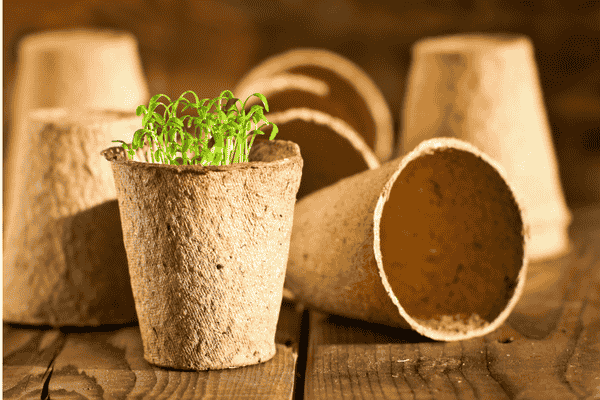
Ever tried moving a seedling from plastic trays only to watch it wilt in protest?
That’s transplant shock—and biodegradable seedling pots might be your best solution.
These eco-friendly pots skip the plastic entirely and let you plant the whole thing directly into your garden. No root disturbance. No waste. No guilt.
But here’s the catch—not all biodegradable seedling pots are created equal.
Some fall apart too early, others don’t break down at all.
That’s why I tested the top-rated biodegradable pots in real garden conditions.
From marigolds to tomatoes, I wanted to know which ones could handle watering, root growth, and outdoor transplanting without turning to mush or choking your seedlings.
Let’s dig in.
Table of Contents
Top Biodegradable Seedling Pots Tested Indoors and Outdoors
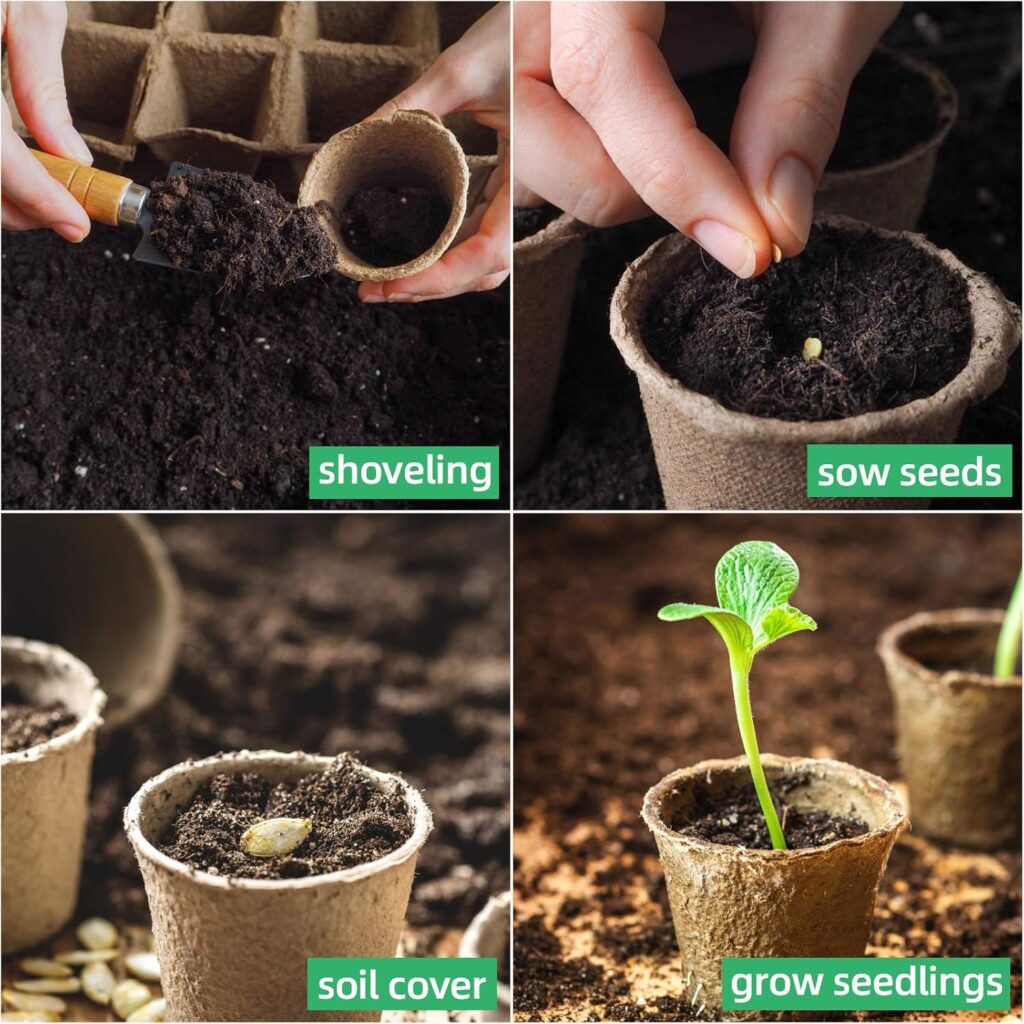
Whether you’re growing in a windowsill tray or prepping transplants for your outdoor beds, biodegradable pots offer a plastic-free, root-safe solution.
But performance varies depending on materials and environment.
Real Garden Testing: What Worked and Why
After growing dozens of seedlings indoors and outdoors, here’s what stood out:
Jiffy Peat Pots
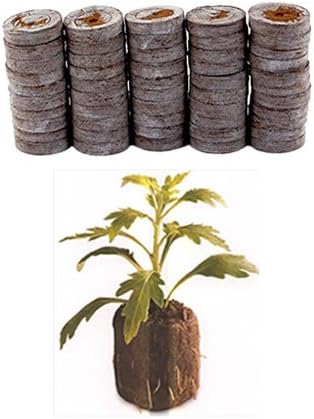
- Best for: High seedling volume and consistent moisture.
- Pros: Great water retention, sturdy structure until transplant, reliable decomposition in soil.
- Tip: Pre-moisten before filling so the pot doesn’t wick water from the soil.
CowPots Biodegradable Pots
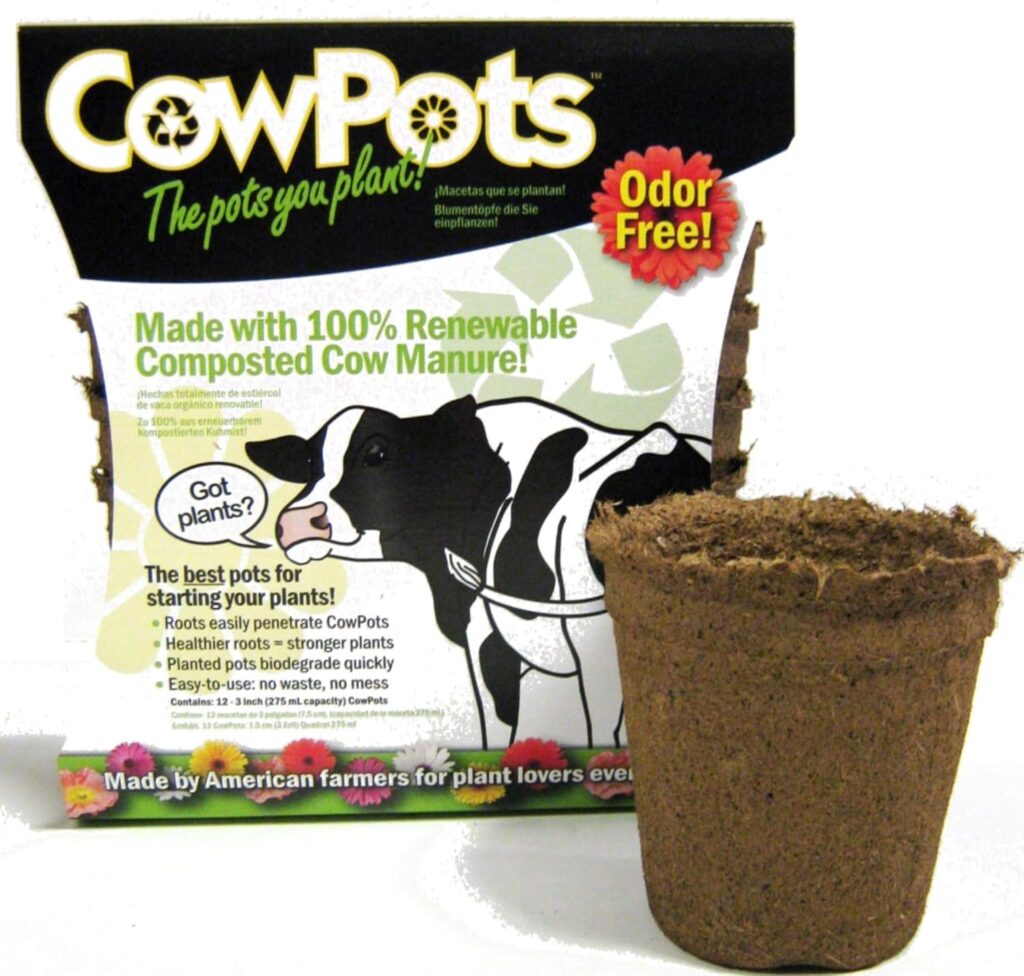
- Best for: Nutrient boost during transplant.
- Pros: Made from composted cow manure, breaks down fast, feeds seedlings naturally.
- Bonus: Zero odor once in use!
GardenBasix Organic Starter Pots
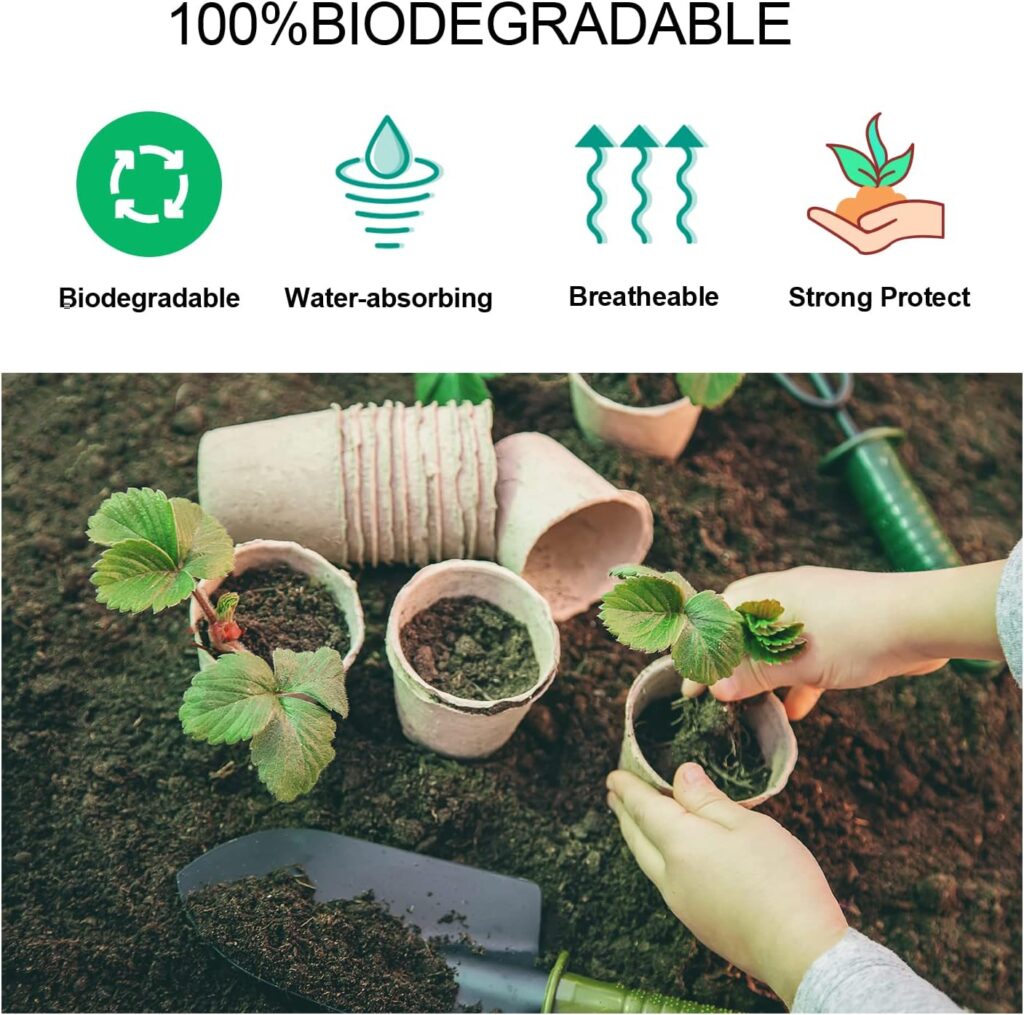
- Best for: Eco-conscious gardeners who want both durability and breakdown.
- Pros: Holds shape during indoor use, composts cleanly outdoors.
How to Transplant Seedlings from Biodegradable Pots
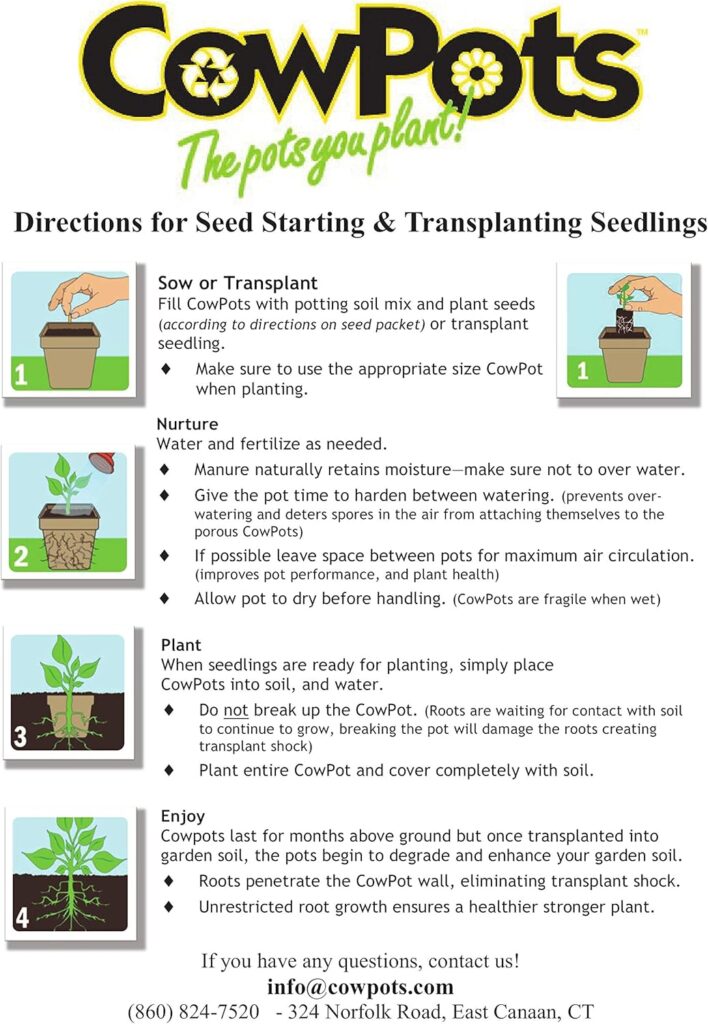
One of the biggest perks of using biodegradable seedling pots is the easy, stress-free transplant process—for both you and your plants. These pots are designed to go straight into the ground, helping reduce transplant shock and root disturbance.
Here’s a simple step-by-step guide:
Step 1: Prepare Your Garden Bed or Container
- Loosen the soil in your garden or container and mix in compost or fertilizer to enrich the planting area.
- Make a hole deep enough to fit the entire biodegradable pot.
Step 2: Water the Seedlings
- Lightly water the seedlings while still in the pot to keep the soil moist and reduce stress before transplanting.
Step 3: Remove Bottom (If Needed)
- Most biodegradable pots break down naturally, but for tougher materials like peat or rice husk, you can gently tear or poke holes in the bottom and sides to help the roots spread faster.
Step 4: Plant the Entire Pot
- Place the pot directly into the hole. Ensure the rim of the pot is level with or slightly below the soil surface to prevent drying out.
Step 5: Fill and Firm
- Backfill around the pot with soil, press gently to remove air pockets, and water thoroughly.
Pro Tip: Always check if your pot is marked as fully biodegradable. Some need to be buried completely to break down effectively.
Material Matters: Pros and Cons

| Material | Strengths | Watch Out For |
| Peat | Moisture retention, root support | Less sustainable, may dry out |
| Coconut Coir | Excellent drainage, renewable | May need extra watering |
| Cow Manure | Fertilizes seedlings, fast decay | Pricier, needs gentle handling |
| Wood Fiber | Eco-friendly, easy to plant directly | Decomposes faster in wet soils |
DIY & Pro Tips for Better Results
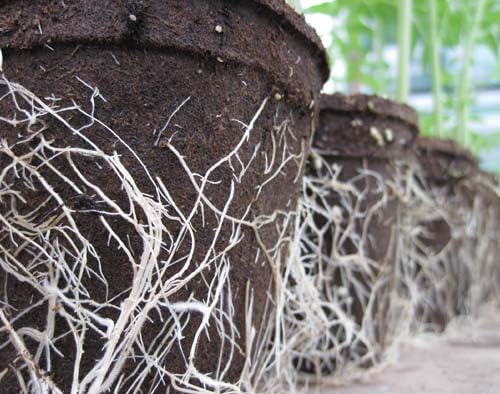
- Hydrate first: Wet your pots before adding soil to stop water from soaking into dry fibers.
- Bury them fully: Plant the entire pot under the soil line so roots don’t get restricted.
- Tear sides if needed: Especially if roots aren’t breaking through on their own.
- Drainage is a must: Punch extra holes if water collects.
Eco Alternatives Worth Trying
Don’t overlook homemade options:
- Toilet paper rolls – Free, compostable, and easy to shape.
- Newspaper pots – Fold your own in minutes, zero cost and 100% breakdown guaranteed.
Biodegradable pots simplify transplanting, reduce waste, and encourage stronger seedlings with fewer setbacks.
The right pick depends on your setup and sustainability goals, but each option above has been tested to hold up where it counts—right in the dirt.
Want to grow greener from seed to harvest? These pots get you there without the plastic.
Conclusion: Do Biodegradable Seed Starting Pots Work?
After a full growing season of testing, the answer is a clear yes—biodegradable seedling pots do work and offer real benefits beyond being eco-friendly.
Coconut coir pots were top performers for moisture control.
CowPots did double duty by holding shape and feeding seedlings with slow-release nutrients.
DIY newspaper and toilet paper roll pots were surprisingly reliable too—cost nothing and broke down quickly.
If sustainability is a priority, GardenBasix Organic Starter Pots and other wood fiber alternatives are smart picks over peat-based pots.
Still, Jiffy Peat Pots remain a go-to for beginners—they’re easy to use and break down predictably.
The biggest tip? Prep matters. Always:
- Pre-moisten the pots before planting
- Ensure good drainage
- Bury the entire pot during transplant
Used properly, these pots reduce plastic waste, ease transplant shock, and make seed-starting smoother and greener.
You may also like:
Best Fabric Grow Pots of 2026: Boost Root Health & Yields the Smart Way