

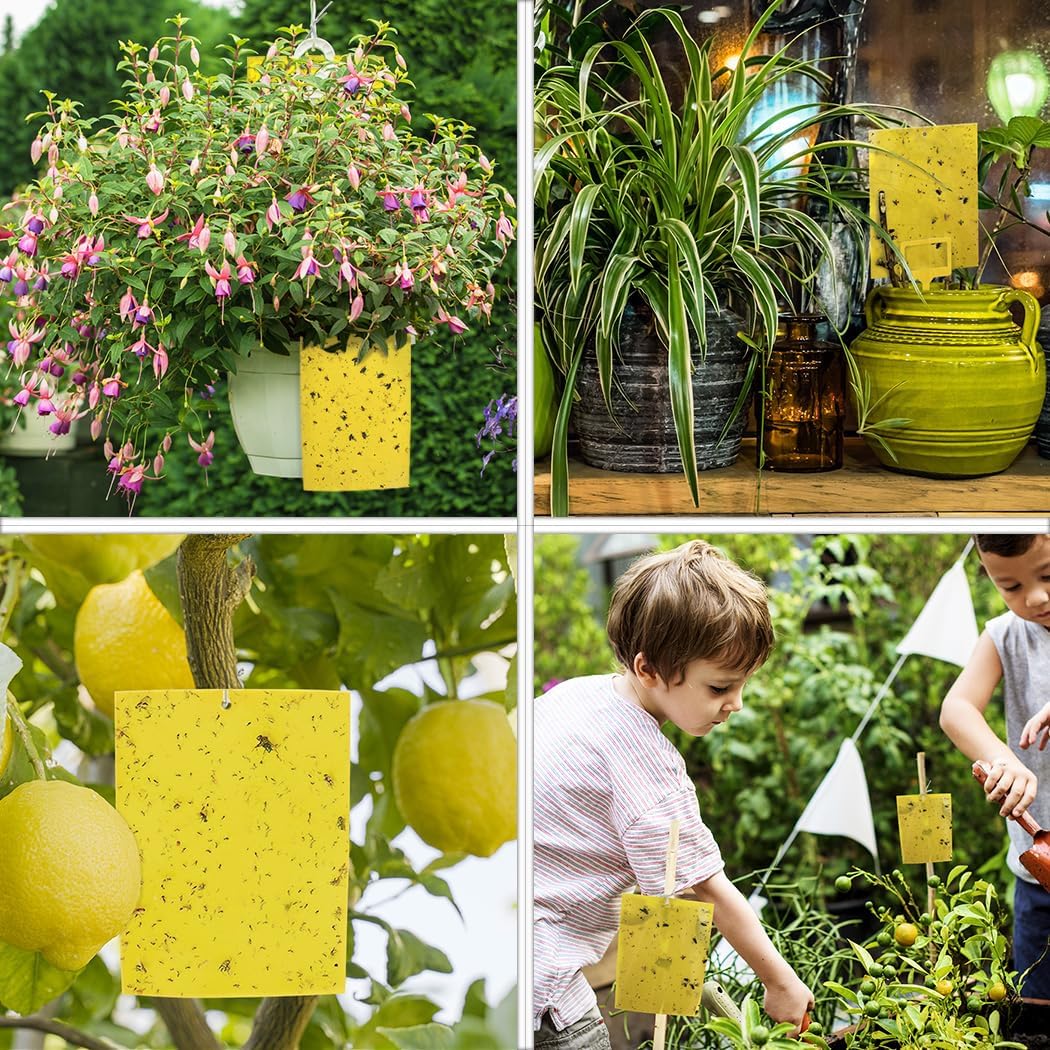
If you’ve ever battled flies in a grow tent, garden, greenhouse—or even in your kitchen—you know they’re more than just an annoying buzz.
Flies carry bacteria, lay eggs on soil, and disrupt your plants’ health.
For cannabis growers, this can mean damaged roots, mold-prone soil, and stressed plants that yield poorly.
Fly strips are a cheap, chemical-free way to trap those pests before they multiply.
These sticky traps for flies hang near your grow trays, lights, or ventilation and silently catch flying insects 24/7.
The best part? They’re simple to use, non-toxic, and effective indoors and out.
If you’re tired of chasing flies, let your sticky fly traps do the work for you.
How Fly Strips Work to Control Flies (and Why Growers Love Them)
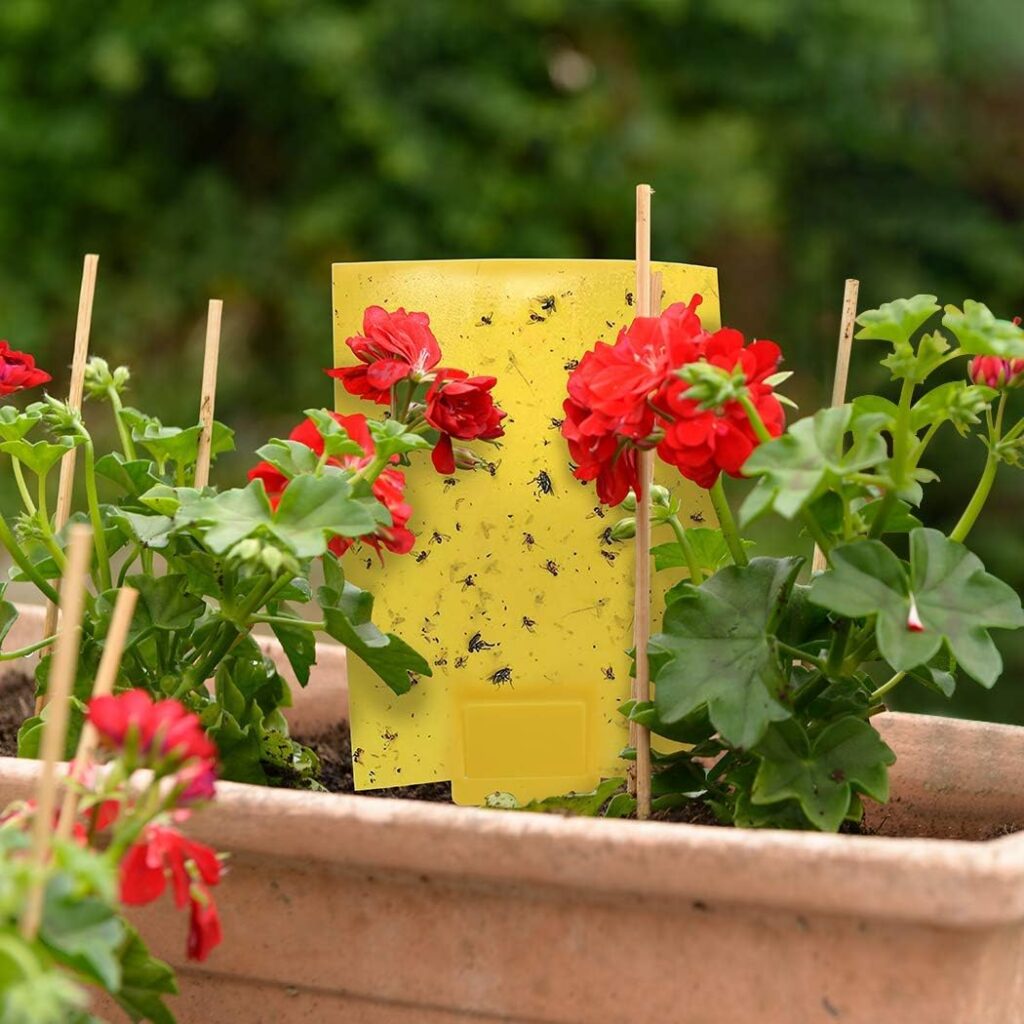
Fly strips—also called fly sticky traps—work by combining strong adhesive with visual and scent-based lures.
These sticky traps for flies catch pests like fungus gnats, whiteflies, and houseflies the moment they land.
- Sticky surface: Dual-sided glue traps flying insects instantly—no escape.
- Color attraction: Yellow strips attract gnats and whiteflies; blue targets houseflies more effectively.
- Optional bait: Some strips use pheromones or sweet scents to boost trapping power.
Because they use no harmful chemicals, sticky fly traps are perfect for cannabis grow rooms, greenhouses, and indoor seedling setups—keeping pests away without hurting your plants.
Why Fly Strip Placement Matters for Pest Control
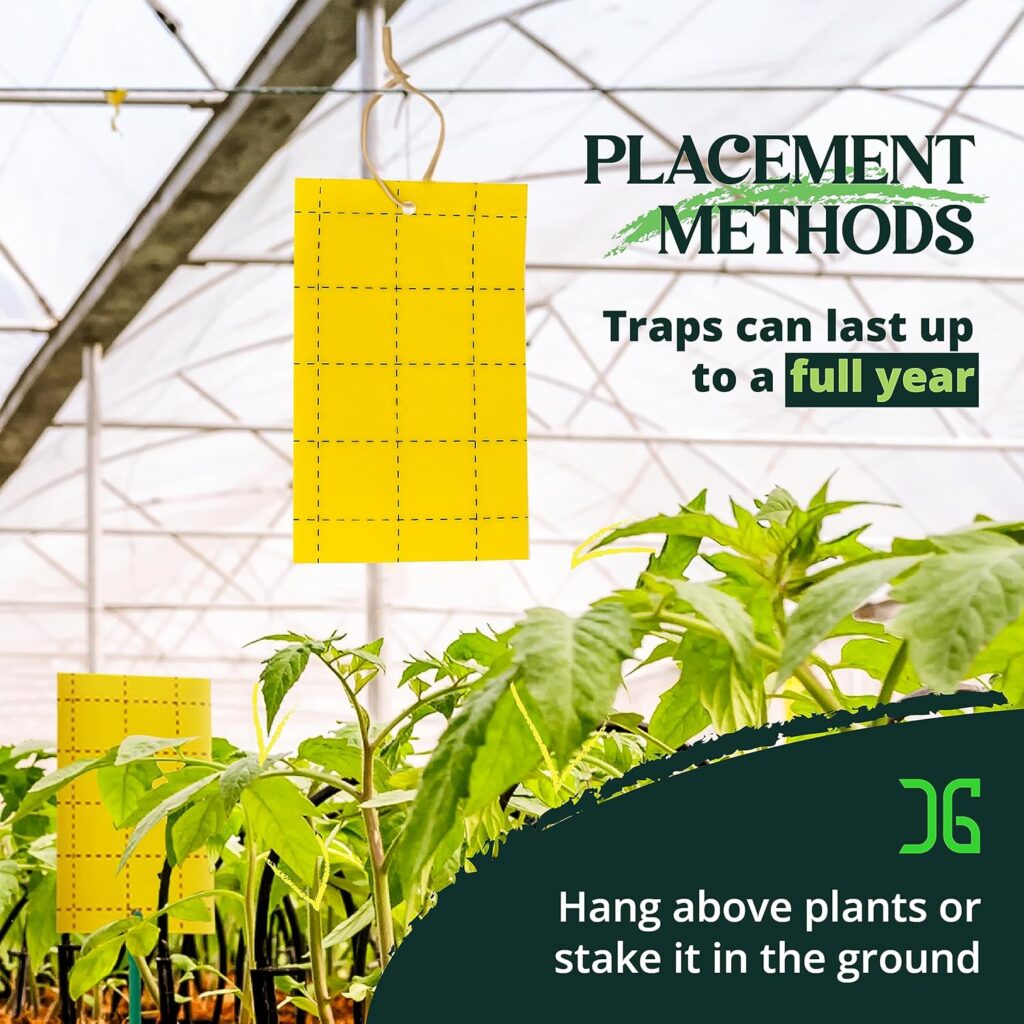
Proper placement is key to making your fly strips or sticky fly traps work effectively.
Flies naturally gather around sunny windows, warm ceiling zones, and food or trash areas.
To get the best results:
- Hang sticky hanging fly traps near entry points like doorways and vents.
- Avoid corners or walls—free-hanging strips catch flies from all angles.
- Don’t place scented traps near main doors; they may lure in more flies from outside.
- Keep traps out of direct sunlight to extend their stickiness and lifespan.
How to Use Fly Strips: Step-by-Step for Maximum Catch
Using fly strips correctly ensures they trap pests efficiently without creating a mess.
From placement to disposal, here’s how to get the best results from your sticky fly traps.
Choose the Right Location
Place sticky hanging fly traps:
- Near windows, doors, and trash bins—where flies enter or gather
- Close to food prep areas (but never above open food)
- High up in warm areas where flies love to hover
- Away from seating and high-traffic areas (at least 20–30 ft)
Proper fly trap placement boosts your trap’s catch rate while reducing fly traffic in sensitive areas.
Install with Care
- Warm the tube first for easier unrolling
- Use the included tack to hang it securely
- Let strips dangle freely—not against walls—for all-around trapping
- Avoid breezy spots to prevent tangling
Fly sticky traps work best when they’re easy to access and attract flies from every direction.
Avoid Sticky Messes
Accidentally touched the adhesive? Use vegetable oil on skin or fur, then rinse with dish soap. These traps are safe but very sticky by design—handle with care.
Know When to Replace
Replace your fly strip when:
- It’s full of trapped insects
- It’s lost its stickiness or looks dusty
- It’s been hanging for 2–3 months
Seal used strips in a ziplock, then dispose of with regular trash to contain mess and odor.
Fly Strips in Pet- and Kid-Friendly Homes
Hang strips at least 6 feet high. If a pet brushes against one, use oil and soap to safely clean the area. Choose non-toxic sticky fly traps like Gideal or Catchmaster for added peace of mind.
Top 3 Best Fly Strips for Indoor & Grow Room Use
Want fast results from your fly sticky traps?
Here are three top-rated fly strips trusted by gardeners, homeowners, and cannabis growers alike.
1. Catchmaster Sticky Fly Trap – Best for Indoors

This chemical-free fly strip works instantly with its pre-scented glue. It covers large areas (up to 300 sq ft), making it perfect for kitchens, barns, or greenhouses.
Why growers love it:
- Ready to use—just hang and catch
- Safe around kids and pets
- No bait or setup needed
2. RESCUE! Fly Stick Trap – Best for Patios & Kitchens
Using VisiLure® visual technology instead of scent, this sticky hanging fly trap attracts even biting flies like horse and deer flies—without pesticides.
Top features:
- Odor-free & mess-free
- Great for patios, porches, and food prep areas
- Visually blends trapped insects into the pattern
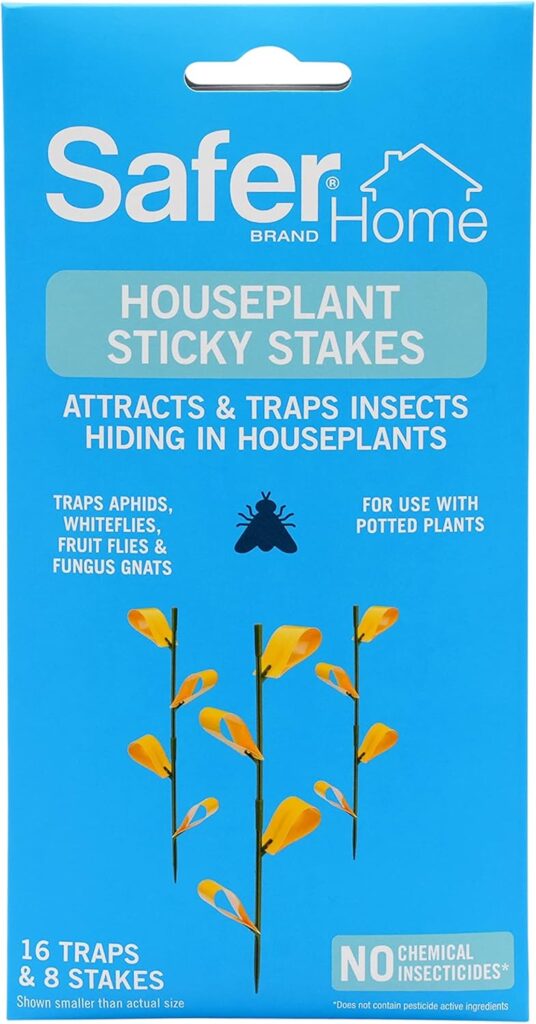
3. Gideal Yellow Sticky Traps – Best for Grow Tents & Plants
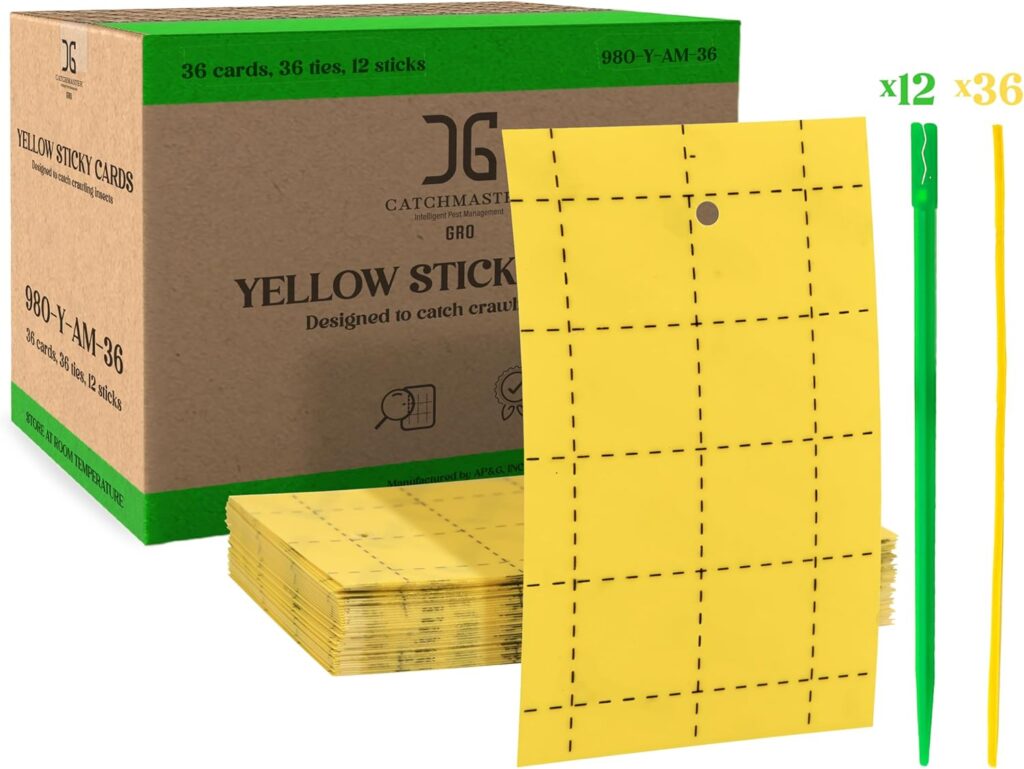
These dual-sided sticky fly traps are ideal for trapping fungus gnats, whiteflies, and thrips in cannabis grow rooms or vegetable gardens.
What makes it stand out:
- 20-pack + stands and ties included
- UV-resistant & waterproof
- Safe for indoor use around plants
Pro tip: Add a dab of honey or jam to attract flies even faster!
How to Use Fly Strips in Cannabis Grow Rooms (Without Spraying Chemicals)
If you’re growing cannabis indoors, flies aren’t just annoying—they’re a warning sign.
Sticky fly traps, also known as fly strips, are one of the easiest and most affordable tools to protect your harvest before pests take over.
Why Fly Strips Matter in Grow Spaces
Fly strips do double duty in your grow room:
- Pest detection: They alert you to early infestations before your plants suffer.
- Pest prevention: They trap adult insects like fungus gnats and whiteflies before they breed.
That’s why experienced growers add fly traps to their setup from day one—think of them as passive security for your crop.
What Fly Strips Catch in Cannabis Grows
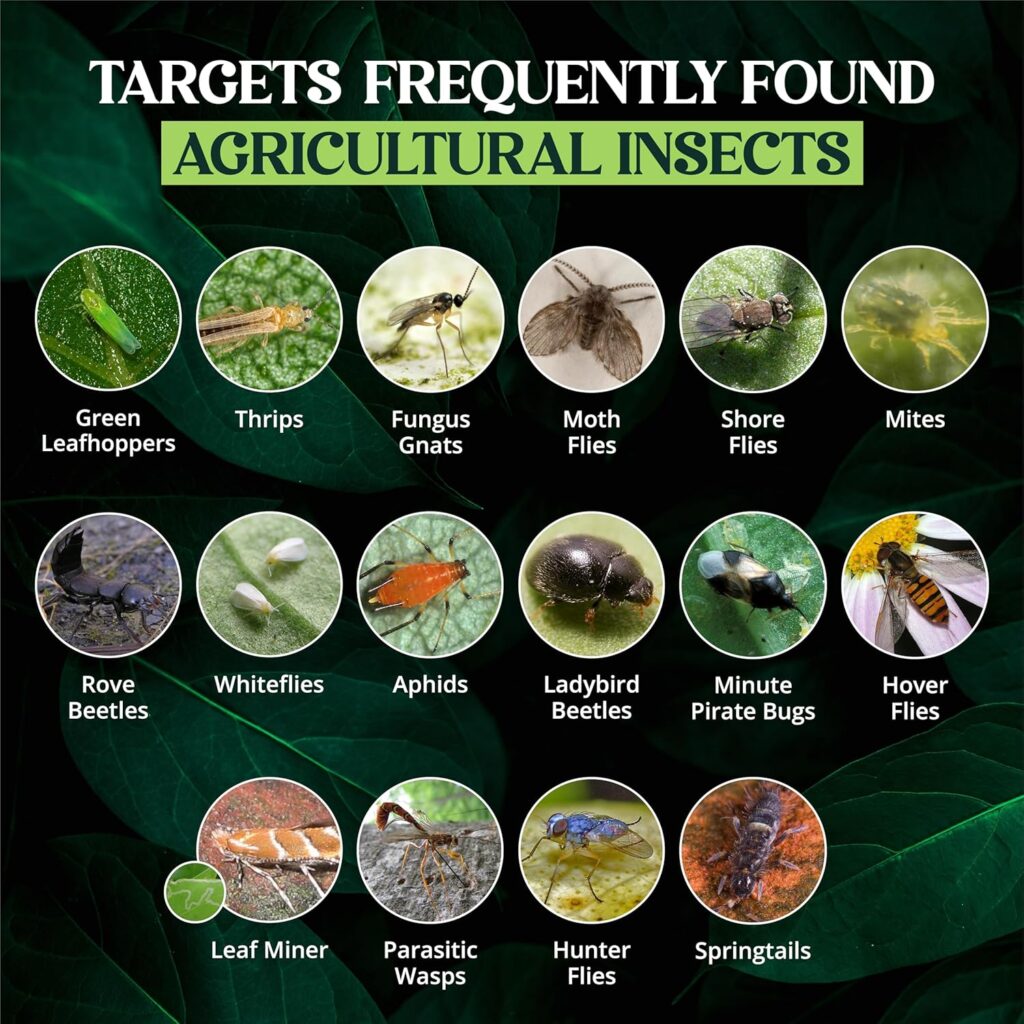
Fly strips target:
- Fungus gnats: Their larvae eat your root zone. They love damp, overwatered soil.
- Whiteflies: They hide under leaves, suck sap, and cause yellowing and sticky mold.
- Bonus: You’ll also catch thrips, aphids, and even leafminers—no spray required.
Where to Place Fly Traps for Maximum Impact

To make sticky traps work best in grow tents:
- Place them at plant canopy height
- Put extras near air vents and intakes
- Cover three levels: base, mid, and top
- Avoid strong airflow that might blow flies past the traps
Bonus: Try Yellow Sticky Cards for Precision
Yellow sticky traps are a grower’s favorite for a reason:
- Their color draws gnats and whiteflies fast
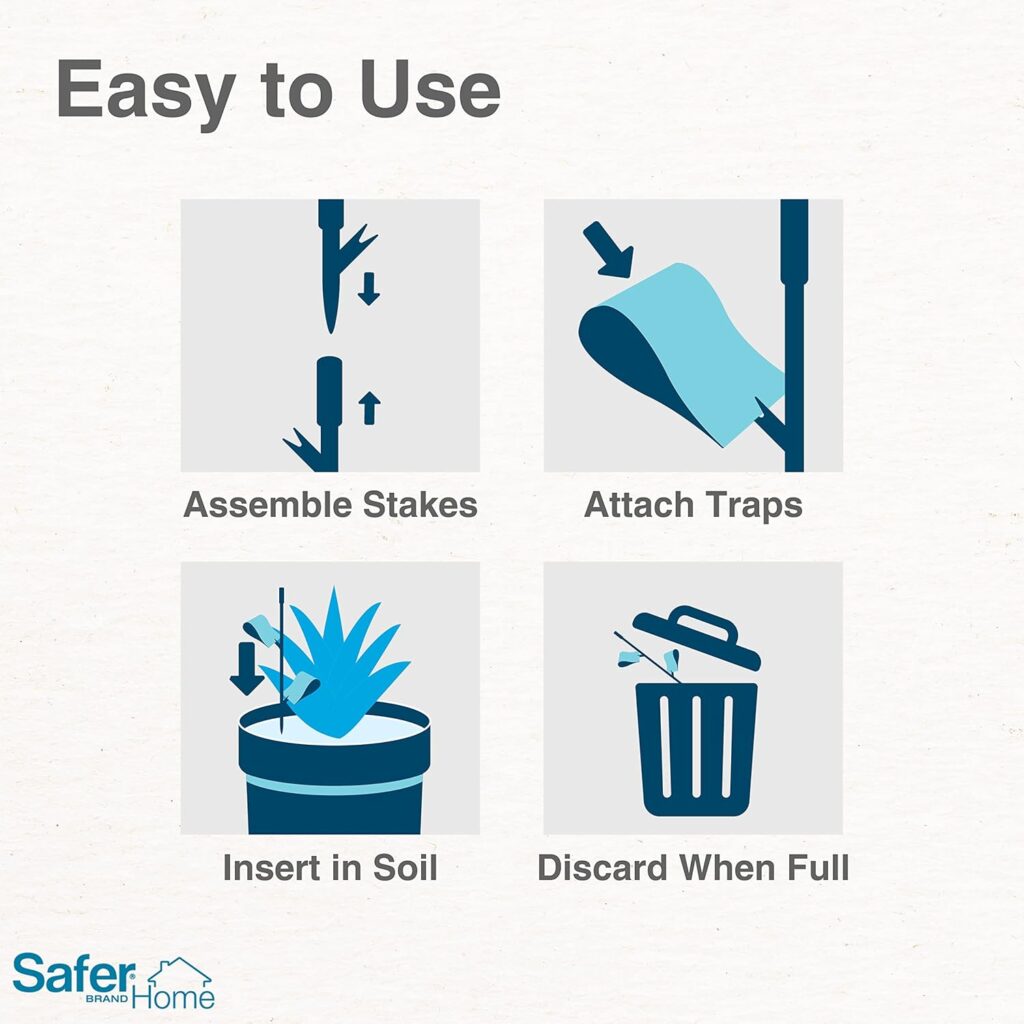
- You can stick them in pots using skewers
- Many come with grids so you can track pest numbers week to week
Tip: Use one trap per 10–25 sq ft, and replace monthly or when full.
Best Fly Strip Picks for Growers
- Gideal Yellow Sticky Traps: Perfect for tents and houseplants
- Catchmaster Sticky Fly Traps: Best for larger indoor grow rooms
Final Word
Whether you’re managing pests in your kitchen or dialing in a pest-free grow tent, fly strips are a non-toxic, low-cost solution that works.
Place them smart. Replace them regularly. And track your pest levels like a pro.
With just a few fly sticky traps and the right placement strategy, you’ll keep your cannabis plants clean, strong, and thriving—no harsh chemicals required.
FAQs
Q1. Where is the best place to hang fly strips?
The most effective locations for fly strips are near entry points like doors and windows, close to food preparation areas, and in warmer, higher parts of rooms where flies tend to gather. Hang them freely away from walls to capture flies from all directions.
Q2. How can I make fly strips more effective?
To maximize effectiveness, place fly strips in sunny areas near windows or doors, as flies are attracted to light. Position them in warmer, higher parts of rooms and ensure they can hang freely. Replace strips regularly and consider using scented options to attract more flies.
Q3. How do I safely remove fly strip adhesive from skin or clothing?
For skin, use vegetable oil to dissolve the adhesive, then wash with soap and water. For clothing, try freezing the item to harden the adhesive before scraping it off, or apply oil and blot before washing. Always test removal methods on a small area first.
Q4. Are fly strips safe to use around children and pets?
Most quality fly strips are non-toxic and safe for use around children and pets when properly installed. However, it’s crucial to hang them at least 6 feet high, well out of reach. If accidental contact occurs, use vegetable oil to remove the adhesive before washing with soap and water.
Q5. How often should I replace fly strips?
Replace fly strips when they become full of insects, lose their stickiness, or after 2-3 months of use, even if not completely covered. Regular replacement ensures optimal effectiveness in controlling fly populations.