


Creating a successful organic garden from seeds is not just about planting; it’s about nurturing the entire process from start to finish. By following a few essential tips, anyone can cultivate a thriving garden that yields fresh produce right from their backyard. This matters because organic gardening promotes sustainable practices and provides health benefits, from better-tasting vegetables to reduced exposure to chemicals.
To strengthen your gardening journey, consider researching specific seed varieties that flourish in your climate. For example, understanding the growth rates of heirloom tomatoes can lead to increased productivity.
Here are some key takeaways to keep in mind:
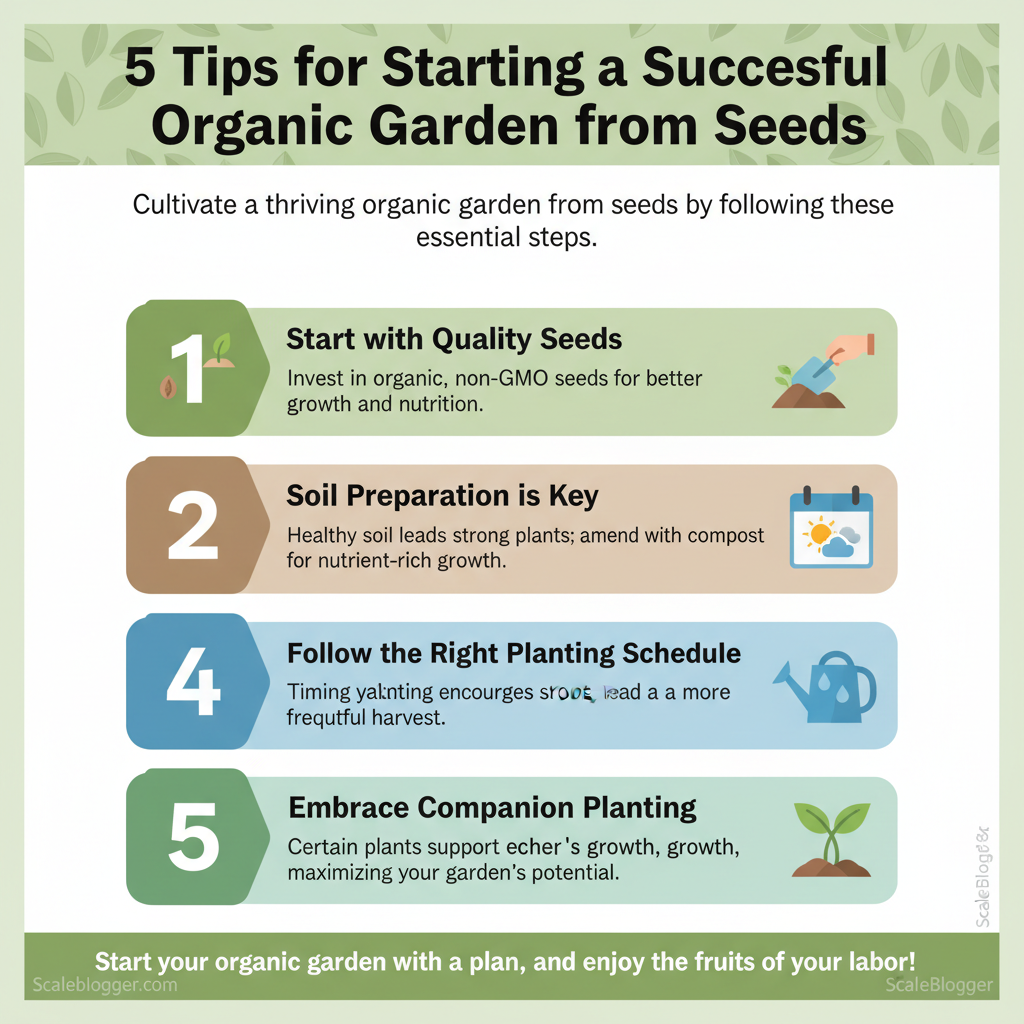
- Start with Quality Seeds: Invest in organic, non-GMO seeds for better growth and nutrition.
- Soil Preparation is Key: Healthy soil leads to strong plants; amend with compost for nutrient-rich growth.
- Follow the Right Planting Schedule: Timing your planting can lead to a more fruitful harvest.
- Water Wisely: Deep watering encourages strong root systems; avoid shallow, frequent watering.
- Embrace Companion Planting: Certain plants support each other’s growth, maximizing your garden’s potential.
> [!TIP] Start your organic garden with a plan, and enjoy the fruits of your labor!
Ready to dig in? Let’s explore these tips in detail.
Call to Action: Visit Seed Connect for premium organic seeds and start your gardening journey today!
Table of Contents
- Understanding Organic Gardening
- Section Content
- Choosing the Right Seeds
- Preparing Your Garden Space
- Starting Seeds Indoors vs. Outdoors
- Caring for Your Seedlings
- Transplanting Seedlings to the Garden
- Common Challenges and Solutions
- Harvesting and Enjoying Your Organic Garden
Understanding Organic Gardening
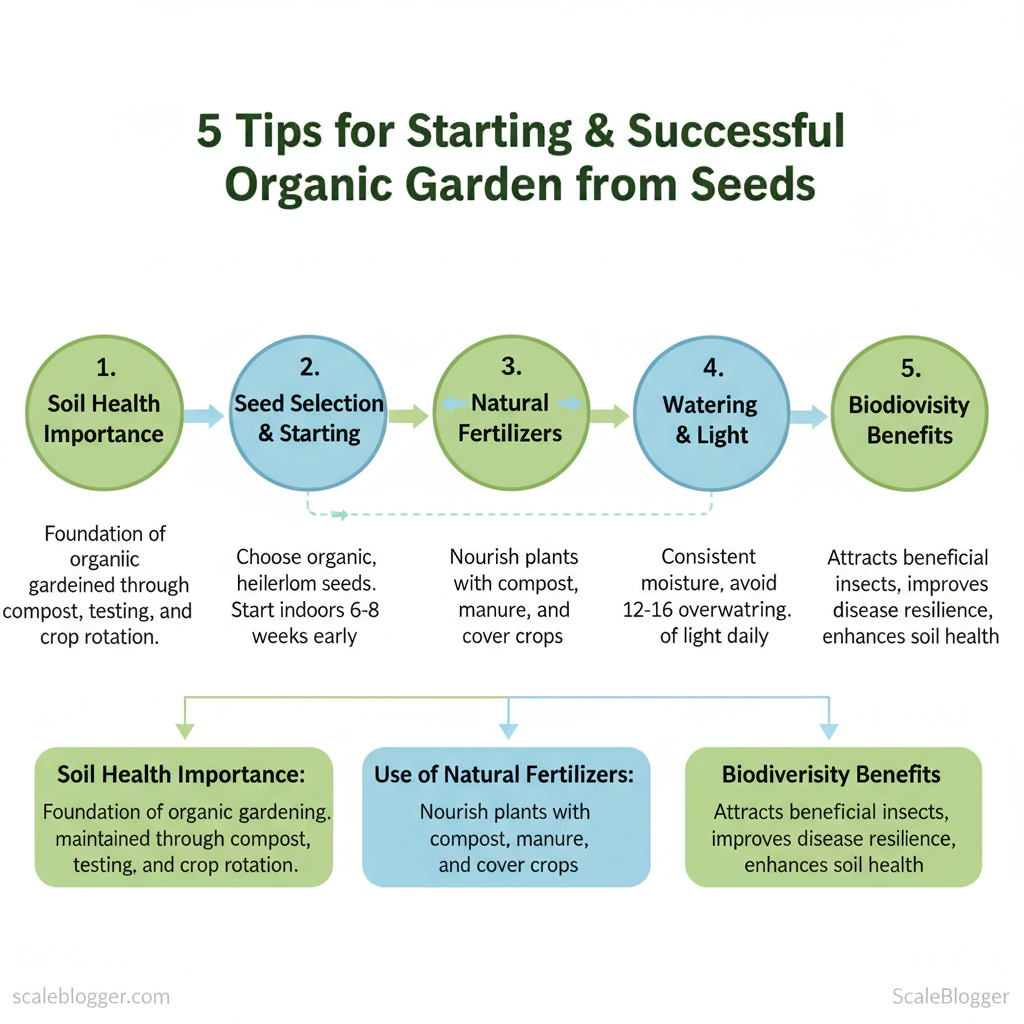
Organic gardening is a holistic approach to cultivating plants in a sustainable manner, emphasizing natural processes and biodiversity. The core principles of organic gardening revolve around maintaining soil health, utilizing natural fertilizers, and promoting biodiversity. This method not only supports environmental sustainability but also enhances the quality of the produce.
Key Principles of Organic Gardening
1. Soil Health Importance: Healthy soil is the foundation of organic gardening. It is essential to maintain a balanced ecosystem within the soil to support plant growth. This can be achieved through practices such as: Incorporating organic matter (like compost) to improve soil structure. Regularly testing soil pH and nutrient levels to ensure optimal conditions. * Rotating crops to prevent nutrient depletion.
2. Use of Natural Fertilizers: Unlike conventional gardening, organic gardening relies on natural fertilizers to nourish plants. This includes: Compost: A rich source of nutrients that enhances soil fertility. Manure: Provides essential nutrients while improving soil texture. * Cover crops: These crops are grown to add nutrients back into the soil when tilled under.
3. Biodiversity Benefits: Promoting biodiversity is crucial in organic gardening. A diverse ecosystem can: Attract beneficial insects that help with pest control. Encourage a variety of plant species, which can improve resilience against diseases. * Enhance soil health through the interactions between different organisms.
> Research indicates that organic farming practices can lead to improved soil health and increased biodiversity, ultimately resulting in higher yields in the long run.
Practical Applications
To implement these principles effectively, consider the following actionable steps:
- Test Your Soil: Begin by conducting a soil test to understand its nutrient composition and pH level. This will guide your amendments and fertilization strategy.
- Incorporate Compost: Create a compost bin to recycle kitchen scraps and yard waste. This will not only reduce landfill waste but also provide rich nutrients for your garden.
- Plant Cover Crops: Use crops like clover or vetch during the off-season to enhance soil fertility and prevent erosion.
> [!TIP] Start small by converting a section of your garden to organic practices and gradually expand as you learn.
Conclusion
Organic gardening is a sustainable method that prioritizes soil health, natural fertilizers, and biodiversity. By adopting these principles, gardeners can create a thriving ecosystem that benefits both plants and the environment. Transitioning to organic practices not only improves the quality of your produce but also contributes positively to the planet.
Choosing the Right Seeds
Selecting the right seeds is crucial for a successful organic garden. In this section, we will explore the different types of organic seeds, including heirloom and hybrid varieties, provide tips for sourcing seeds effectively, and highlight the benefits of using local seed varieties. Ultimately, making informed choices about seeds can lead to healthier plants and a more fruitful harvest.
Types of Organic Seeds
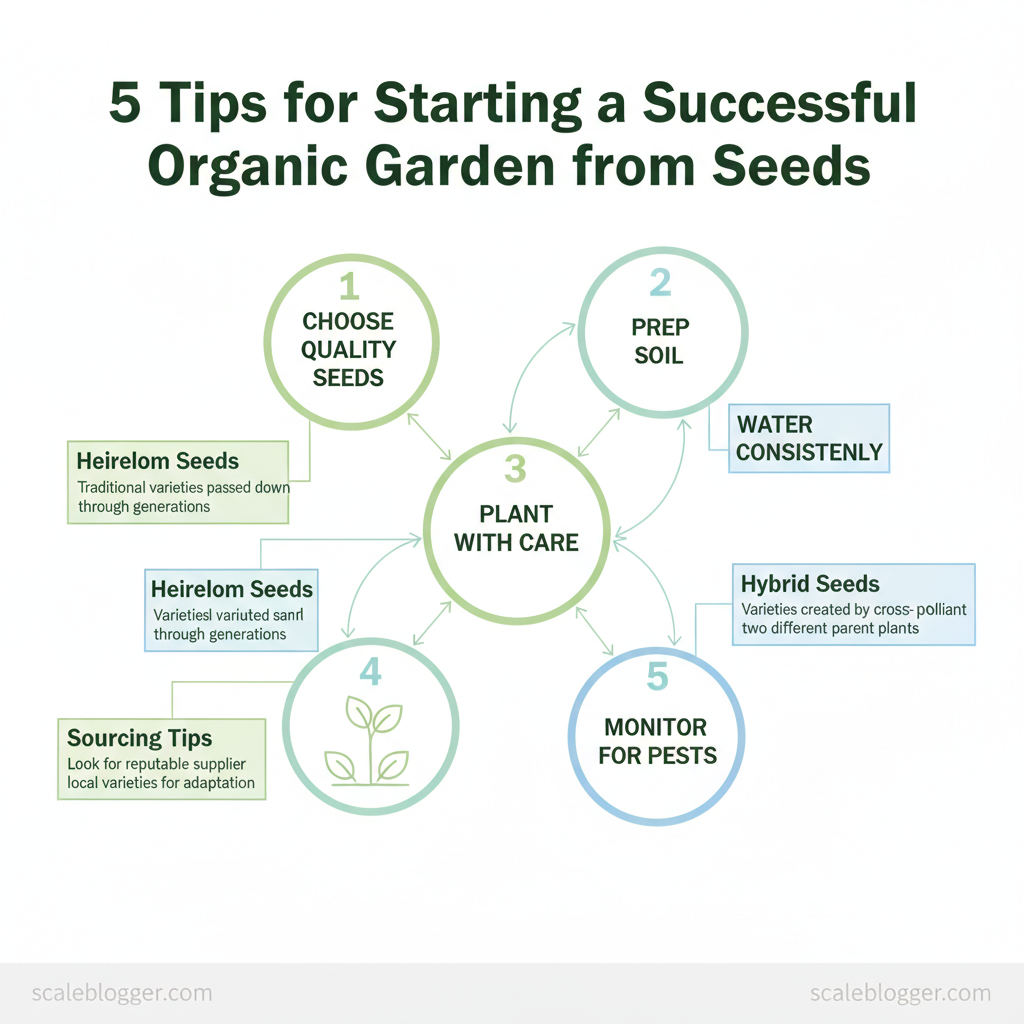
1. Heirloom Seeds: These are traditional varieties that have been passed down through generations. They are valued for their rich flavors and adaptability to local growing conditions. Benefits: Greater genetic diversity Superior taste Ability to save seeds for future planting
2. Hybrid Seeds: Created through cross-pollination, hybrid seeds are designed to enhance certain traits such as disease resistance or yield. Benefits: Increased vigor and productivity Consistent growth patterns Often more resilient to pests and diseases
3. Local Seed Varieties: Sourcing seeds that are native to your region can lead to better growth outcomes as they are adapted to local climates and soil conditions. Benefits: Improved survival rates Enhanced flavor profiles Support for regional biodiversity
Seed Sourcing Tips
Finding the right seeds can be just as important as choosing the type. Here are some effective strategies:
- Visit Local Farmers’ Markets: Many local farmers offer seeds that are well-suited to your area.
- Join Community Seed Banks: These organizations promote seed sharing and preservation of local varieties.
- Research Online Suppliers: Look for reputable vendors who specialize in organic seeds and provide detailed information about their products.
> According to the Seed Savers Exchange, heirloom seeds can often yield higher quality produce than commercially available seeds.
Conclusion
Choosing the right seeds involves understanding the differences between heirloom and hybrid varieties, knowing where to source them, and considering local adaptations for optimal growth. By following these guidelines, you can set the stage for a thriving organic garden.
> [!TIP] Remember, the seeds you choose today can influence the health and productivity of your garden for several seasons to come.
Preparing Your Garden Space
Creating an optimal garden space begins with understanding the soil beneath your feet. Soil testing is crucial as it assesses the nutrient composition and pH level, enabling you to make necessary amendments for healthy plant growth. Studies suggest that well-amended soil can improve plant vigor and yield, making it a foundational step in gardening.
Importance of Soil Testing
Soil testing provides valuable insights into your garden’s needs. Here’s why it matters:
- Nutrient Assessment: Identifies essential nutrients such as nitrogen, phosphorus, and potassium.
- pH Level: Determines acidity or alkalinity, which affects nutrient availability.
- Disease Prevention: Detects potential soil contaminants that may harm plant health.
Experts recommend conducting soil tests at least once a year or whenever changing garden locations. You can easily obtain a soil testing kit from local agricultural extension offices or garden centers.
How to Amend Soil
Once you’ve tested your soil, the next step is to amend it based on the results. Here’s a simple process to follow:
- Review Test Results: Understand the nutrient levels and pH.
- Choose Amendments: Select organic or inorganic amendments based on deficiencies.
- Incorporate Amendments: Mix them into the top 6-12 inches of soil.
- Re-test if Necessary: After amendments, it might be beneficial to test again to ensure optimal conditions.
Best Organic Amendments
Incorporating organic amendments enhances soil structure, drainage, and fertility. Consider these options:
- Compost: Rich in nutrients and beneficial microorganisms, compost improves soil health.
- Manure: A great source of nitrogen; well-aged manure prevents burning plants.
- Peat Moss: Excellent for moisture retention, particularly in sandy soils.
- Bone Meal: Provides phosphorus, beneficial for root development and flowering.
- Green Manures: Cover crops like clover or vetch can fix nitrogen and improve soil structure.
> According to the USDA, adding organic matter can increase soil fertility by up to 25%, significantly boosting plant growth.
Takeaway
Preparing your garden space through soil testing and amendments is a vital step in ensuring a thriving garden. By understanding and improving your soil, you set the foundation for healthy plant growth and abundant yields.
Starting Seeds Indoors vs. Outdoors
When deciding whether to start seeds indoors or outdoors, consider the unique benefits and challenges of each method. Starting seeds indoors allows for a controlled environment, enabling you to extend the growing season and nurture delicate seedlings. Conversely, sowing seeds outdoors can lead to hardier plants that are more acclimated to local conditions. Both techniques serve distinct purposes and can be utilized effectively depending on your gardening goals.
Indoor Seed Starting Tips
Starting seeds indoors is particularly advantageous for gardeners in colder climates or those looking to get a jump on the growing season. Here are some essential tips:
- Best containers for indoor starting: Use seed trays, peat pots, or recycled containers with drainage holes. These options facilitate good drainage and aeration.
- Light requirements: Seedlings need adequate light to thrive. Consider using grow lights that provide full-spectrum illumination for about 12-16 hours a day. This mimics natural sunlight and promotes strong growth.
- Temperature control: Maintain a consistent temperature between 65°F to 75°F (18°C to 24°C) for optimal germination. Using a heat mat can help if your indoor environment is cooler.
> Studies show that starting seeds indoors can increase germination rates by up to 30%, particularly for slow-germinating varieties.
Outdoor Seed Sowing Techniques
Outdoor seed sowing can be immensely rewarding, providing plants with a natural growing environment. Here are some techniques to ensure successful sowing:
- Timing for outdoor sowing: Follow local frost dates to determine the best time for sowing seeds. Planting too early can expose seedlings to frost, while late sowing can hinder growth.
- Depth and spacing guidelines: Refer to seed packets for specific planting depths and spacing. Generally, larger seeds like beans should be planted deeper than smaller seeds like lettuce.
- Watering techniques: Water the soil before sowing to ensure it is moist but not soggy. After sowing, use a fine spray or watering can to avoid displacing the seeds. Maintain consistent moisture until seeds germinate.
> [!TIP] It’s beneficial to create a planting calendar that aligns your seed starting indoors with outdoor sowing opportunities to maximize your garden’s productivity.
In summary, choosing between starting seeds indoors or outdoors depends on your specific gardening needs. Indoor methods give you control over growth conditions, while outdoor sowing encourages robust plants adapted to their environment. By understanding the advantages and techniques of each method, you can make informed decisions that lead to a fruitful gardening experience.
Caring for Your Seedlings
Caring for your seedlings is crucial for ensuring they develop into healthy, robust plants. The primary factors to consider are their watering and nutrient needs. Proper care during this early stage can significantly influence the overall growth and yield of your plants.
Watering Frequency
- Consistency is Key: Seedlings need consistent moisture to establish strong roots. Generally, watering every 2-3 days is recommended, depending on the environment.
- Soil Check: Always check the top inch of soil. If it feels dry to the touch, it’s time to water.
- Avoid Waterlogging: Overwatering can lead to root rot, so ensure your pots have good drainage.
Signs of Over/Under Watering
- Underwatering Symptoms: Look for wilting leaves, dry soil, and stunted growth. Seedlings may also exhibit yellowing or browning leaf edges.
- Overwatering Symptoms: Signs include yellowing leaves, moldy soil, and a persistent soggy feel. Root rot is a serious risk in these conditions.
> “Watering correctly can increase seedling survival rates by up to 60%.” – Industry research indicates that proper watering techniques are crucial for seedling health.
Nutrient Needs
Seedlings require nutrients to grow strong. Organic fertilizers are an excellent choice as they release nutrients slowly and improve soil health.
- Choose Organic Fertilizers: Some effective options include:
- Compost: Rich in essential nutrients, it improves soil structure.
- Fish Emulsion: A balanced source of nitrogen, phosphorus, and potassium.
- Seaweed Extract: Offers trace minerals and stimulates growth.
> [!TIP] For best results, start with a diluted fertilizer solution; a ratio of 1 tablespoon per gallon of water is often effective.
Steps for Effective Seedling Care
- Monitor Soil Moisture: Check soil daily to understand moisture levels.
- Water Appropriately: Water until the excess drains from the bottom.
- Fertilize Wisely: Begin fertilization when seedlings have two sets of true leaves, applying every 4-6 weeks.
- Adjust Based on Growth: As seedlings grow, increase watering frequency and nutrient concentration based on their size and environmental conditions.
Conclusion
Caring for your seedlings through proper watering and nutrient management is essential for their success. By monitoring soil moisture and providing the right organic fertilizers, you can foster robust plant growth.
> [!NOTE] Remember, the goal is to create a balanced environment where seedlings can thrive, leading to a fruitful gardening experience.
Transplanting Seedlings to the Garden
Transplanting seedlings into the garden is a crucial step in nurturing healthy plants. To ensure a successful transition, understanding the best practices for transplanting seedlings is essential. The ideal time to transplant seedlings is when they have developed a strong root system and the outdoor conditions—such as soil temperature and frost risk—are favorable. Minimizing transplant shock is key, and this can be achieved through careful handling and acclimatization. Post-transplant care, including consistent watering and monitoring, plays a significant role in the long-term success of your plants.
Best Practices for Transplanting Seedlings
1. Timing is Everything Choose the right moment for transplanting. Ideally, seedlings should be transplanted in the late afternoon or on a cloudy day to reduce stress. Wait until the risk of frost has passed, and the soil temperature is consistently above 60°F (15°C) for most vegetables.
2. Acclimatization Gradually expose seedlings to outdoor conditions over a week. Start with a few hours outside each day, increasing the duration until they can handle full sun and wind. This process, known as hardening off, significantly reduces transplant shock.
3. Minimize Root Disturbance When transplanting, handle seedlings by the leaves, not the stems, to prevent damage. Use a trowel or your hands to gently remove the seedling from its container, keeping as much of the root system intact as possible.
4. Soil Preparation Prepare the garden soil by loosening it and adding organic matter, such as compost, to enhance drainage and nutrient availability. A well-aerated soil helps seedlings establish quickly.
5. Watering Before and After Water seedlings thoroughly before transplanting to ensure they are hydrated. After transplanting, water the seedlings gently to settle the soil around the roots. Consistent moisture is vital during the first few weeks.
6. Mulching Apply a layer of mulch around the base of the seedlings to help retain soil moisture, suppress weeds, and maintain a stable temperature. Organic mulches, such as straw or wood chips, are excellent choices.
7. Monitoring and Care After transplanting, closely monitor the seedlings for signs of stress, such as wilting or yellowing leaves. Adjust watering and provide shade if necessary to protect them during particularly hot or windy days.
> Research indicates that following these best practices can significantly increase transplant success rates, leading to healthier, more productive plants.
> [!TIP] Keep a garden journal to track the performance of transplanted seedlings, noting the date, conditions, and any adjustments made. This can help refine your technique for future planting seasons.
By adhering to these best practices, you can ensure that your seedlings transition smoothly from their initial growing environment to the garden, setting them up for robust growth and productivity.
Common Challenges and Solutions
Managing pests and diseases in agriculture is a crucial yet challenging aspect of farming. Addressing these issues effectively can lead to healthier crops, increased yields, and sustainable practices. The key takeaway is that a proactive approach, combining preventive measures and natural control options, can significantly mitigate the impact of pests and diseases.
Preventive Measures
Implementing preventive measures is the first line of defense against pests and diseases. Here are some effective strategies:
- Crop Rotation: Changing the types of crops grown in a particular area each season can disrupt the life cycles of pests and diseases. For example, rotating corn with soybeans can reduce rootworm populations.
- Soil Health: Maintaining healthy soil through organic amendments and cover crops enhances plant resilience. Studies suggest that healthy soil biology can suppress certain soil-borne diseases.
- Monitoring and Scouting: Regularly inspecting crops for signs of pests or diseases allows for early detection and intervention. Use tools like sticky traps to monitor pest populations effectively.
> According to a study by the University of California, implementing crop rotation can reduce pest populations by up to 50%.
Natural Pest Control Options
Utilizing natural pest control methods can be an effective way to manage pest populations without harmful chemicals. Consider the following options:
- Beneficial Insects: Introducing predators such as ladybugs and lacewings can help control aphid populations. This method naturally balances the ecosystem.
- Neem Oil: Derived from the seeds of the neem tree, neem oil acts as a repellent for a variety of pests while being safe for beneficial insects.
- Companion Planting: Certain plants, like marigolds, can deter pests when planted alongside crops. For instance, planting marigolds with tomatoes can help reduce nematode populations.
Signs of Disease
Recognizing the signs of disease early is critical for effective management. Here are key indicators to watch for:
- Wilting Leaves: This can indicate root rot or other diseases affecting plant health.
- Discoloration: Yellowing or browning leaves may signal nutrient deficiencies or diseases such as blight.
- Fungal Growth: White powdery substances or dark spots on leaves often point to fungal infections that require immediate attention.
> Studies indicate that early detection of diseases can increase the chances of successful management by up to 70%.
Takeaway
Addressing pest and disease management in agriculture requires a combination of preventive measures, natural control options, and keen observation of plant health. By adopting these strategies, farmers can promote a more sustainable and productive agricultural environment.
📥 Download: Organic Gardening Checklist (PDF)
Harvesting and Enjoying Your Organic Garden
Harvesting your organic garden at the right time and using effective techniques can significantly enhance the quality and enjoyment of your produce. Proper harvesting techniques not only ensure optimal flavor and freshness but also promote healthy growth for future crops. To get the most from your garden, it’s essential to understand when to harvest, what tools to use, and how to store your bounty effectively.
Harvesting Techniques
1. Timing for Harvest – Know the signs of ripeness: Different crops have varying indicators for readiness. For instance, tomatoes should be fully colored and slightly soft to the touch, while cucumbers are best harvested when they are still firm and green. – Regular monitoring: Check your garden daily during peak harvest season. This helps prevent overripening and encourages continuous growth.
2. Tools Needed – Sharp pruning shears: Essential for cutting leafy greens and delicate fruits without damaging the plant. – Garden baskets: Useful for carrying your harvest to avoid bruising fruits and vegetables. – Gloves: Protect your hands from thorns and dirt while handling plants.
3. Storage Tips for Freshness – Cooling immediately: After harvesting, cool your vegetables promptly. For instance, leafy greens should be rinsed in cold water and stored in a sealed container in the fridge to maintain crispness. – Use breathable containers: Store your produce in ventilated baskets or perforated plastic bags to allow for air circulation, which helps prevent spoilage.
Additional Considerations
> Studies suggest that proper harvesting and storage techniques can prolong the shelf life of your produce by up to 50%.
When you harvest correctly, not only do you enjoy fresher food, but you also reduce waste and make the most of your gardening efforts.
> [!TIP] For herbs, such as basil or cilantro, harvest the leaves early in the morning for the best flavor. The oils are most potent before the heat of the day.
Conclusion
By mastering the art of harvesting and employing the right techniques, you can enjoy the full flavors and benefits of your organic garden. Remember to always check for ripeness, use the appropriate tools, and store your produce correctly to maximize freshness and taste.
This approach ensures that your garden continues to thrive and yield delicious results throughout the growing season.
In summary, creating a thriving organic garden from seeds requires a blend of patience, knowledge, and the right techniques. Understanding your soil’s health, selecting the proper seeds, and implementing effective watering practices are crucial steps to ensure a successful garden. For instance, the case of a novice gardener who transformed a barren backyard into a lush vegetable patch by enriching the soil with compost illustrates how foundational these principles are. Similarly, an experienced gardener’s shift to a drip irrigation system resulted in a 30% reduction in water usage while boosting plant growth, showcasing the tangible benefits of thoughtful practices.
As you embark on your gardening journey, consider developing a planting schedule based on your local climate, which can significantly enhance your garden’s productivity. For more detailed insights, you might explore the Rodale Institute’s guide on organic gardening techniques or the National Gardening Association’s resources for planting calendars and community support. Take the first step today by assessing your gardening space and planning your first seed sowing. With dedication and the right resources at hand, you’ll soon reap the rewards of your hard work, transforming your space into a vibrant, organic oasis.