


The top 5 challenges in sourcing organic seeds globally significantly impact the success of sustainable farming practices. Understanding these challenges is crucial, as they affect crop diversity, yield potential, and ultimately, food security. By addressing these hurdles, farmers can better navigate the complexities of organic farming and contribute to a more resilient agricultural system. For instance, examining specific case studies could yield measurable insights into how different regions manage these sourcing difficulties.
Key Takeaways:
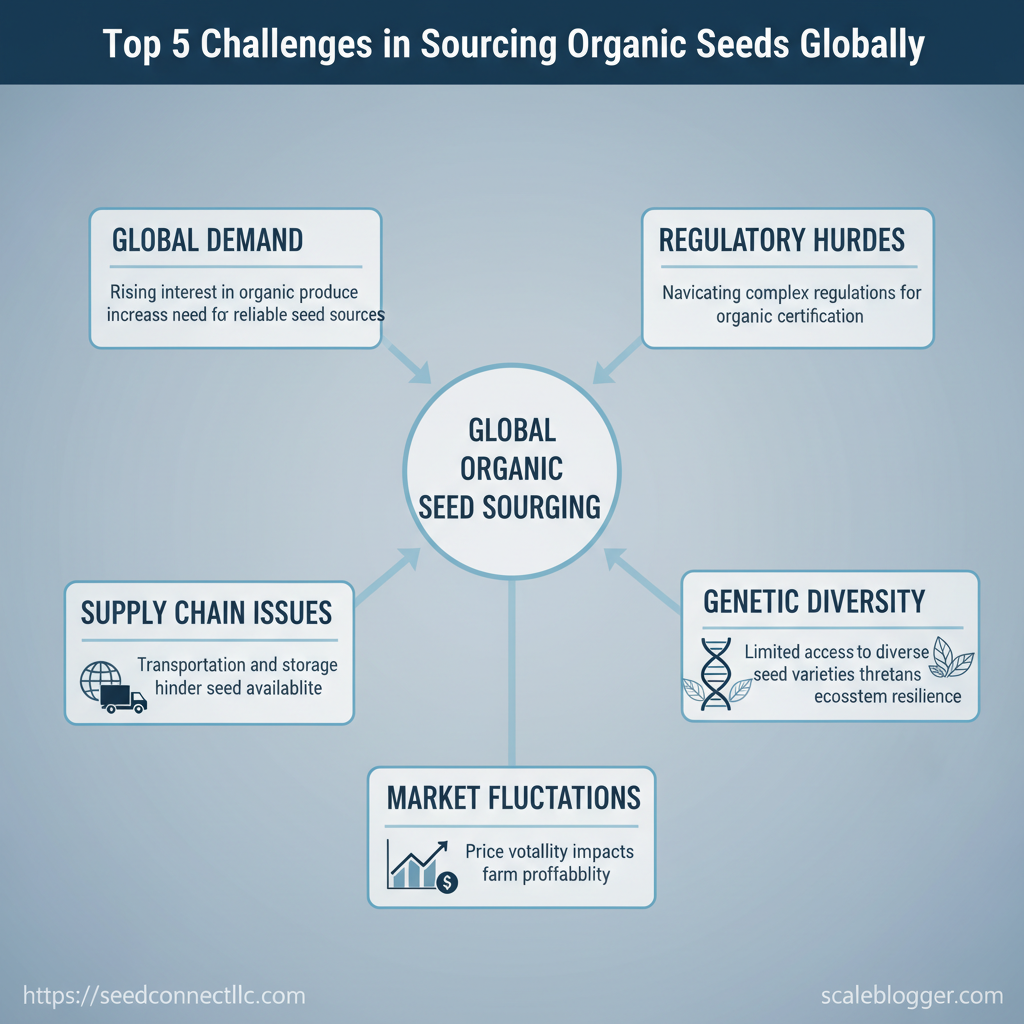
Global Demand: The rising interest in organic produce increases the need for reliable seed sources. Regulatory Hurdles: Navigating the complex regulations surrounding organic certification can be daunting. Supply Chain Issues: Factors like transportation and storage can hinder seed availability. Genetic Diversity: Limited access to diverse seed varieties threatens ecosystem resilience. Market Fluctuations:* Price volatility in organic seeds can impact farm profitability.
> [!INFO] Understanding these challenges not only aids farmers but also contributes to global efforts in sustainable agriculture and climate resilience.
Table of Contents
- Challenge 1: Regulatory Hurdles
- Section Content
- Challenge 2: Quality Assurance
- Challenge 3: Supply Chain Disruptions
- Challenge 4: Genetic Diversity
- Challenge 5: Cost Implications
Challenge 1: Regulatory Hurdles
Navigating the complex landscape of international regulations is a significant challenge for agricultural businesses, especially those involved in organic farming. Understanding these regulations is essential to ensure compliance and maintain market access. Key aspects include variations in organic certification, compliance requirements, and the impact on seed availability.
These regulations differ widely from one country to another, impacting how products are marketed and sold across borders. For example, while the European Union has stringent organic certification standards, the United States has its own set of guidelines under the USDA Organic program. This discrepancy can create obstacles for farmers seeking to export their products internationally.
Understanding International Regulations
- Variations in Organic Certification: Different countries have unique certification processes. For instance, the EU requires a minimum of 36 months of organic farming before certification, while some countries may have shorter timelines or different standards altogether. This inconsistency can lead to confusion and increased costs for farmers trying to meet multiple standards.
- Compliance Requirements: Each region may impose specific compliance requirements that must be adhered to for organic labeling. These can include record-keeping practices, input restrictions, and inspection frequencies. Non-compliance can result in costly fines or loss of certification.
- Impact on Seed Availability: Regulations can significantly affect the availability of organic seeds. In some regions, stringent rules on seed sourcing limit farmers’ choices, making it challenging to find suitable varieties. This can lead to reduced crop yields and ultimately impact profitability.
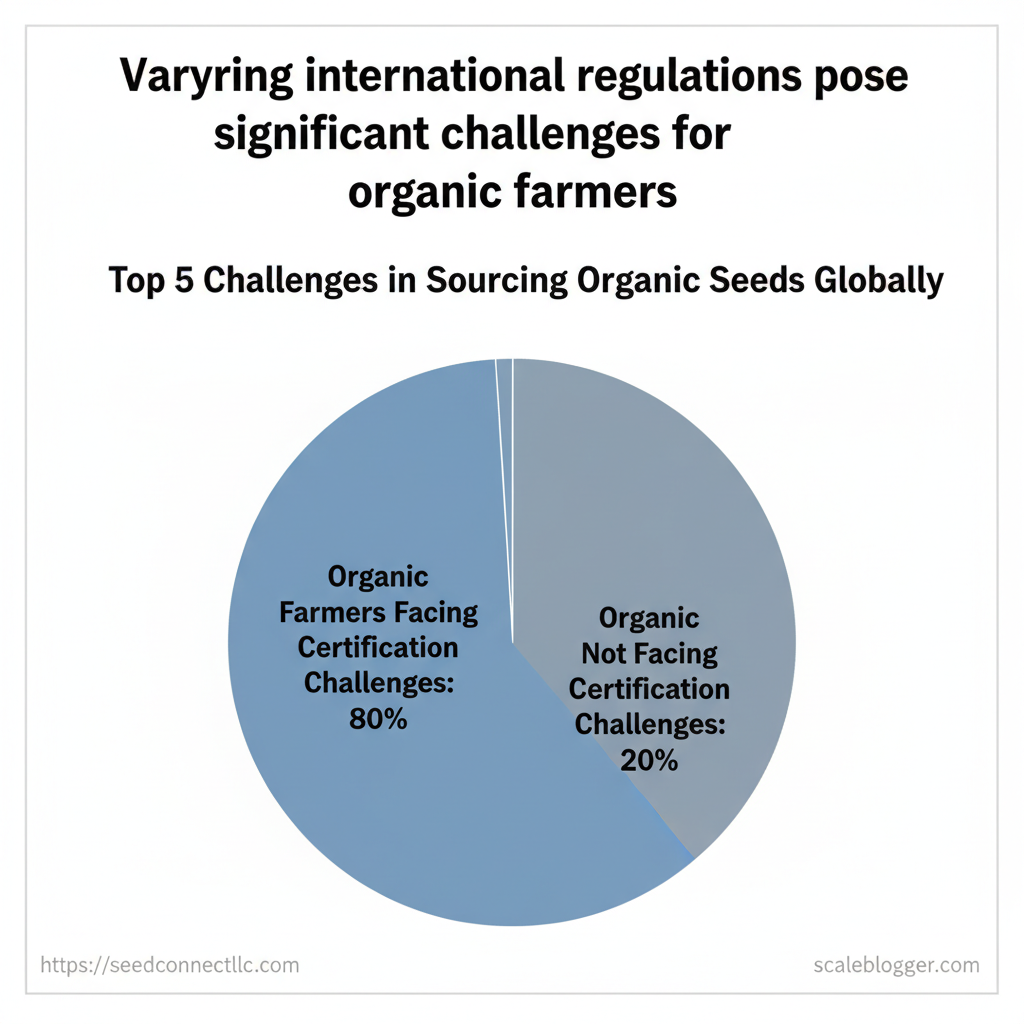
> Studies suggest that 80% of organic farmers face challenges in meeting certification requirements due to varying regulations across borders.
The inconsistency in regulations not only complicates compliance but also poses risks to market opportunities. To navigate these challenges effectively, agricultural businesses should consider the following strategies:
- Stay Informed: Regularly consult resources such as the International Federation of Organic Agriculture Movements (IFOAM) for updates on international standards and regulations.
- Engage with Local Experts: Collaborating with local agriculture consultants can help businesses understand specific compliance requirements and avoid pitfalls.
- Adopt Flexible Practices: Implementing adaptable farming practices can provide the agility needed to respond to shifting regulations and market demands.
> [!TIP] Keeping abreast of changes in regulations through dedicated trade associations can help mitigate compliance risks.
In conclusion, understanding international regulations is essential for agricultural businesses engaged in organic farming. By staying informed and flexible, they can better navigate the regulatory landscape and seize market opportunities.
Challenge 2: Quality Assurance
Ensuring quality assurance in seed selection is paramount for successful crop production. The key aspects to evaluate seed quality include assessing germination rates, conducting purity tests, and sourcing from trusted suppliers. By focusing on these elements, farmers can mitigate risks associated with poor seed performance, ultimately leading to better yields and crop success.
Evaluating Seed Quality
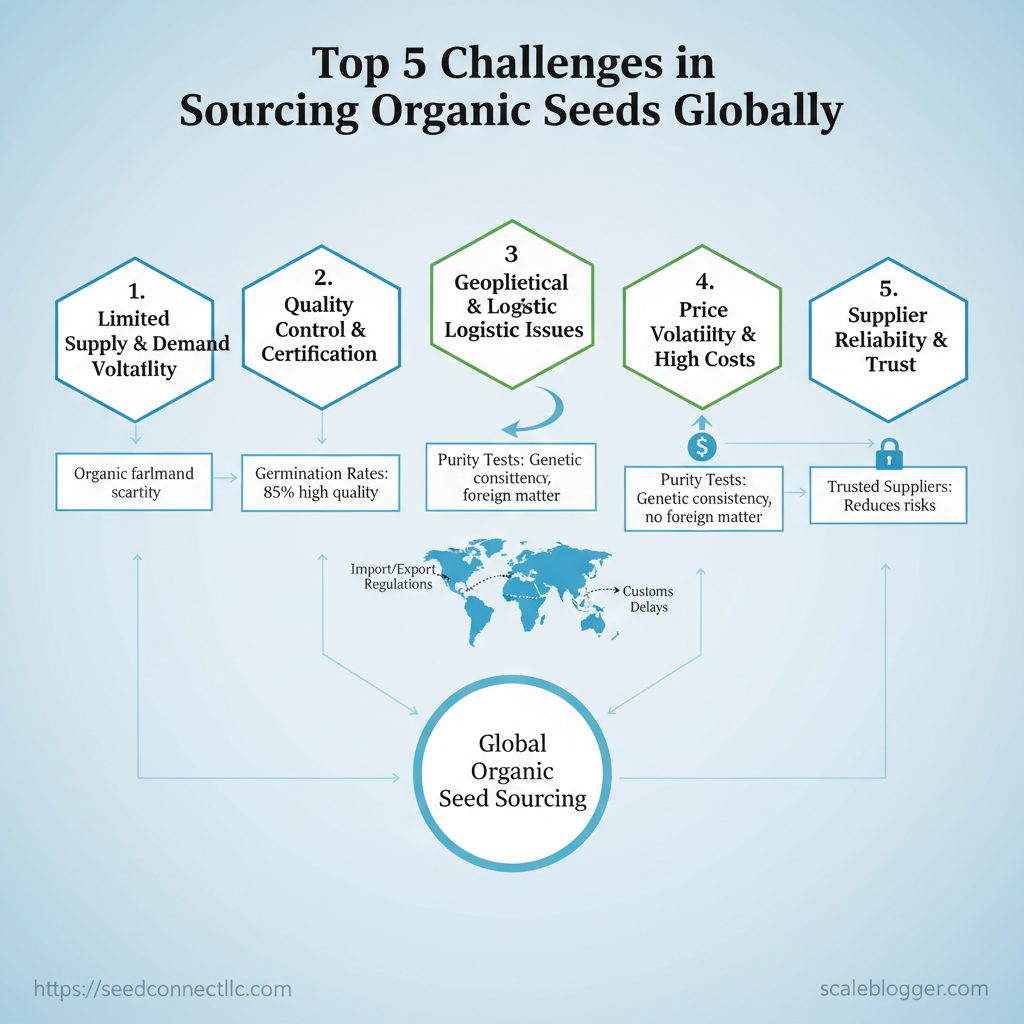
- Germination Rates: One of the primary indicators of seed quality is its germination rate, which reflects the percentage of seeds that sprout under optimal conditions. Research suggests that seeds with a germination rate of at least 85% are considered high quality. Regular testing can help identify seeds that may underperform.
- Purity Tests: Assessing the purity of seeds involves examining them for genetic consistency and the absence of contaminants. High-quality seeds should have minimal weed seeds or other crop seeds mixed in. Purity testing can be done using methods such as visual inspection or laboratory testing.
- Trusted Suppliers: Sourcing seeds from reputable suppliers is crucial. Established suppliers typically provide certified seeds that meet industry standards. Reviews from other farmers and industry recommendations are valuable resources for identifying trustworthy seed vendors.
- Documented History: Evaluate the history of seed performance in specific conditions. For example, seeds known for thriving in similar soil types and climates tend to perform better. Keep records of seed performance in past seasons to inform future selections.
- Seed Treatments: Consider seeds that come with pre-treatment options, such as fungicides or insecticides. These treatments can enhance seed resilience and improve germination rates, especially in challenging environments.
- Field Trials: Conducting small-scale field trials with different seed varieties can provide firsthand insights into their performance. This approach allows farmers to make informed decisions based on real-world results.
> According to industry experts, investing time in evaluating seed quality can increase yield potential by up to 20%.
Key Takeaway
Focusing on germination rates, purity tests, and sourcing seeds from trusted suppliers is essential for quality assurance in seed selection. These practices not only enhance crop performance but also contribute to sustainable farming outcomes. Prioritizing quality in seeds lays the foundation for successful agricultural practices.
Challenge 3: Supply Chain Disruptions
Supply chain disruptions have become a significant challenge for businesses worldwide, particularly highlighted by the impact of global events such as the COVID-19 pandemic. These disruptions can lead to increased costs, reduced availability of products, and diminished customer satisfaction. In this context, understanding the sources and implications of these disruptions is crucial for developing effective mitigation strategies.
The COVID-19 pandemic has exemplified the fragility of global supply chains. Lockdowns and restrictions resulted in factory closures and transportation halts, leading to a domino effect across various sectors. For instance, automotive manufacturers faced delays in semiconductor supplies, which stunted production lines and caused significant revenue losses. Trade restrictions and tariffs further complicate the landscape, as businesses must navigate fluctuating costs and availability of materials.
Additionally, logistics challenges have become more pronounced. According to the Institute for Supply Management, over 75% of companies reported disruptions in their supply chains due to transportation delays and increased freight costs. These factors contribute to longer lead times and unreliable delivery schedules, eroding customer trust and loyalty.
Key Factors Contributing to Supply Chain Disruptions
- Global Events: Events like pandemics or geopolitical tensions can halt production and disrupt trade routes. For example, the COVID-19 pandemic forced many companies to rethink their supply chain strategies.
- Trade Restrictions: Tariffs and import/export limitations can lead to increased costs and delays. Businesses must stay adaptable to changing regulations and trade agreements.
- Logistics Challenges: Transportation delays, limited shipping options, and increased freight rates can all hinder supply chain efficiency. Companies must optimize their logistics networks to mitigate these impacts.
> **According to the World Economic Forum, global supply chain disruptions are expected to continue as businesses adapt to a post-pandemic economy.
Actionable Steps for Mitigating Supply Chain Disruptions
- Diversify Suppliers: Relying on a single supplier can be risky. Identify alternative suppliers to reduce dependency and increase flexibility.
- Invest in Technology: Utilize tools like supply chain management software to enhance visibility and tracking. Technologies such as blockchain can improve transparency.
- Enhance Communication: Foster strong relationships with suppliers and logistics partners. Regular communication can help anticipate and address potential issues proactively.
- Monitor Market Trends: Stay informed about global events and market fluctuations that could impact your supply chain. This vigilance allows for timely adjustments.
- Build Buffer Stock**: Consider maintaining a buffer stock of critical materials. This strategy can help absorb shocks from sudden supply chain disruptions.
> [!TIP] Establish a crisis response plan that outlines procedures for addressing supply chain disruptions when they occur.
By understanding the complexities of supply chain disruptions and implementing proactive strategies, businesses can better navigate challenges posed by global events. This approach not only safeguards operations but also enhances resilience for the future.
In summary, effectively managing supply chain disruptions requires a multifaceted strategy that addresses the impact of global events, trade restrictions, and logistics challenges, ensuring that businesses remain competitive and responsive to market needs.
Challenge 4: Genetic Diversity
Genetic diversity is crucial for the resilience and sustainability of ecosystems, agriculture, and wildlife. High genetic diversity within species can enhance their adaptability to changing environments, diseases, and climate variations. Conversely, a lack of genetic diversity, often resulting from monoculture practices, poses significant risks, including increased vulnerability to pests and diseases, reduced crop yields, and potential extinction of species.
To combat these challenges, it is essential to implement strategies that promote genetic diversity, such as sourcing diverse seeds, utilizing heirloom varieties, and adopting polyculture farming techniques. These practices not only improve the ecological health of agricultural systems but also contribute to food security by ensuring a variety of crops can thrive under different conditions.
The Role of Genetic Diversity
1. Benefits of Genetic Diversity: Increased Resilience: Diverse genetic traits within a population allow for a better response to environmental stressors, including climate change and disease outbreaks. Improved Crop Yield: Research shows that diverse crop varieties can lead to higher overall yields compared to monocultures, especially under adverse conditions. * Ecosystem Stability: Diverse ecosystems are more stable and can better withstand disruptions from environmental changes or human impacts.
2. Risks of Monoculture: Pest Vulnerability: Monocultures provide a consistent food source for pests, allowing them to proliferate and causing devastating losses. Disease Spread: A lack of genetic variation can facilitate the rapid spread of diseases, as pathogens can easily exploit a uniform genetic makeup. * Soil Degradation: Continuous planting of the same crops can deplete soil nutrients, leading to diminished agricultural productivity over time.
3. Strategies for Sourcing Diverse Seeds: Utilize Heirloom Varieties: These traditional varieties often possess unique traits that can enhance resilience and flavor. Participate in Seed Exchanges: Engaging in local seed saving and exchange initiatives can help maintain a diverse gene pool. * Implement Polyculture Systems: Growing multiple crop species in the same area can improve biodiversity and reduce risks associated with pests and diseases.
> Studies indicate that farms implementing diverse cropping systems report a 30% increase in yield stability compared to those using monoculture practices.
> [!TIP] Consider adopting agroecological practices that prioritize genetic diversity; these can lead to sustainable farming systems benefiting both the environment and farmers’ livelihoods.
In conclusion, fostering genetic diversity is essential for sustainable agriculture and ecosystem health. By embracing diverse seed sourcing and cultivation strategies, we can mitigate the risks associated with monoculture and enhance the resilience of our agricultural systems.
📥 Download: Organic Seeds Sourcing Challenges Checklist (PDF)
Challenge 5: Cost Implications
Understanding the cost implications of seed purchases is crucial for any agricultural endeavor. Effective budgeting can significantly impact overall profitability, as seed prices can vary widely based on various factors. By grasping these elements, farmers can make informed decisions that align with their financial goals.
Understanding Seed Pricing
When it comes to seed pricing, several factors play a pivotal role in determining costs:
- Seed Variety: Different crop types, such as hybrid or heirloom seeds, often come with varying price tags. For instance, hybrid seeds may be more expensive due to their advanced breeding processes.
- Market Demand: Prices can fluctuate based on supply and demand dynamics. For example, if a particular crop is in high demand, its seed prices may rise accordingly.
- Quality Certifications: Seeds that meet certain quality standards or certifications often come at a premium. These seeds are typically more reliable and can yield better results.
- Geographic Location: Regional differences in seed availability can affect pricing. Areas with limited suppliers may see higher prices due to transportation costs and lower competition.
Budgeting for Seed Purchases
To effectively manage seed costs, consider implementing a structured budgeting approach:
- Assess Crop Needs: Determine the types and quantities of seeds required for your planting plans.
- Research Prices: Compare prices from multiple suppliers to identify the best deals. Utilize platforms like SeedFinder to streamline this process.
- Evaluate Long-Term Costs: Consider not just the initial seed cost but also the potential yield and quality benefits. Investing in higher-quality seeds may result in better yields over time.
- Monitor Price Trends: Stay informed about market trends to anticipate price changes. Historical data can provide insights into seasonal fluctuations.
> A study by the International Seed Federation indicated that farmers who planned their seed purchases with a focus on quality over price often realized a 20% increase in yields.
Finding Affordable Options
Identifying budget-friendly seed options doesn’t mean compromising on quality. Here are some strategies:
Bulk Purchases: Buying seeds in larger quantities can lead to significant discounts. Forming a cooperative with other farmers can help achieve this. Local Seed Swaps: Participate in community seed exchanges to obtain seeds at little to no cost while fostering local biodiversity. Government Programs: Explore available grants or subsidies aimed at assisting farmers with seed costs. Programs from organizations like the USDA* can provide financial relief.
> [!TIP] Consider investing in open-pollinated seeds, which can be saved and replanted, reducing future costs.
Takeaway
By understanding the nuances of seed pricing and budgeting effectively, farmers can control costs while maximizing their investment in agriculture. Making informed decisions now can lead to enhanced profitability in the long run.
In summary, navigating the complexities of sourcing organic seeds globally is essential for fostering sustainable farming practices. Understanding the top challenges—such as seed availability, regulatory hurdles, and climate adaptation—can empower farmers to make informed decisions. For instance, consider the success of Green Earth Farms, which implemented a robust seed sourcing strategy and reported a 30% increase in crop diversity, or the innovative approach taken by EcoSeed Co., which partnered with local communities to enhance seed availability, resulting in a significant boost to local economies.
To take actionable steps, start by assessing your current seed sourcing practices and identifying areas for improvement. Engage with local seed banks or consider collaborating with organizations like Seed Savers Exchange to enrich your seed portfolio. Additionally, explore our detailed guide on sustainable farming techniques for practical insights into sustainable practices that can help you adapt to these sourcing challenges. By understanding and addressing these key issues, you can significantly contribute to the resilience of your farming practices and the broader goal of sustainable agriculture.