

If you’re pouring tap water into your glass thinking it’s clean—think again.
In 2023, the EPA revealed that PFAS “forever chemicals” were found in over 42% of U.S. tap water. That’s why water purifiers aren’t just a smart buy in 2025—it’s a necessity.
After testing multiple systems side-by-side in real homes, we found that not all filters are created equal.
Some removed chlorine but missed lead. Others tackled pesticides but let microplastics slip by.
We ran tests on everything from portable filters to full-on reverse osmosis systems to uncover what’s actually worth your money.
Whether you’re growing clean cannabis or want safer drinking water, we’ve got your back.
Table of Contents
Which Water Filter System Is Best for You? Let’s Break It Down.
Picking the right water purifier is like choosing the right tool for your grow room or kitchen—it depends on your space, budget, and what’s in your water.
1. Pitcher Filters (Best for Small Homes or Light Use)
Think: Easy, affordable, no setup.
If you’re just trying to get rid of that chlorine taste in your tap water, pitcher filters like the Brita UltraMax Water Dispenser are your go-to.
- Holds up to 18 cups—great for small families or apartment growers.
- Improves taste and odor but doesn’t remove tough contaminants like lead or PFAS.
- No installation is required—just fill and pour.
Perfect if you’re on a budget or only worried about basic filtration.
2. Under-Sink Filters (Best for Serious Water Quality)
Think: Hidden powerhouse for clean cooking & drinking water.
If you want to remove up to 99% of lead, mercury, PFAS, and microplastics, the APEC ROES-50 reverse osmosis system is a game-changer.
- Sits quietly under your sink—no countertop clutter.
- Filters water for cooking, coffee, or mixing nutrients without harmful residue.
- A smart pick for homes or growers who want purified water on demand.
3. Whole-House Filters (Best for Large Families or Well Water)
Think: Clean water at every tap—showers, sinks, and hoses.
Want to bathe in chlorine-free water or filter out sediment from a well? A whole-house system filters everything before it reaches your taps.
- Ideal for bigger households or homes with well water.
- Long-lasting: some last 10 years or up to 1,000,000 gallons.
- It’s a higher investment, but it pays off if you’re filtering water across the entire home.
4. Portable Water Purifiers (Best for Travel, Camping & Emergency Use)
Think: Clean water, anywhere.
Headed into the wild or prepping for a grid-down emergency? The Sawyer MINI is a pocket-sized filter that removes:
- Bacteria, protozoa, and microplastics
- Works for hiking, off-grid gardening, or filtering rainwater in survival situations
- Weighs only 2 ounces and fits in your backpack
How to Choose Your Filter (Quick Tips)
- Contaminants: RO filters like APEC remove the widest range
- Installation: Pitchers need none, under-sink filters are easy, and whole-house needs a pro
- Maintenance: Budget for annual filter replacements—some cost $46/year, others over $100
- Size of household: More people = more water = go big with under-sink or whole-house
Top-Rated Water Purifiers by Category (2025)
Clean, safe water is a must—whether you’re filling a grow tank, mixing nutrients, or just drinking.
After testing multiple systems, these top water purifiers stood out for performance, value, and real-world use. Here’s what to buy based on your needs:
Best Under-Sink System:
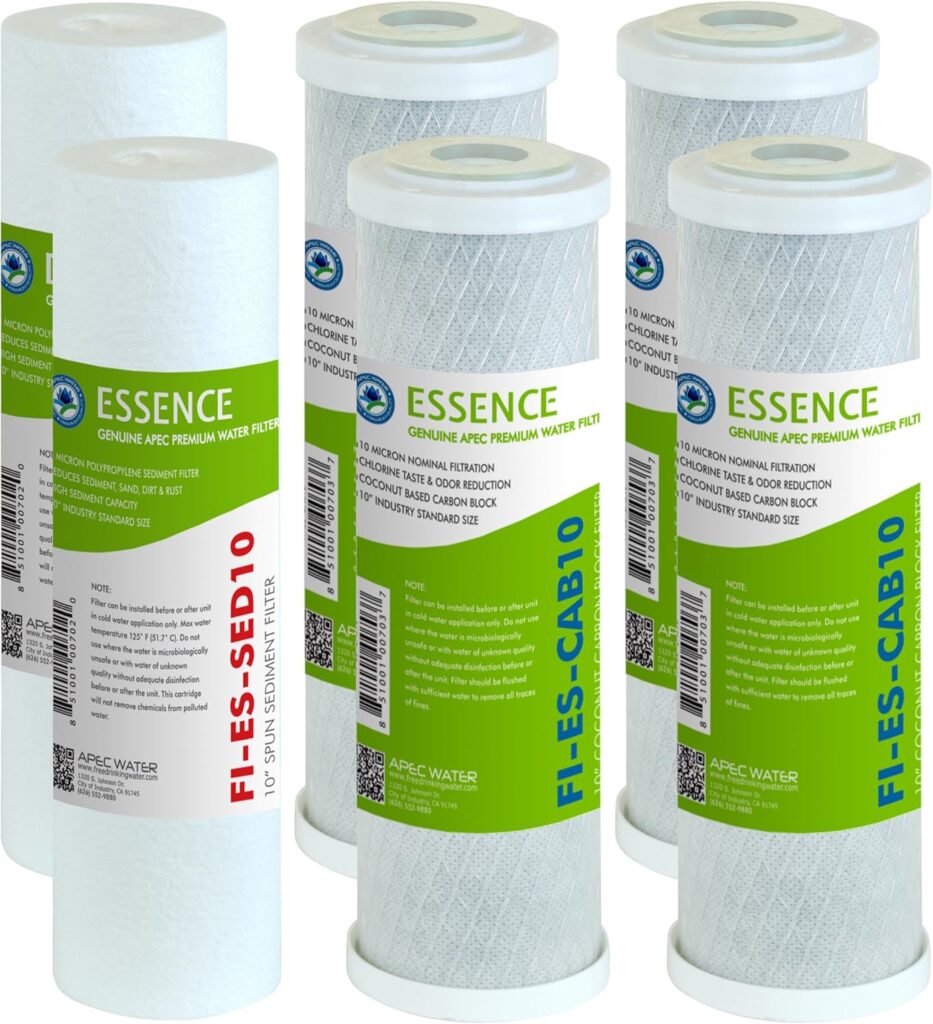
Why it’s #1: Removes up to 99% of lead, fluoride, PFAS, chlorine, and more with 5-stage reverse osmosis.
Flow Rate: 50 GPD (double the average)
Value: Powerful RO filtration at just around $199
Ideal for: Growers and families who want serious contaminant removal for cooking, drinking, and watering plants.
Best Filter Dispenser for Fridges:
Brita UltraMax Water Dispenser
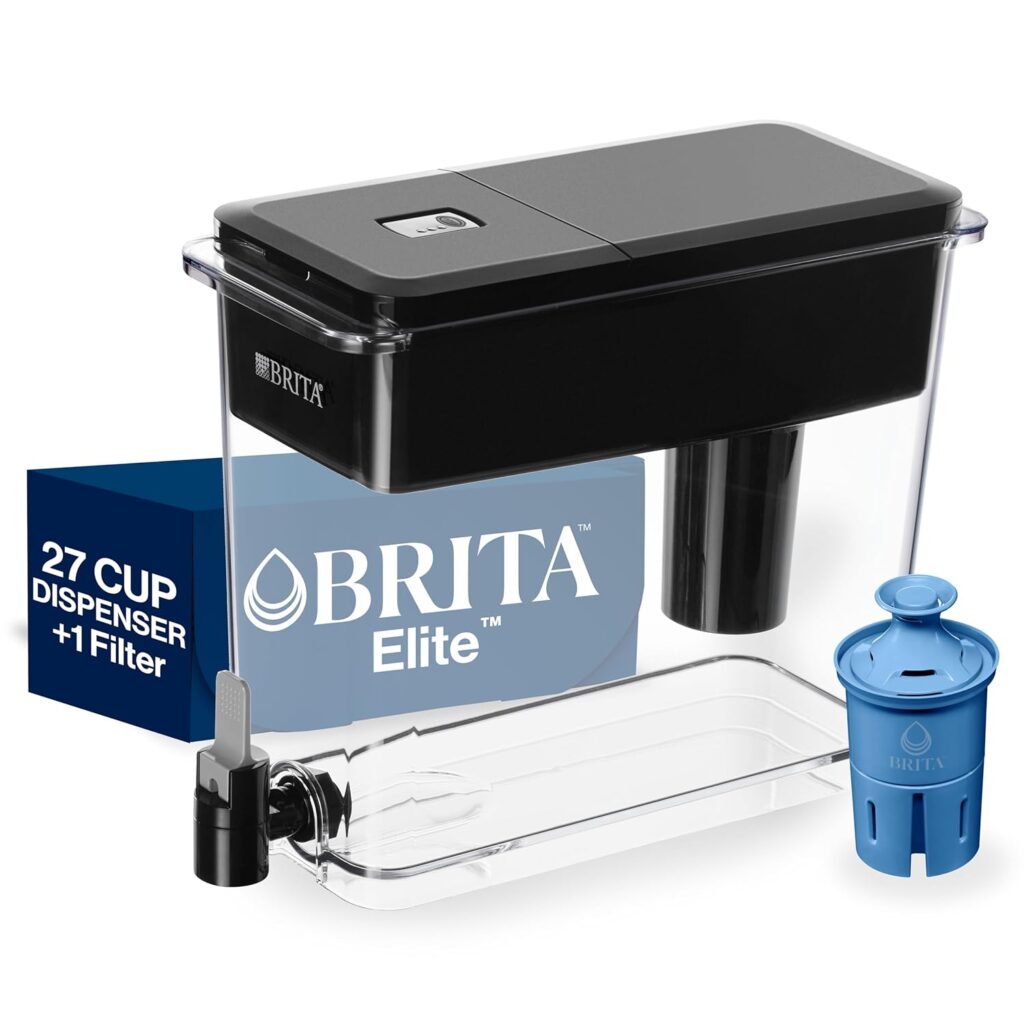
Why it’s great: Filters 27 cups at once, removes 90%+ chlorine and fits neatly in your fridge.
Bonus: Hands-free spigot and Elite filter option for longer-lasting lead/mercury removal.
Ideal for: Apartment growers or busy families needing filtered water with no plumbing required.
Best Portable Filter:
Sawyer MINI Water Filtration System
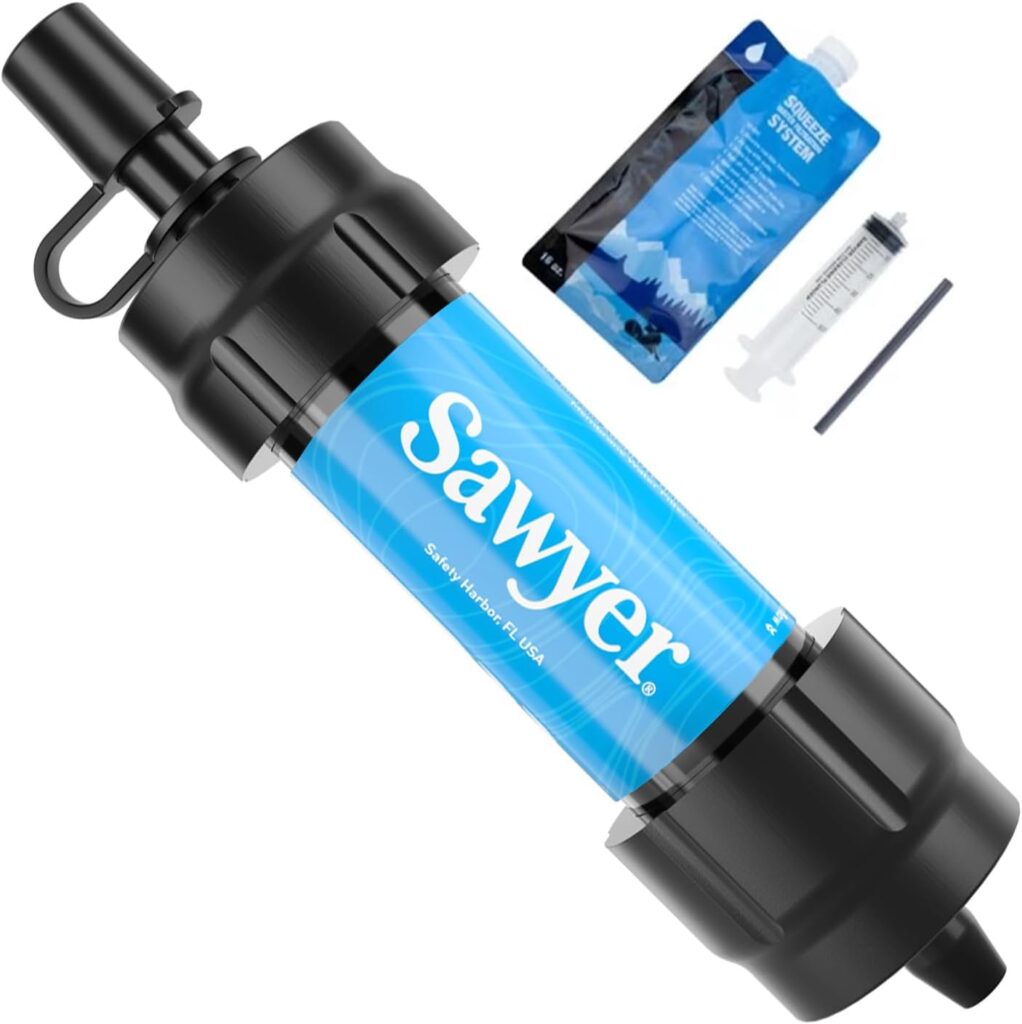
Why it’s amazing: Removes 99.99999% of bacteria and 99.9999% of protozoa.
Filters up to: 100,000 gallons
Weight: Just 2 oz.
Ideal for: Camping, hiking, prepping, or mobile grow setups with uncertain water sources.
What to Look for When Buying a Water Filter System
Choosing the right water purifier starts with a simple step: test your water.
Whether you’re growing cannabis or just want safer drinking water, knowing what’s in your tap determines the system you need.
Certification Standards (Non-Negotiable)
Look for filters certified by NSF, WQA, or IAPMO. These third-party organizations verify performance:
- NSF/ANSI 42 – Cuts chlorine, odors, and taste issues
- NSF/ANSI 53 – Removes lead, PFAS, and asbestos
- NSF/ANSI 401 – Filters out pharmaceuticals
- NSF/ANSI 58 – Specifically for RO systems
Tip: Never trust vague “removes most contaminants” claims without NSF/ANSI proof.
Maintenance & Replacement Costs
Every water system needs upkeep. Here’s what you’re in for:
- Under-sink filters: Replace every 3–6 months
- RO membranes: Replace every 24 months
- Carbon filters: Replace every 1–3 years
Annual cost: $50–$200
Pro install may cost: $300–$600
Keep up with replacements or performance drops fast—especially if you’re using it for feeding sensitive plants.
Filter Technology by Contaminant
Each tech targets different threats:
- Activated Carbon: Great for chlorine, pesticides, solvents
- Reverse Osmosis (RO): Best for heavy metals, nitrates, microplastics
- UV Filtration: Kills bacteria/viruses (ideal for untreated sources)
Top pick: APEC ROES-50 uses all of the above in one powerful under-sink unit.
Best Picks of Water Purifiers for 2025 (Based on Real Testing)
| System | Best For | Link |
| APEC ROES-50 | Full home drinking/cooking protection | Removes 99%+ of harmful contaminants |
| Brita UltraMax | Simple, install-free, budget solution | Improves taste + reduces chlorine |
| Sawyer MINI | Emergency kits + on-the-go use | Kills 99.99999% of bacteria |
Final Word on Water Purifiers
Your best water filter depends on what you’re filtering out—and how much effort you’re willing to put in.
From grow rooms to kitchen taps, clean water equals better health (for people and plants).
Ready to make your water safer? Start with the right filter.