

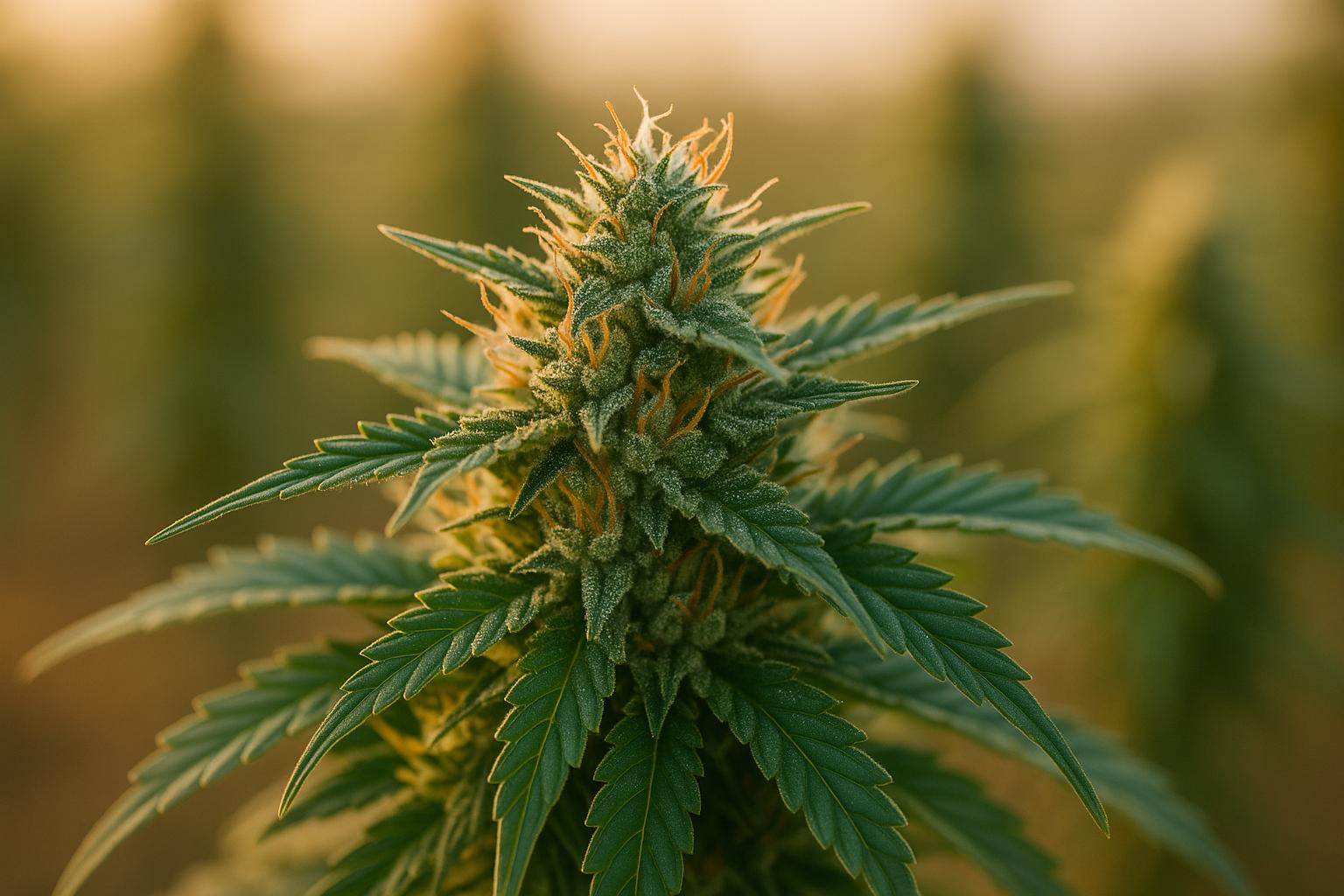
So, you’ve nurtured your cannabis babies from tiny seeds into glorious, resin-covered beauties, and now you’re staring at them wondering, “When to harvest cannabis for the best results?”
It’s like waiting for cookies to bake—take ’em out too early, and you get a gooey mess; wait too long, and they might burn or lose that perfect crunch.
Knowing the optimal harvest timing is both an art and a science if you want top-notch potency, flavor, and buzz.
In this guide, we’ll walk you through the key signs—like trichome inspection and changes in pistil color—to help you decide exactly when to harvest cannabis and get those buds just right.
- Trichomes: Use a magnifier to check the tiny crystal-like structures on buds.
- Clear: Not ready; THC levels are low.
- Milky: Peak potency; ideal time to harvest for maximum THC.
- Amber: THC starts to degrade into CBN, creating a more relaxing effect.
- Pistils: Look at the hair-like structures on buds.
- White: Too early to harvest.
- 70% darkened: Best for peak THC levels.
- 90–100% darkened: More calming effects as THC converts to CBN.
Quick Overview:
- Indoor plants: Ready in 7–9 weeks of flowering.
- Outdoor plants: Typically harvested between September and October.
- Strain matters: Indicas mature faster (7–9 weeks), while Sativas take longer (10–14+ weeks).
Timing your harvest ensures top-quality cannabis. Keep a close eye on trichomes and pistils, and adjust based on your strain and growing setup.
Visual Trichome Evaluation to Determine Peak Harvest Time
How to Tell When to Harvest cannabis

Knowing when to harvest your cannabis plants is all about paying attention to visual clues.
The two most reliable signs are trichome development and pistil color changes. Let’s dive into how these indicators help determine the perfect time to harvest.
Checking Trichomes
Trichomes are tiny, crystal-like structures that hold the highest concentrations of cannabinoids, making them a key factor in assessing potency.
To get a clear view, use a jeweler’s loupe or USB microscope (at least 30x magnification). Focus on the trichomes on the buds, not the leaves, since they mature at different rates.
Here’s what trichome colors mean:
- Clear trichomes: Low THC levels – harvesting now may result in less potent effects, often more psychedelic in nature.
- Milky or white trichomes: Peak potency – this is when most growers choose to harvest for maximum cannabinoid content.
- Amber or golden trichomes: THC starts to degrade into CBN, which produces more sedative, “couch-lock” effects. If you prefer a relaxing experience, aim for a mix of milky and amber trichomes.
Some strains may produce trichomes in unique colors like purple or pink. If you’re growing one of these, check with your seed provider for advice on the best harvest timing for your specific strain.
Pistil Color Changes
Pistils, the hair-like structures on female cannabis flowers, also provide important clues about maturity. When the plant is still developing, the pistils are bright white. As the plant matures, these hairs darken to shades of orange, red, brown, or even purple.
Here’s what to look for:
- White pistils: The plant is still in early development and not ready for harvest.
- 70% darkened pistils: This is the sweet spot for peak THC levels.
- 90–100% darkened pistils: THC has started converting to CBN, resulting in more calming, anti-anxiety effects.
While pistil color gives a general sense of readiness, trichomes provide more precise details about potency and the type of effects you can expect.
Keep in mind that cannabis strains mature at different rates – some may shift from white to dark pistils in just a few days, while others take weeks.
Learning the specific traits of your strain will help you pinpoint the ideal harvest window.
Factors That Affect When to Harvest Cannabis
When it comes to deciding when to harvest cannabis, there’s more to it than just visual signs.
Environmental conditions and genetics play a huge role in determining when your plants are ready.
By understanding these factors, you can fine-tune your approach and hit those potency levels you’re aiming for.
Indoor vs. Outdoor Growing
Your growing environment has a major impact on your harvest schedule.
Indoor cannabis plants typically finish their flowering stage in about 7–9 weeks. With indoor setups, you have the advantage of controlling light cycles, which means you can trigger flowering at will and even manage multiple harvests in a single year.
Outdoor plants, however, follow nature’s rhythm. They’re usually ready for harvest between September and October, though this varies depending on your location and climate.
For instance, warmer climates might speed up the flowering process, while cooler ones can slow it down. Ideally, cannabis thrives in temperatures between 70–80°F (21–27°C).
Indoor growing offers unmatched flexibility, letting you grow year-round, while outdoor cultivation is tied to seasonal changes.
Light deprivation techniques, which involve controlling light exposure to a strict 12-hour light and 12-hour dark cycle, can be used in both setups to encourage earlier flowering and shorten the plant’s life cycle.
As harvest time nears, maintaining the right environment becomes even more critical. Lowering temperatures during the final flowering stages can boost cannabinoid and terpene production.
Meanwhile, keeping humidity levels in check helps protect your plants from any quality issues during this sensitive period.
Different Strain Types
The genetics of your cannabis strain also have a big say in when it’s ready for harvest. Indica strains, for example, tend to have a shorter flowering time, usually wrapping up in about 7–9 weeks.
Some fast-finishing Indica varieties can be ready in as little as 6–8 weeks. Sativa strains, on the other hand, require more patience, often taking 10–14 weeks or even longer to fully mature.
Hybrid strains fall somewhere in the middle, with their harvest timing depending on whether they lean more Indica or Sativa.
For Indica strains, the best time to harvest is when the trichomes – a plant’s resin glands – show a mix of milky and amber colors.
This timing enhances their naturally calming and sedative effects. Sativa strains, however, are best harvested when most trichomes are cloudy with only a few amber ones.
This preserves their energetic and uplifting effects. It’s worth noting that Sativa varieties can overripen if left too long, so keeping a close eye on them is essential.
| Strain Type | Flowering Time | Ideal Trichome Color | Effects |
|---|---|---|---|
| Indica | 7–9 weeks | Milky to amber mix | Relaxing, calming |
| Sativa | 10–14+ weeks | Mostly milky | Uplifting, energetic |
| Hybrid | 8–12 weeks | Varies by dominance | Balanced effects |
Knowing your strain’s genetics can help you set realistic expectations and plan your harvest schedule effectively.
If you’re working with seeds from a trusted source like Seed Connect, their grower support team can provide specific advice on the best harvest timing for your chosen strain, ensuring you get the most out of your crop.
sbb-itb-5407682
How to Harvest Cannabis Step by Step
Once you’ve determined that your cannabis plants are ready for harvest – using trichome and pistil cues as your guide – the next steps are all about careful handling.
How you harvest, trim, dry, and cure your crop can make or break the final quality of your buds.
Harvesting in Stages
Cannabis plants don’t mature evenly, so harvesting in stages can help you get the most out of your crop.
The top colas, which get the most light, usually ripen first, while the lower branches may take a bit longer to reach their peak.
Start by cutting the main colas when the trichomes show the ideal color for your strain. Use sterilized pruning shears to make clean cuts, leaving the lower branches intact.
This gives the lower buds another 7–10 days under the grow lights to fully mature.
For outdoor growers, this method is especially effective.
Sunlight doesn’t penetrate the canopy evenly, so the tops might be ready in early October, while the shaded lower branches could take until mid-October to develop fully.
Before you begin, make sure you have the right tools: sharp pruning shears, trimming scissors, nitrile gloves (more durable than latex), drying racks or lines, and cleaning supplies. Always sterilize your tools before and after use to avoid contamination.
Once the main colas are harvested, move on to trimming and drying to preserve the quality of your buds.
Trimming and Drying
Deciding between wet trimming and dry trimming is an important step, as each method affects the final product differently.
- Wet Trimming: This involves removing leaves and stems right after harvest while the plant material is fresh. It’s quicker and reduces the risk of mold, but the faster drying process can sometimes result in a harsher smoke.
- Dry Trimming: This method is done after the cannabis has dried for several days. It takes more time and requires careful monitoring for mold, but it helps protect the trichomes, resulting in better flavor and potency.
At harvest, cannabis flowers are about 80% water and lose up to 75% of their weight during drying.
To ensure the best results, dry your cannabis in a dark, well-ventilated space with temperatures between 60–70°F (15–21°C) and relative humidity levels of 45–55%.
Check your buds daily using the “snap test.” When smaller stems snap cleanly instead of bending, your cannabis is ready for curing. Drying typically takes 7–14 days, depending on your environment and the density of the buds.
| Trimming Method | Pros | Cons | Best For |
|---|---|---|---|
| Wet Trimming | Faster and easier, reduces mold risk | Can lead to harsher smoke | High humidity areas or when time is limited |
| Dry Trimming | Better preserves trichomes, enhances flavor and potency | Slower, requires more effort | Controlled environments for premium quality |
Once your buds are dried, you’re ready to move on to curing, the final step in achieving top-tier cannabis.
Curing for Better Potency and Flavor
Curing is where the real transformation happens. This stage allows your cannabis to develop its full potency and flavor by controlling moisture loss and encouraging chemical changes. During curing, chlorophyll breaks down, harsh flavors fade, and terpenes – the compounds responsible for aroma and effects – fully develop.
“Proper drying and curing transform your carefully grown plants into the potent, flavorful buds you envisioned when you first planted those seeds.”
– Steven Voser, Freelance Cannabis Journalist, Royal Queen Seeds
To start, place your trimmed buds in airtight glass jars, filling them about 75% full to allow for airflow. Store the jars in a cool, dark place between 60–70°F (15–21°C), and aim to maintain a humidity level of 55–62% inside the jars.
For the first two weeks, “burp” the jars twice daily. This means opening them to release excess moisture and let in fresh air, which helps prevent mold and promotes the chemical processes that enhance flavor and potency.
If humidity rises above 65%, leave the lids off briefly to let the buds dry out before resealing. Watch for any ammonia-like odors, as this signals excess moisture and requires immediate attention.
The curing process takes time, with results improving the longer you wait. A 2–4 week cure will produce buds with a decent aroma and smoothness, while curing for 3–6 months can significantly improve flavor and potency.
For those with patience, extended curing of six months or more allows terpenes and cannabinoids to reach their peak, resulting in a premium product.
During this time, moisture redistributes evenly throughout the buds, creating a smoother smoking experience. If your environment is prone to fluctuations, consider using humidity packs to maintain stable conditions.
Properly cured and stored cannabis can retain its quality and potency for up to two years, ensuring a long-lasting supply of high-quality buds.
Getting the Timing Right is Everything
Harvesting cannabis at its peak is all about timing and careful observation. Those final days, when trichomes transition from clear to cloudy and pistils shift from white to amber, can mean the difference between average buds and top-tier cannabis.
To recap, your plant’s visual cues are the best indicators for harvest readiness. Look for trichomes that have turned mostly cloudy, with some amber.
At the same time, check that 70–90% of the pistils have darkened and curled in. Buds should also feel firm and sticky to the touch – this is your harvest window.
“The harvesting period, followed by the drying and curing stage, is so crucial and unfortunately, is where a lot of mistakes are made. This is where good work can be ruined, so the utmost care needs to be taken throughout.” – Evan Marder, Cannabis Community College Professor of Cultivation and the President of Fleur Brands
Consistency is key. Use tools like a magnifying glass or microscope to examine trichomes across different parts of the plant since not all areas mature at the same rate.
Keeping detailed notes on your observations can also help refine your process for future grows.
Don’t forget that your growing environment matters. Indoor growers have the advantage of controlling conditions, while outdoor growers need to work around natural light and weather.
Understanding the specific traits of your strain – whether it’s indica, sativa, or a hybrid – will help you fine-tune your timing, as each type has its own flowering period and visual markers.
Harvesting at just the right moment pays off in the long run. Perfectly timed harvests lead to better drying and curing results, capturing the peak cannabinoid levels and terpene profiles. This ensures the potency, flavor, and overall quality you’ve been working so hard to achieve.
FAQs
How do environmental factors impact the when to harvest cannabis, and how can growers optimize them?
Environmental Factors and Harvest Timing
Environmental conditions are a big deal when it comes to deciding when to harvest cannabis.
Key factors like light cycles, temperature, and humidity have a direct impact on the plant’s growth and the quality of its buds.
For example, cannabis plants need a 12-hour light and dark cycle to transition into and stay in the flowering stage.
As the flowering phase nears its end, cooler temperatures can help enhance the production of cannabinoids and terpenes.
At the same time, keeping humidity levels between 50% and 65% is essential to avoid mold and mildew, which can ruin your harvest.
To get the most out of your plants, it’s important to keep a close eye on these environmental factors.
Aim for temperatures in the range of 68°F to 85°F, provide good air circulation, and adjust humidity as needed.
By managing these elements carefully, you can protect your crop and ensure the buds are potent and ready for a successful harvest.
How do harvesting techniques differ for Indica, Sativa, and Hybrid cannabis strains, and how does this affect the final product?
Harvesting methods differ for Indica, Sativa, and Hybrid cannabis strains because their growth cycles and flowering times vary.
Indica strains are quicker to flower, often ready for harvest in about 8 weeks. Sativa strains, on the other hand, take their time – sometimes 10–12 weeks or even longer.
Hybrids sit somewhere in the middle, with their timing influenced by their genetic makeup. These differences mean growers need to adapt their techniques.
For example, Indica plants might benefit from extra attention to flushing for better flavor, while Sativa strains require patience to reach their full potency.
When it comes to harvest timing, precision is crucial. If you harvest too early, you risk losing potency and ending up with underdeveloped terpenes.
Wait too long, and cannabinoids can start to break down. The secret to getting it just right? Keep an eye on the trichomes – those tiny resin glands on the buds.
Trichomes that are clear mean the plant isn’t ready yet, milky trichomes indicate peak potency, and amber ones hint at a more relaxing, sedative effect.
By reading these cues carefully, you can ensure your harvest delivers the perfect balance of potency, flavor, and aroma.
What’s the best way to dry and cure cannabis to maintain its potency and flavor after harvesting?
To maintain the strength and taste of cannabis after harvesting, it’s crucial to use proper drying and curing methods.
During the drying phase, the environment needs to be carefully controlled, with temperatures set between 60–70°F and humidity levels kept around 45–55%.
This gradual process, which usually takes 7–14 days, helps preserve the cannabinoids and terpenes while keeping mold at bay.
After drying, the curing process begins.
This involves storing the buds in airtight containers, which allows moisture to distribute evenly throughout. Curing typically takes anywhere from 2–8 weeks and improves flavor by breaking down chlorophyll.
For the best results, maintain humidity levels between 55–65% during curing to safeguard terpenes and produce a smooth, high-quality product.