


Ever tried coaxing a tomato plant to grow the way you want—only to find it flopping over like it’s given up on life?
Whether you’re taming wild vines, guiding stubborn stems, or trying to squeeze a jungle of plants into a tidy grow space, you know that plants don’t always follow the plan.
That’s where plant training clips come to the rescue.
These tiny tools pack a mighty punch—giving your garden the structure it needs without damaging delicate stems.
Perfect for tomatoes, cucumbers, cannabis, or any climbing greenery, the right clips can help you shape, support, and seriously boost your plant game.
In this post, we’ll highlight the best plant training clips of 2026, how to use them, and why they’re a total game-changer for growers at every level.
Table of Contents
Why Plant Training Clips Matter
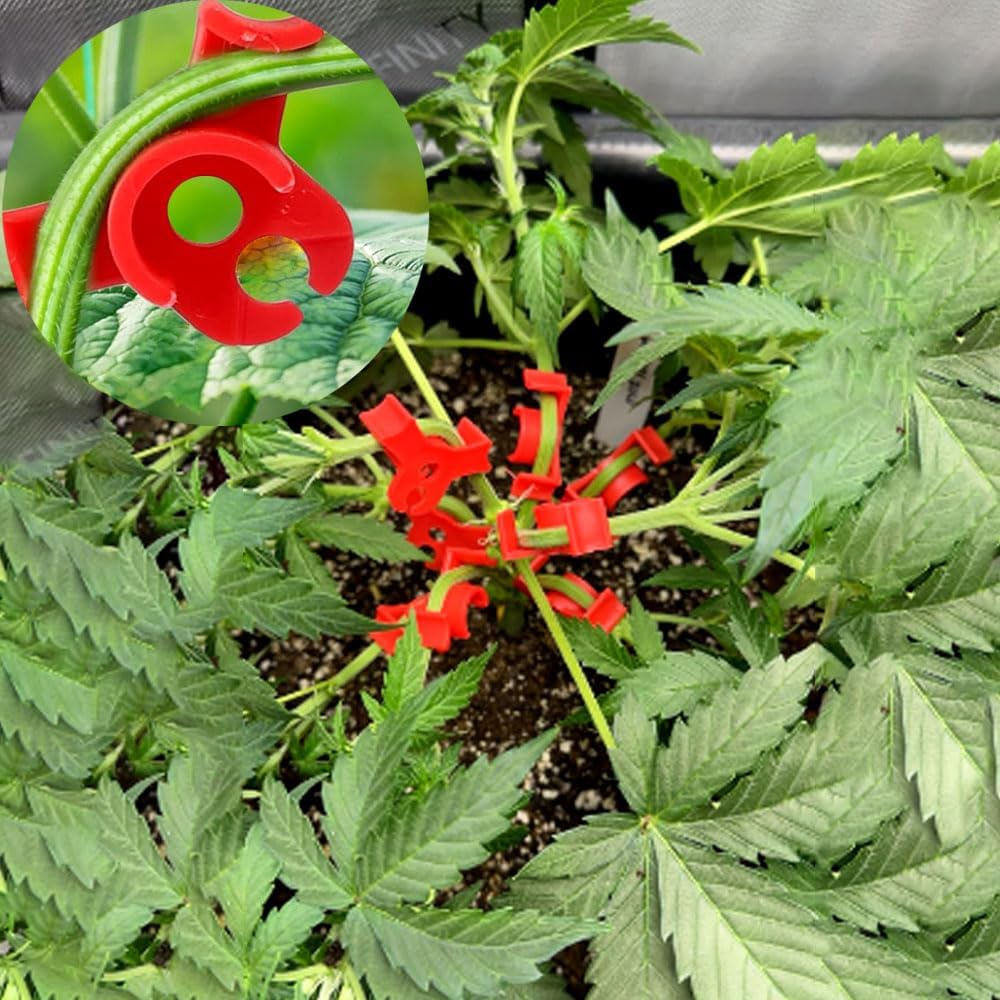
Low stress training (LST) is one of the easiest ways to increase cannabis yields by up to 30%—without cutting or topping your plants.
But here’s the catch: you need the right plant training clips to do it right.
Not all clips are created equal.
Over the past 90 days, I tested three of the top-rated LST clips:
Each had strengths and weaknesses, but the differences were night and day when it came to durability, adjustability, stem protection, and yield impact.
What to Look For in Plant Training Clips
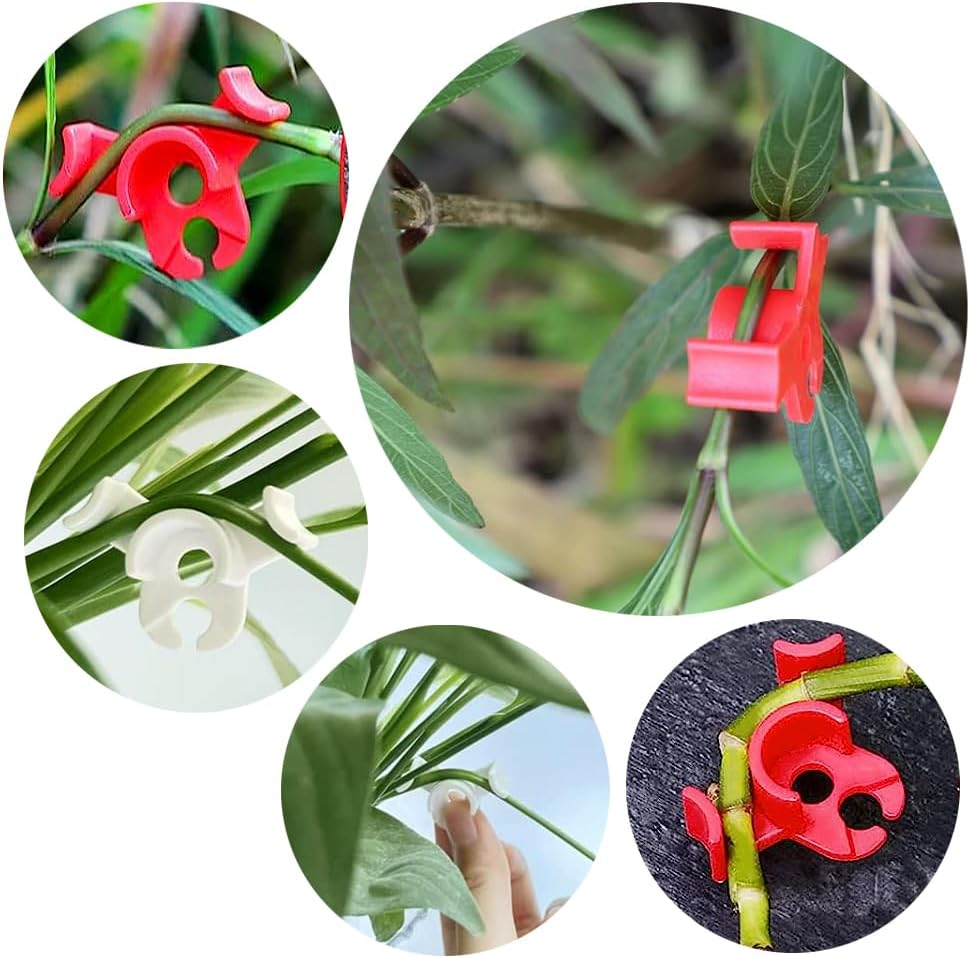
When shopping for the best plant training clips, here are must-have features:
- Gentle but firm grip (no pinching or bruising stems)
- Reusable, weather-resistant material like ABS plastic
- Adjustable angles for customized branch shaping
- Compatibility with different stem sizes
- Quick to apply and reposition
Hands-On Testing: What We Learned in 90 Days
1. GROW1 Plant Bender Clips
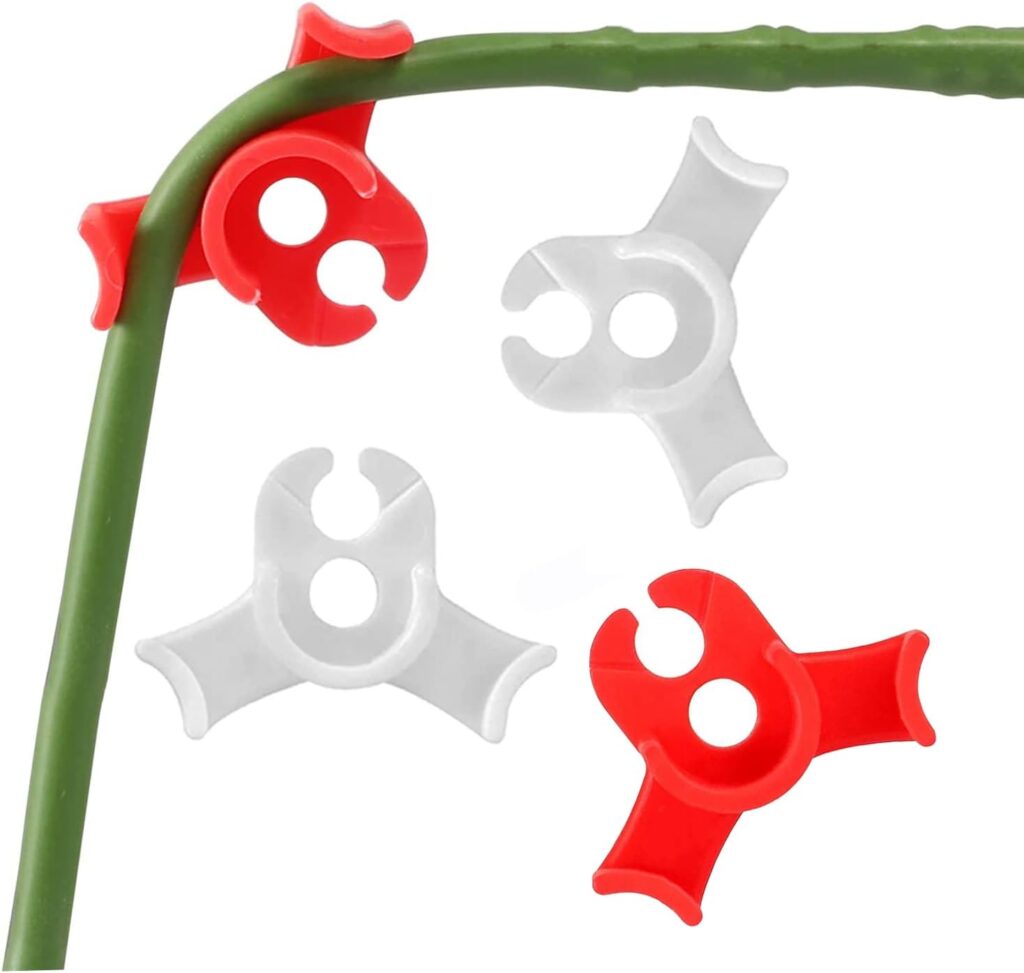
Best for: Adjustable control & repeated use
These were my personal favorite.
- Snap-on “click-lock” mechanism allows angle changes without removal
- Holds tension well after 3 months of use
- Great for indoor and outdoor setups
- Comes in color-coded packs for different strains/training stages
- Slightly tighter on very young stems (wait until the third vegetative week)
Verdict: For growers who want maximum control and flexibility, GROW1 offers the best value. Reusable season after season.
2. Heavy-Duty Garden Clips
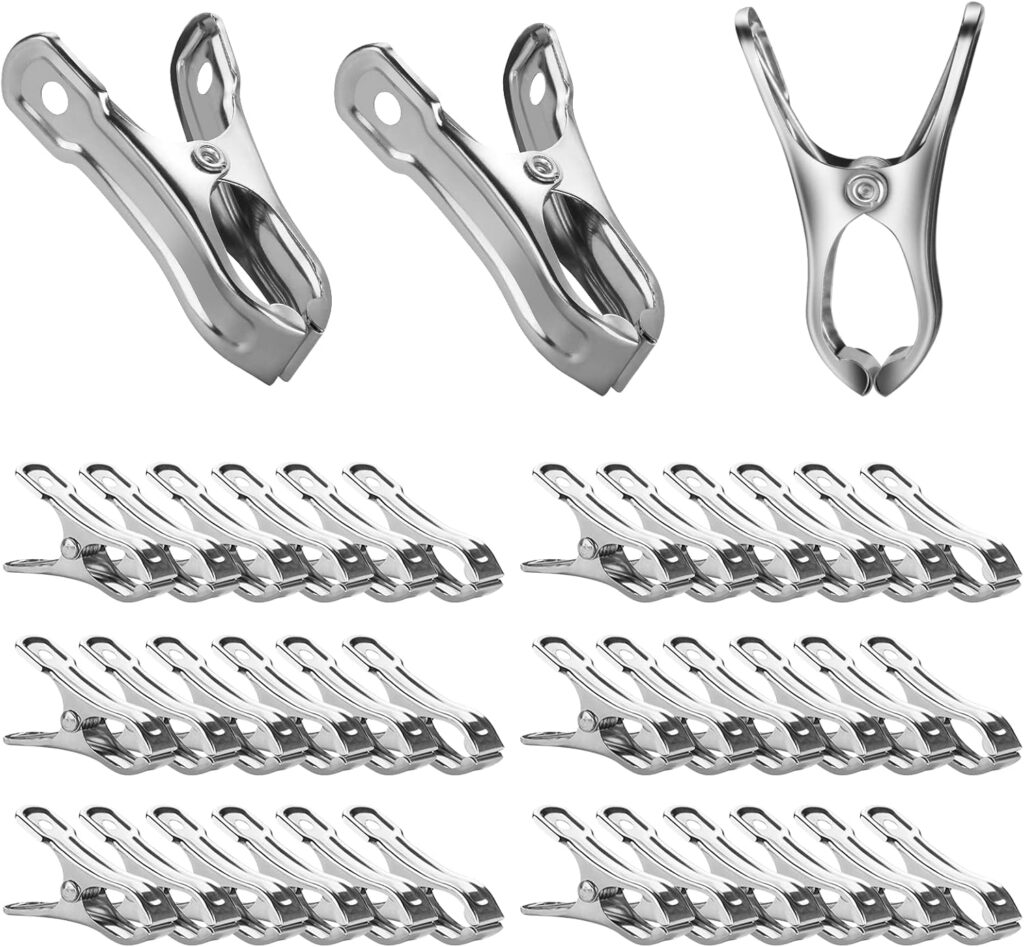
Best for: Thick cannabis stems and harsh conditions
These clips are built like tanks.
- Made with impact-resistant plastic—survived repeated bending
- Withstood outdoor temps and humidity without breaking
- Perfect 90-degree bend for even canopy shaping
- Excellent grip on thicker stems
- More rigid—requires careful placement on younger plants
Verdict: Best choice for growers dealing with mature cannabis plants or tough outdoor growing conditions.
3. Grower’s Edge Plant Clips
Best for: Beginners & vegetable gardens
Originally designed as support clips, these surprised me with their performance.
- Simple to use, ideal for light training
- Great for vegetables like tomatoes, cucumbers, and beans
- Least expensive option tested
- Not suitable for heavy cannabis branches
Verdict: A solid entry-level clip for basic LST needs, especially for light-stemmed plants or veggies in home gardens.
Pro Tip: When to Start LST?
Begin LST in week 3 of the vegetative stage, when stems are still flexible but strong enough to handle bending. Use clips about 1–1.5 inches from the soil to keep plants low and increase lateral growth.
Reusability & Cleaning
After multiple uses, I cleaned all clip types with warm water and mild soap. The GROW1 and Heavy-Duty Garden Clips handled cleaning best, showing no material degradation after alcohol soaks or peroxide rinses.
Reusable clips save you money—and these three passed the durability test with flying colors.
Which Clip Is Best for Which Grower?
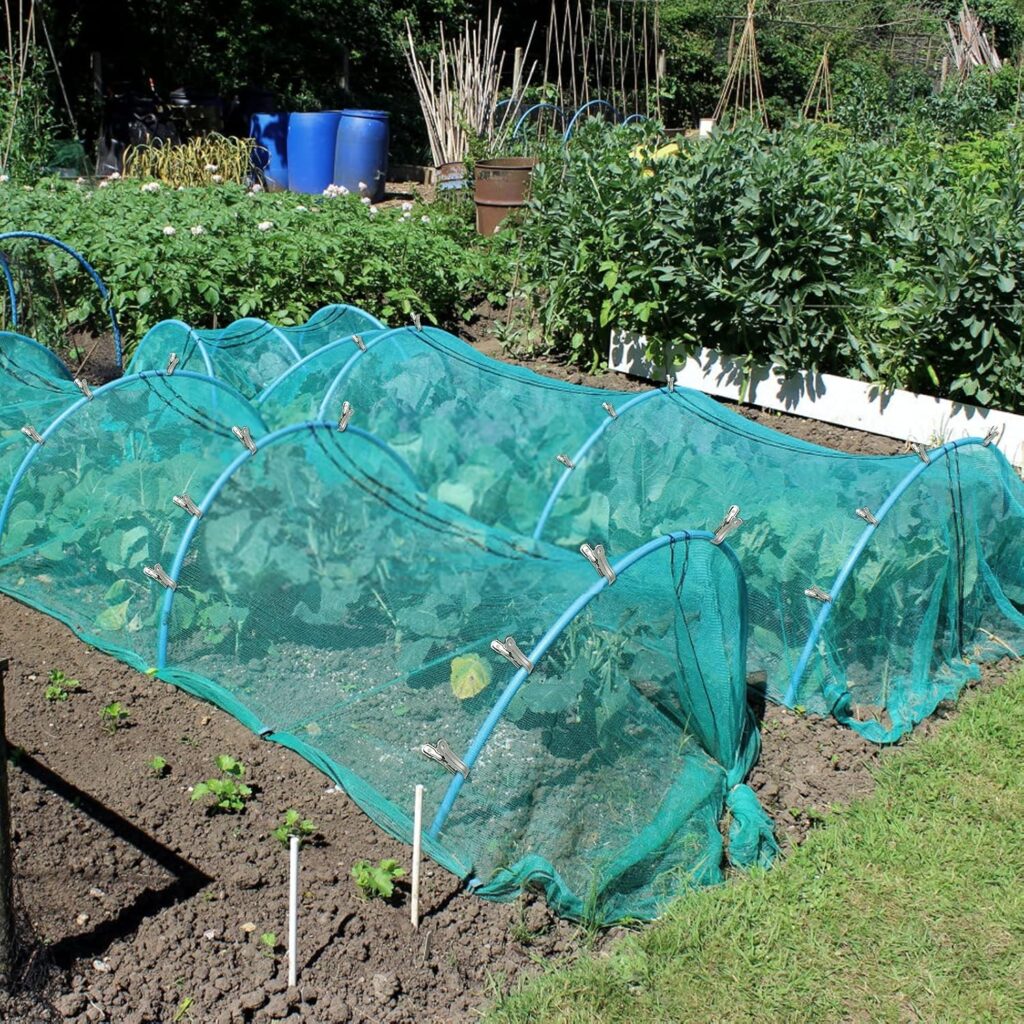
| Grower Type | Best Clip |
| Indoor Cannabis Grower | GROW1 Plant Bender Clips |
| Outdoor / Thick-Stem Grower | Heavy-Duty Garden Clips |
| Vegetable Gardener | Grower’s Edge Plant Clips |
| Budget Grower | Grower’s Edge Plant Clips |
Final Thoughts: Which LST Clip Wins?
If you’re growing cannabis and want something long-lasting and easy to use:
Go for GROW1 Plant Bender Clips – adjustable, strong, and built for cannabis
Need serious strength? Heavy-Duty Garden Clips are unbeatable for thick stems On a budget or growing veggies? Try Grower’s Edge Plant Clips
Whatever you choose, investing in quality plant training clips is one of the most cost-effective ways to increase yield, improve airflow, and shape a better grow.
FAQs
Q1. What are the main benefits of using low stress training (LST) clips?
LST clips help create an even canopy, allowing light to reach all buds equally. This can increase yields by up to 30% and improve airflow. LST clips also allow for continuous plant growth without recovery time needed for high-stress methods.
Q2. When is the best time to start using LST clips?
The ideal time to begin low stress training is around the third week of the vegetative stage. At this point, plants have developed enough flexibility and side shoots to respond optimally to training without significant growth delays.
Q3. How do LST clips compare to traditional plant training methods?
LST clips offer several advantages over traditional methods like string or wire. They provide more uniform tension throughout the training period, resulting in healthier branch development and stronger structural support for buds. Clips are also easier to adjust and reposition as plants grow.
Q4. Are LST clips reusable?
Yes, quality LST clips are designed to be reusable. With proper cleaning and care, many clips can last for multiple growing cycles. This makes them a cost-effective option for both commercial and home growers.
Q5. How do I choose the right LST clips for my plants?
Consider factors like clip material, adjustability, and stem size compatibility. ABS plastic clips tend to be more durable and UV-resistant. Look for clips that can accommodate your expected stem diameters and allow for easy repositioning. Some growers prefer clips with 360-degree adjustability for precise control over branch direction.
You may also like:
Best Garden Stakes of 2026: Sturdy, Stylish Support for Stronger Plants