

Choosing the right grow lights for weed is one of the biggest decisions in an indoor setup. For most home growers today, a quality full-spectrum LED is the easiest place to start because it combines strong light output, good efficiency, lower heat, and simple coverage for both vegetative growth and flowering.
But the fixture itself is only half the job. You also need the right light intensity, hanging height, coverage, and schedule for your plants.
If you are setting up a grow room from scratch, this guide will help you choose the right light, size it to your space, position it correctly, and avoid the most common lighting mistakes.
Key Takeaway
- Full-spectrum LEDs are the best all-round choice for most indoor growers. They are efficient, produce less excess heat than older HID systems, and can support both vegetative and flowering growth.
- PPFD and canopy coverage matter more than lumens. Cannabis responds to photosynthetically active light, not brightness as perceived by the human eye.
- A good light can still perform badly if it is too close, too far away, or poorly matched to the grow area. Always balance fixture output with distance, temperature, and plant response.
Table of Contents
What Is the Best Grow Light for Weed?
For most indoor growers, the best overall choice is a full-spectrum LED grow light sized correctly for the plant canopy.
Modern LEDs have several advantages:
- high electrical efficiency
- lower heat load than HPS systems
- long service life
- adjustable intensity on many fixtures
- broad spectrum suitable for veg and flower
- easier climate control in tents and small rooms
The Seed Connect’s indoor cannabis growing guide also treats LED as the modern default for home growers because of efficiency, heat control, and full-cycle usability.
That does not mean HPS or CMH cannot grow good cannabis. They can. But for most new indoor setups, LEDs are usually the simpler and more efficient option.
LED vs. HPS vs. CMH vs. CFL
LED Grow Lights
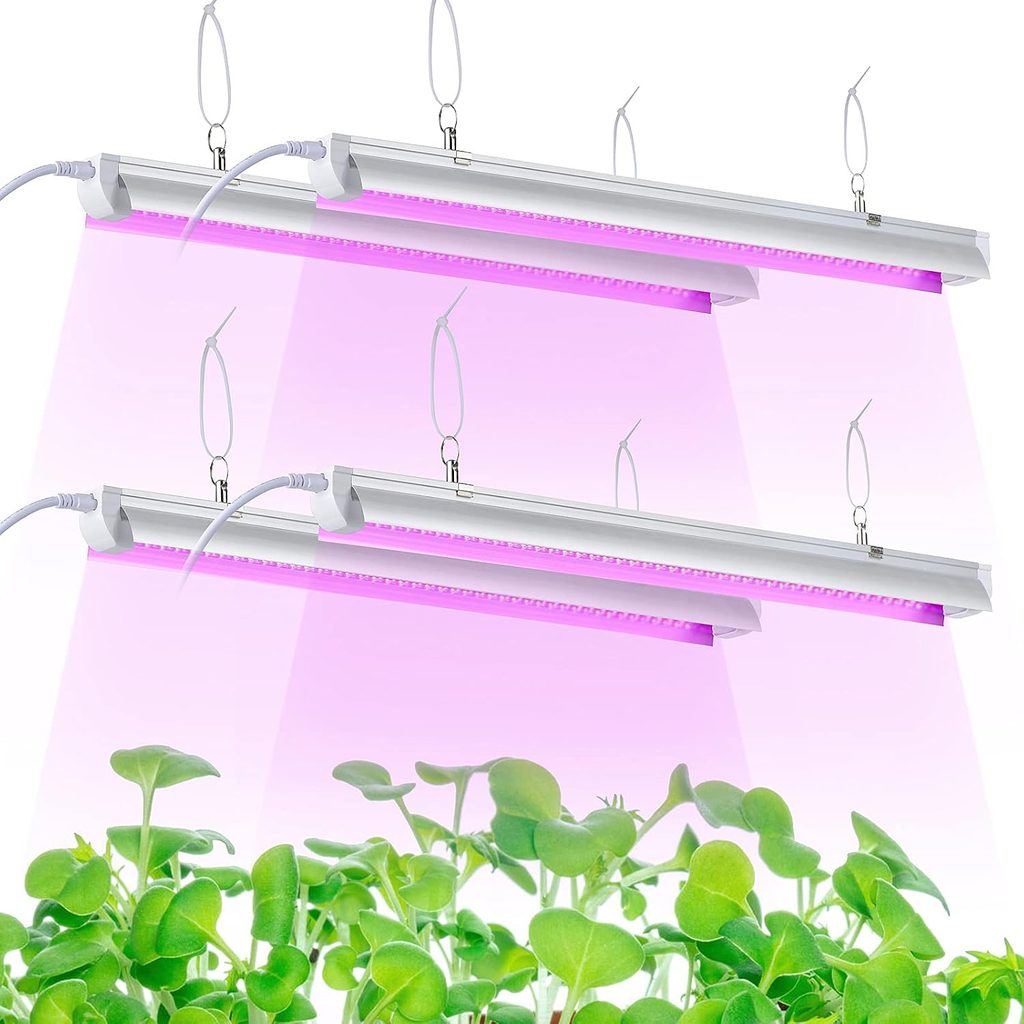
LEDs are the strongest all-round option for most indoor growers.
They typically use less electricity than older HID fixtures for a similar usable light output and create less radiant heat at canopy level.
Best for:
- grow tents
- bedrooms or spare rooms
- growers concerned about power use
- full-cycle growing
- areas where cooling capacity is limited
A good LED fixture should provide an even footprint across your actual plant canopy, not just a high output number at the center.
HPS Grow Lights
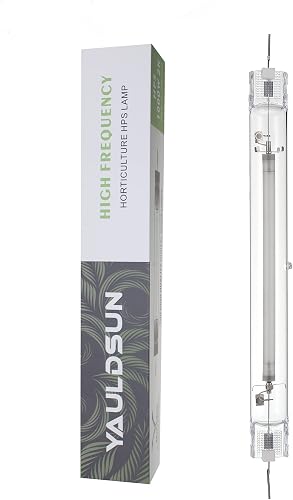
High-pressure sodium lights were once the standard for flowering cannabis.
They still produce strong light intensity, but they also generate considerable heat and usually require more ventilation or air conditioning.
Best for:
- larger rooms with strong ventilation
- growers who already own HID equipment
- setups where heat management is not a major concern
The downside is electrical efficiency and heat management compared with modern LEDs.
CMH Grow Lights
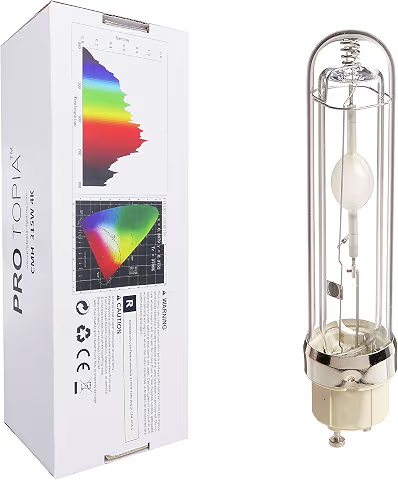
Ceramic metal halide systems provide a broad spectrum and have been popular with growers who want an alternative to HPS.
They can produce good plant growth but are generally less efficient than premium LEDs.
Best for:
- growers already familiar with HID systems
- medium-sized rooms
- supplemental applications
CFL Grow Lights
Compact fluorescent lights are low-intensity compared with modern LEDs or HID fixtures.
They can work for:
- seedlings
- clones
- very small vegetative spaces
But they are rarely the best primary lighting choice for flowering cannabis because light intensity falls off quickly.
How Much Grow Light Do You Need?
The right amount of light depends on your canopy size, not simply the dimensions of the room.
If your room is 5×5 feet but your plants only occupy a 4×4 canopy, you need to light the 4×4 plant area effectively.
The Seed Connect’s own indoor guide gives a rough planning range of about 30–40 watts of actual LED draw per square foot for many home setups.
That can be useful for initial sizing, but wattage alone is not the best way to judge a fixture.
A more useful metric is PPFD.
PPFD Explained Simply
PPFD stands for photosynthetic photon flux density.
It measures how many usable light photons reach a square meter of canopy each second.
Why does that matter?
Because cannabis plants use light for photosynthesis, and the amount reaching the leaves influences how much energy the plant has available for growth.
Research on indoor cannabis has shown that increasing light intensity can increase flower yield within useful ranges, although the response depends on genetics and environmental conditions. That means “more light” can help, but only if temperature, water, nutrition, and other factors are also under control.
Instead of relying on lumens, which are based on human vision, growers should focus on plant-relevant measurements such as PPFD when possible.
Practical PPFD Targets by Growth Stage
These ranges are practical starting points, not universal rules:
| Growth Stage | Approx. PPFD |
|---|---|
| Seedlings / Clones | 100–300 µmol/m²/s |
| Vegetative | 300–600 µmol/m²/s |
| Flowering | 600–900 µmol/m²/s |
Some advanced growers operate above these ranges with tightly controlled environments and supplemental CO₂, but more intensity is not automatically better.
Watch how the plant responds.
How Far Should Grow Lights Be From Cannabis?
There is no single correct hanging height for every grow light.
Distance depends on:
- fixture power
- lens or diode design
- dimmer setting
- canopy size
- growth stage
- room temperature
- plant response
As a general starting point:
- seedlings: often farther away or dimmed
- vegetative plants: moderate distance
- flowering plants: closer or higher intensity, if the fixture supports it
Instead of blindly following a fixed number, use the manufacturer’s PPFD map and recommended hanging height.
Then watch the plant.
Signs the light may be too close
- bleaching at the top of the canopy
- upward-curling leaf edges
- pale upper growth
- heat stress
- leaves becoming unusually rigid or stressed near the fixture
Signs the light may be too far away
- stretching
- thin stems
- large internode spacing
- slow growth
- plants leaning toward the light
If you are growing in a small tent, The Seed Connect’s indoor growing guide is also useful for planning canopy height, ventilation, and light clearance.
Best Light Schedule for Cannabis
Light schedule depends mainly on whether you are growing photoperiod or autoflowering cannabis.
Vegetative Stage
A common schedule for photoperiod plants is:
18 hours light / 6 hours dark
This provides a long day for vegetative growth while maintaining a regular dark period.
Flowering Stage
Photoperiod cannabis is typically moved to:
12 hours light / 12 hours uninterrupted darkness
That longer dark period triggers flowering.
The Seed Connect’s guide to cannabis photoperiods explains how day length influences flowering and why uninterrupted darkness matters for photoperiod cultivars.
You do not need to “gradually” transition from 18/6 to 12/12. A direct schedule change is standard practice for photoperiod cannabis.
Autoflower Light Schedule
Autoflowers do not require a 12/12 switch to begin flowering.
Common schedules include:
- 18/6
- 20/4
The Seed Connect’s autoflower growing guide discusses both schedules and emphasizes that light intensity matters as much as total hours.
Does Light Spectrum Matter?
Yes, but it is easy to overcomplicate.
Cannabis uses a broad range of visible light for photosynthesis.
In practical terms:
- more blue-rich light can encourage compact vegetative growth
- red-rich light is useful during flowering
- full-spectrum fixtures simplify the process by providing a broad output throughout the crop cycle
For most home growers, there is no need to swap lights between veg and flower if using a well-designed full-spectrum LED.
How to Position Grow Lights Evenly
A common mistake is focusing only on the center of the canopy.
Many fixtures have strong intensity directly underneath but much weaker light at the edges.
To improve coverage:
- center the fixture over the actual plant canopy
- keep plants at similar heights
- use adjustable hangers
- check the manufacturer’s PPFD footprint
- avoid pushing plants far outside the light’s rated coverage area
For larger spaces, two smaller fixtures may sometimes produce more even coverage than one extremely powerful light.
Heat Management Around Grow Lights
Lighting affects more than brightness.
Every grow light adds heat to the room.
LEDs generally produce less problematic radiant heat than HPS systems, but they still warm the space.
Monitor:
- room temperature
- canopy temperature
- exhaust airflow
- intake air
- humidity
If heat builds up, consider:
- increasing exhaust capacity
- running lights during cooler parts of the day
- dimming excessive light
- raising the fixture
- improving room ventilation
For more detail, see The Seed Connect’s guide to best cannabis temperature.
Final Thoughts
The best grow lights for weed are not simply the brightest fixtures you can afford.
For most indoor growers, a properly sized full-spectrum LED with good canopy coverage, adjustable intensity, and a clear PPFD map is the smartest starting point.
Then focus on the fundamentals:
- match light output to the canopy
- use the correct schedule
- monitor plant response
- control heat
- adjust hanging height as plants grow
A well-designed lighting setup should give your plants enough usable light without creating unnecessary heat or stress.
That balance matters more than chasing extreme wattage or marketing claims.